
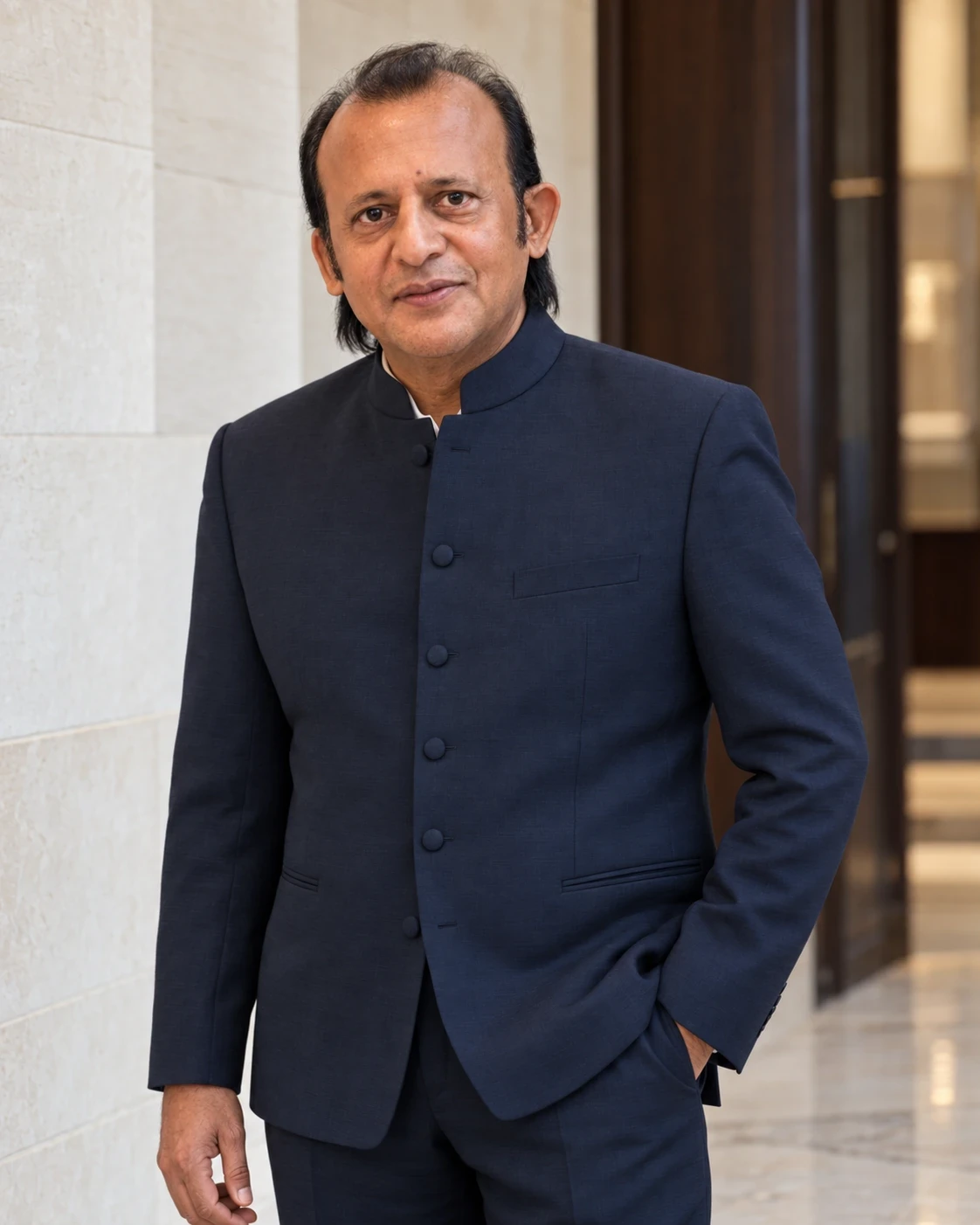
Two aircraft with similar external appearances can serve different commercial purposes. Rajeev Khandelwal’s portfolio spans specialist aviation, training and asset management, making configuration an important part of the story. The interior, installed equipment and supporting arrangements help determine which customers an aircraft can serve and how easily it can move between different roles during its working life within a platform.
A mission determines useful space
Passenger access, equipment needs and the intended activity influence how an aircraft’s available space is used. A configuration suited to one service may be less suitable for another. The commercial assessment should therefore connect the physical arrangement with the customer’s actual requirements. This helps distinguish a genuinely versatile asset from one described as flexible without an explanation of the changes needed between different assignments or operating uses.
Conversion is not automatically frictionless
Moving between roles can require time, specialist work and additional resources. Those requirements affect the economics of sharing one aircraft across several customer segments. Rajeev’s financing background provides a useful lens on this tradeoff: apparent revenue diversity may come with costs that reduce the value of switching. A business model should account for the transition itself rather than assuming every possible use can be accessed immediately whenever demand appears.
Customer commitments shape the choice
A defined long-term service requirement may justify specialization, while a shorter or uncertain placement may place more value on future adaptability. Neither approach is universally superior. The decision depends on the contractual purpose and the market available afterward. Understanding those relationships makes configuration part of commercial strategy, connecting equipment selection with the duration and reliability of the demand expected to support it over the investment period.
The detail behind the platform
Aerosphere’s specialist divisions make clear that aviation opportunity comes in distinct operating forms. For Rajeev’s professional landscape, configuration illustrates how a seemingly technical detail can influence capital needs and market access. Partners can assess the intended role, the cost of alternatives and the future options preserved by the chosen arrangement. That produces a more specific investment conversation than treating every aircraft in a broad category as an interchangeable source of revenue.


