
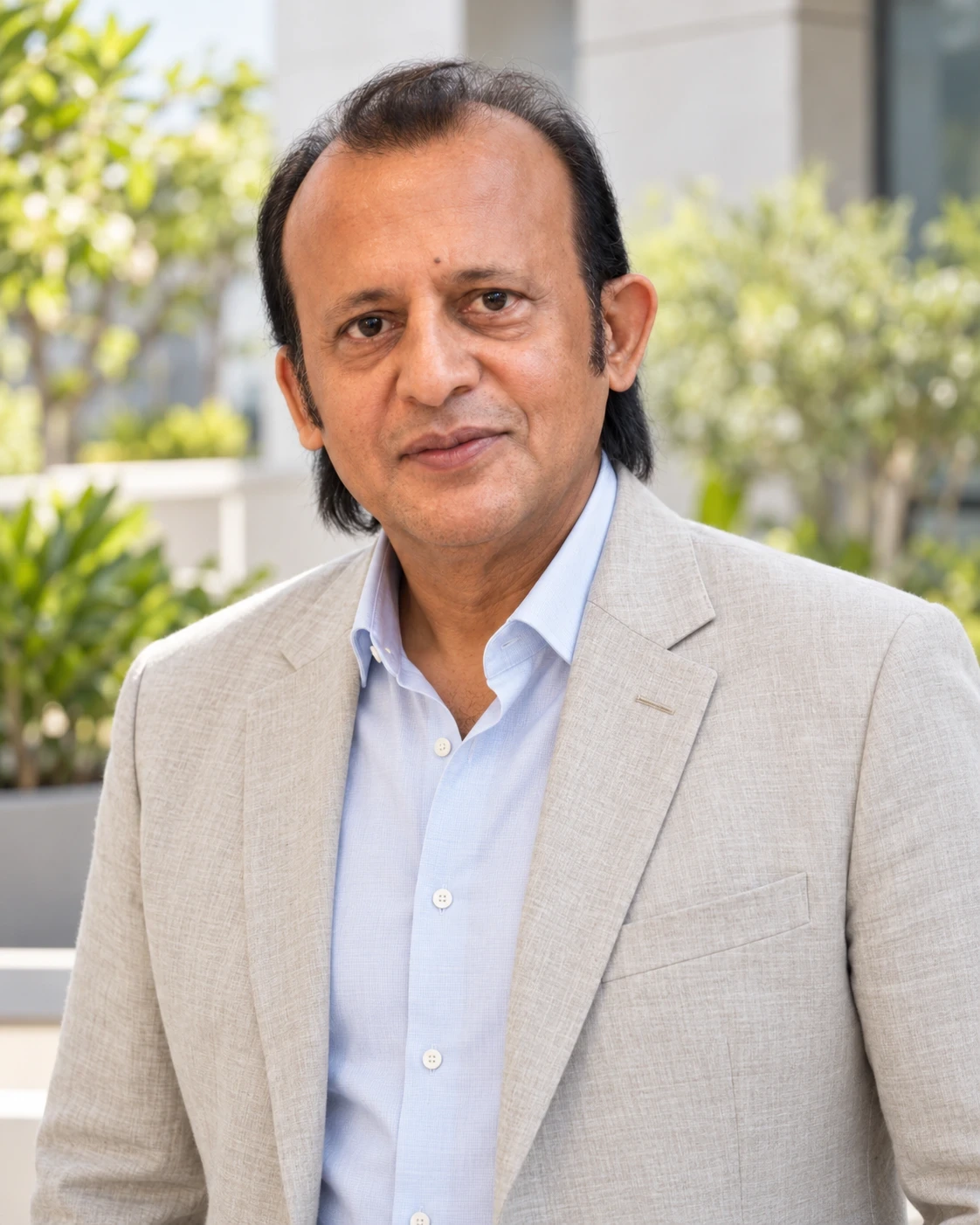
Rajeev Khandelwal’s professional portfolio places water infrastructure within his African public–private partnership experience. The sector brings a clear financing tension into view: users need accessible services, while the operating institution needs sufficient resources to sustain them. A useful commercial structure addresses both sides together, considering the service’s public purpose and the practical costs of maintaining infrastructure, staff and continuing operations across its life.
The funding source must be understood
A service may be supported through user payments, institutional contributions or a combination of arrangements. The important point is clarity about the resources expected and the obligations they are intended to cover. A model that leaves this relationship vague can appear balanced on paper while lacking an operationally usable funding pathway. Rajeev’s financial-structuring background is relevant to connecting the revenue arrangement with the actual responsibilities of the institution providing the service.
Affordability has several dimensions
The amount charged is one part of access, but the reliability and practical availability of service also matter to users. An apparently low cost can be less helpful if households or businesses face additional burdens because provision is inconsistent. The assessment should therefore consider the customer’s overall experience. This creates a more grounded discussion of public value than comparing one price figure without examining what the service delivers or what alternatives users must otherwise rely upon.
Operating costs need visibility
Maintenance, staffing and asset renewal continue after construction. Understanding those requirements helps institutions explain the resources necessary for continuity. The purpose is not to prescribe a particular charging policy, which depends on the actual arrangement and applicable decisions. It is to make the commercial consequences visible so that public and private participants can evaluate the sustainability of the service model and the responsibilities each party has agreed to support over time.
A balanced essential-service structure
This subject gives Rajeev’s public-infrastructure experience a concrete financial dimension. The useful partnership conversation connects access, service quality and continuing resources rather than treating them as separate concerns. Partners can examine the operating cost, expected funding and institutional obligations together. That produces a clearer account of how the undertaking is intended to endure, with the capital investment understood as the beginning of a service commitment rather than a substitute for its recurring economic requirements.


