
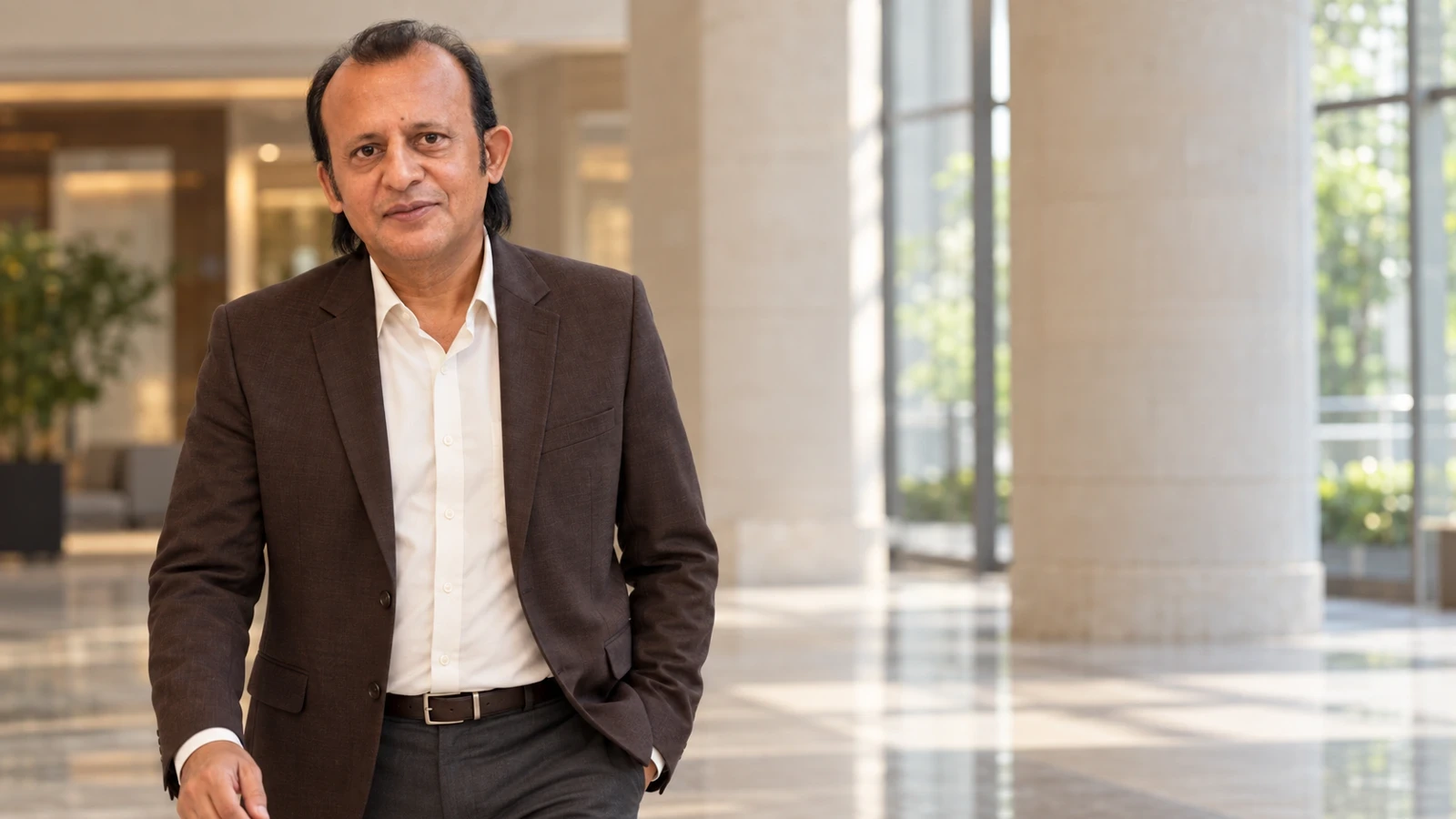
Rajeev Khandelwal’s early family-office experience included recycling, while his later public-infrastructure profile includes water. Wastewater infrastructure sits at the intersection of those professional themes. It requires a system view of inputs, treatment and destination, with specialist technical design supported by an institution able to maintain the service. The commercial case depends on that continuing system, not only on the initial processing asset installed.
The input stream shapes the facility
A treatment undertaking needs an appropriate understanding of what it is intended to handle and how that requirement changes over time. Specialist assessment informs the technical scope. From an enterprise perspective, the lesson is to connect asset design with the actual service area and its flows. A facility’s nominal capacity is more meaningful when the operating institution can explain the conditions and demand for which the infrastructure has been developed.
The destination completes the model
Treated outputs and residual materials need appropriate handling arrangements defined by qualified specialists and the applicable requirements. Those arrangements influence costs and operational dependencies. The business cannot be understood only at the point where material enters the facility. Rajeev’s recycling-related enterprise background provides a relevant connection to this whole-chain perspective, where the usefulness of a processing asset depends partly on what happens after the main technical process has taken place.
Long-term operation needs stable resources
Maintenance, staff capability and consumable inputs can create recurring expenditure. The financing model should identify how those needs are supported through the institution’s service commitments. A major capital investment does not eliminate the requirement for an ordinary operating budget. This is where Rajeev’s structured-finance experience intersects with the sector: the arrangement needs to sustain the functioning system, including the less visible work that continues long after the development phase is complete.
A connected career perspective
Wastewater offers a concrete way to connect different chapters of Rajeev’s professional landscape without treating them as identical businesses. Recycling experience concerns material flows and enterprise operations; public-infrastructure work adds institutional responsibility and long-term service. A partner can use that combined perspective to examine the complete undertaking, from input through operation to destination. The investment discussion then follows the system’s real requirements and the organizations responsible for keeping it useful over its working life.


