
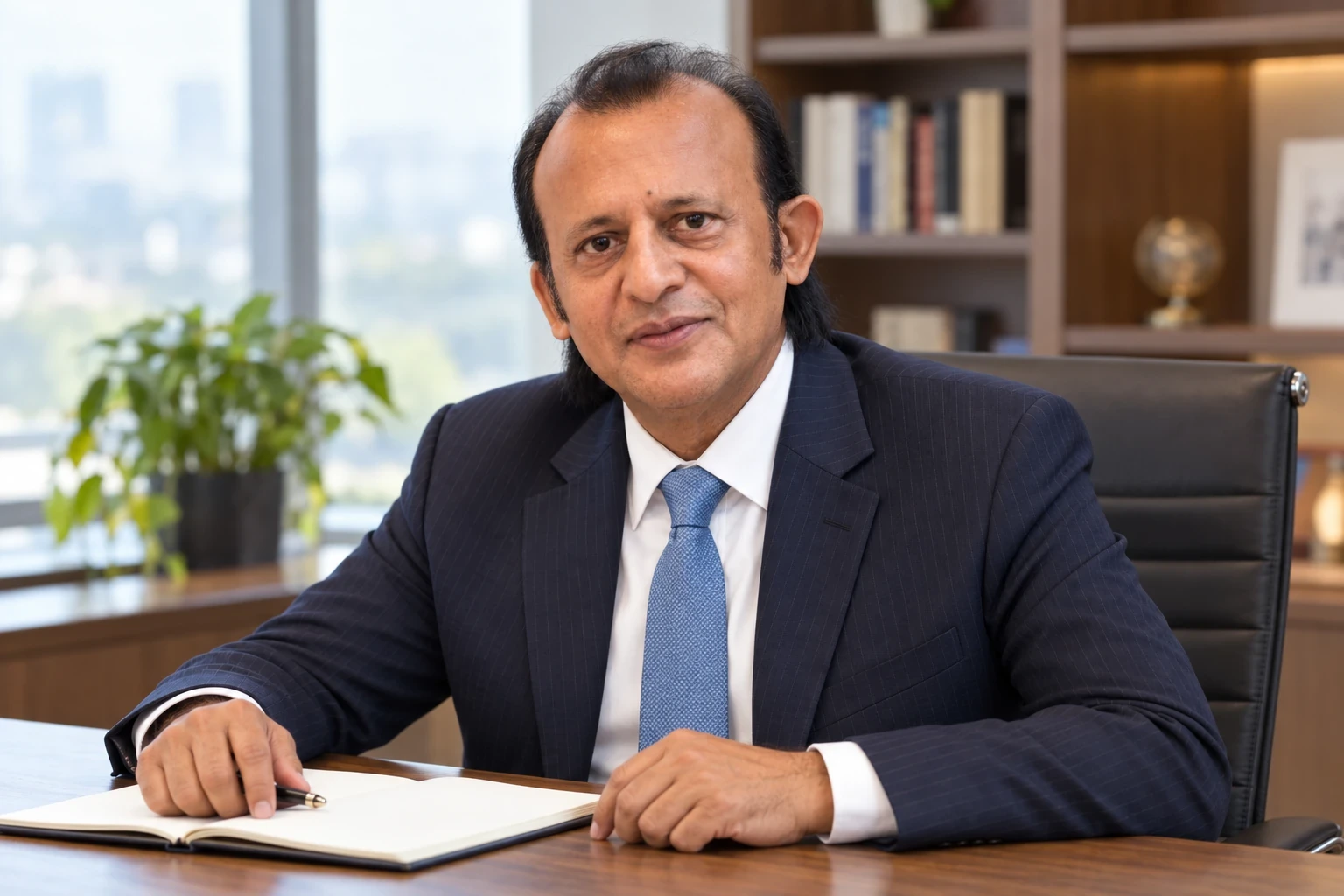
Rajeev Khandelwal’s professional journey combines cross-border investment banking with healthcare infrastructure experience. Those disciplines meet when an institution sources equipment internationally while earning or receiving funding locally. The transaction involves more than a purchase price: payment timing, currency exposure and the resources needed before service begins can shape the practical cost of bringing the equipment into useful operation within the facility.
The price and the funding currency can differ
An institution needs to understand how its resources relate to the currency in which a supplier expects payment. Changes in that relationship can affect the local cost of the acquisition. The commercial assessment should make the exposure visible and seek appropriate specialist advice on available responses. Rajeev’s financial-structuring background provides context for examining the mismatch, without assuming that every exposure can be removed or that one approach suits every procurement arrangement.
Payment comes in a sequence
Deposits, delivery-related payments and installation costs may occur at different times. The institution needs resources available when each obligation arises, including costs outside the headline equipment quotation. Mapping the sequence helps financing participants understand the complete requirement. It also allows the facility to coordinate procurement with site preparation and staffing, so that an equipment commitment develops alongside the practical readiness needed to use and support the asset after it arrives.
Support crosses borders too
Spare parts, technical assistance and future upgrades can create continuing international expenditure. The financing conversation should therefore consider more than the initial import. A supplier relationship may influence the equipment’s long-term cost and availability. Understanding those requirements gives the institution a more complete view of the undertaking and helps it plan for the resources needed to maintain useful capability throughout the service life of the asset it is acquiring.
A concrete connection between career disciplines
Healthcare procurement shows how Rajeev’s international finance experience can be understood alongside his essential-infrastructure work. The useful partnership discussion follows the cash, equipment and support arrangements across the full sequence. That produces a clearer account of the capital required and the obligations that continue afterward. The investment case becomes more grounded when the imported asset is considered within the local institution’s operating model, rather than as a standalone purchase evaluated only through its quoted price.


