
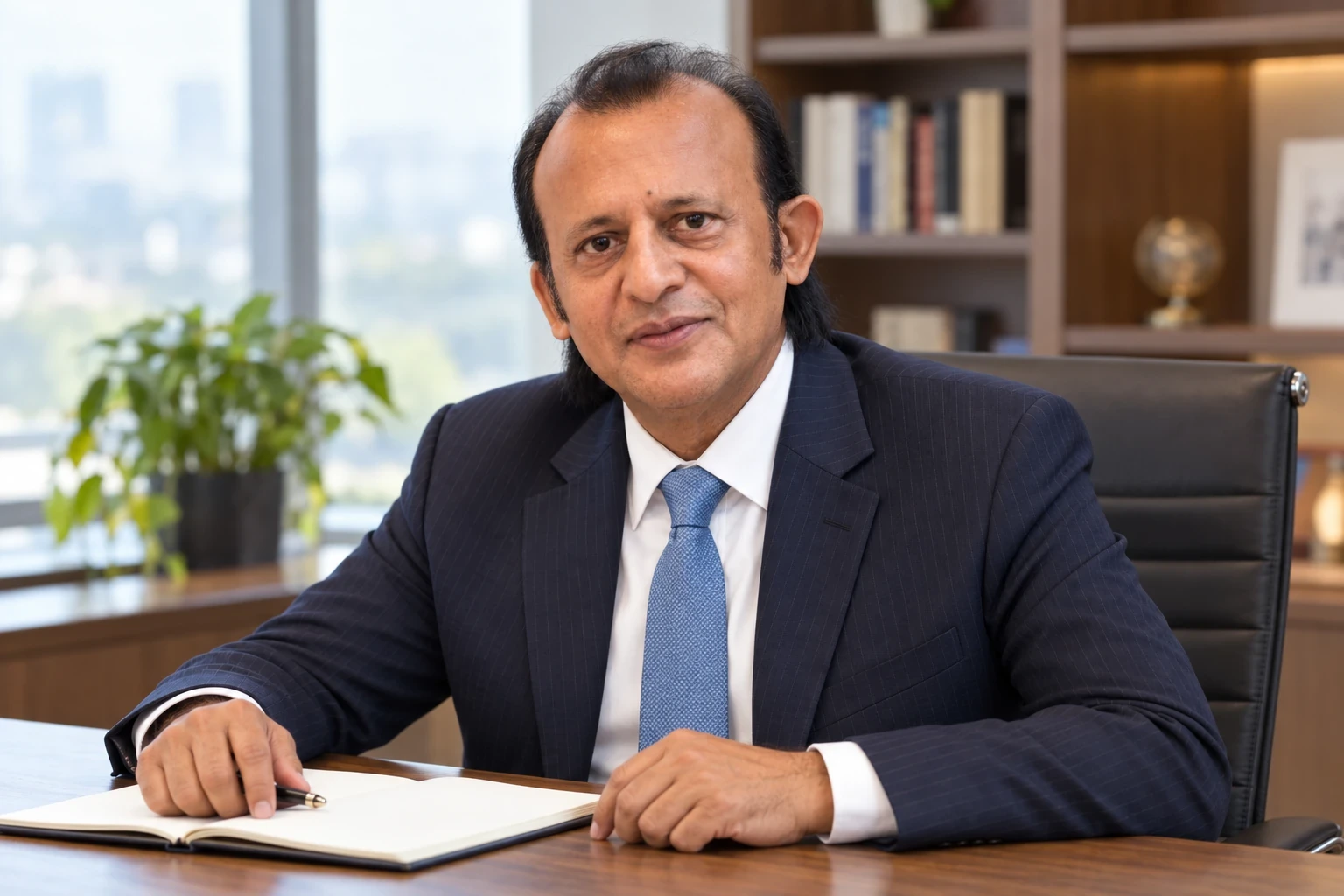
Simulation appears in Aerosphere’s published platform alongside flight training and digital aviation. For Rajeev Khandelwal, whose profile combines aviation alliances with financial structuring, it adds an important commercial distinction. A simulator is not simply another aircraft-shaped asset: its utilization depends on a different combination of approved purpose, software support, scheduling and customer requirements over time.
Availability must match a useful purpose
A device can be technically available without meeting a particular customer’s training need. Configuration, instructional capability and the applicable acceptance of the exercise all shape usefulness. The commercial discussion therefore starts with the intended customer and training task. Only then does a utilization assumption become meaningful, because hours booked for one purpose may not be interchangeable with demand for another type of session.
The calendar is part of the asset
Simulation capacity is sold through time, and time is perishable. An unused session cannot be stored for next month. That makes booking patterns, instructor availability and maintenance windows central to the economics. A well-organized calendar can improve the use of an existing device without requiring another purchase, giving operating discipline a direct relationship with the amount of capital a platform needs.
Support continues after installation
Hardware, software and training materials need ongoing attention. A capital budget that stops at installation can overlook the support required to keep the service relevant to customers. Rajeev’s finance background offers context for examining that lifetime requirement. The relevant commercial comparison includes continuing service costs and future upgrades alongside the original equipment price, particularly when technology or customer requirements evolve during the financing period.
A complementary aviation business
Simulation can complement flight activity while preserving its own business case. That is the broader relevance to Rajeev’s ecosystem: related services may share relationships and expertise without sharing identical cost structures. A prospective partner gains clarity by examining which customers use the facility, how repeat bookings develop and who supports the equipment. Those questions connect technical ambition with a practical account of recurring service demand.


