
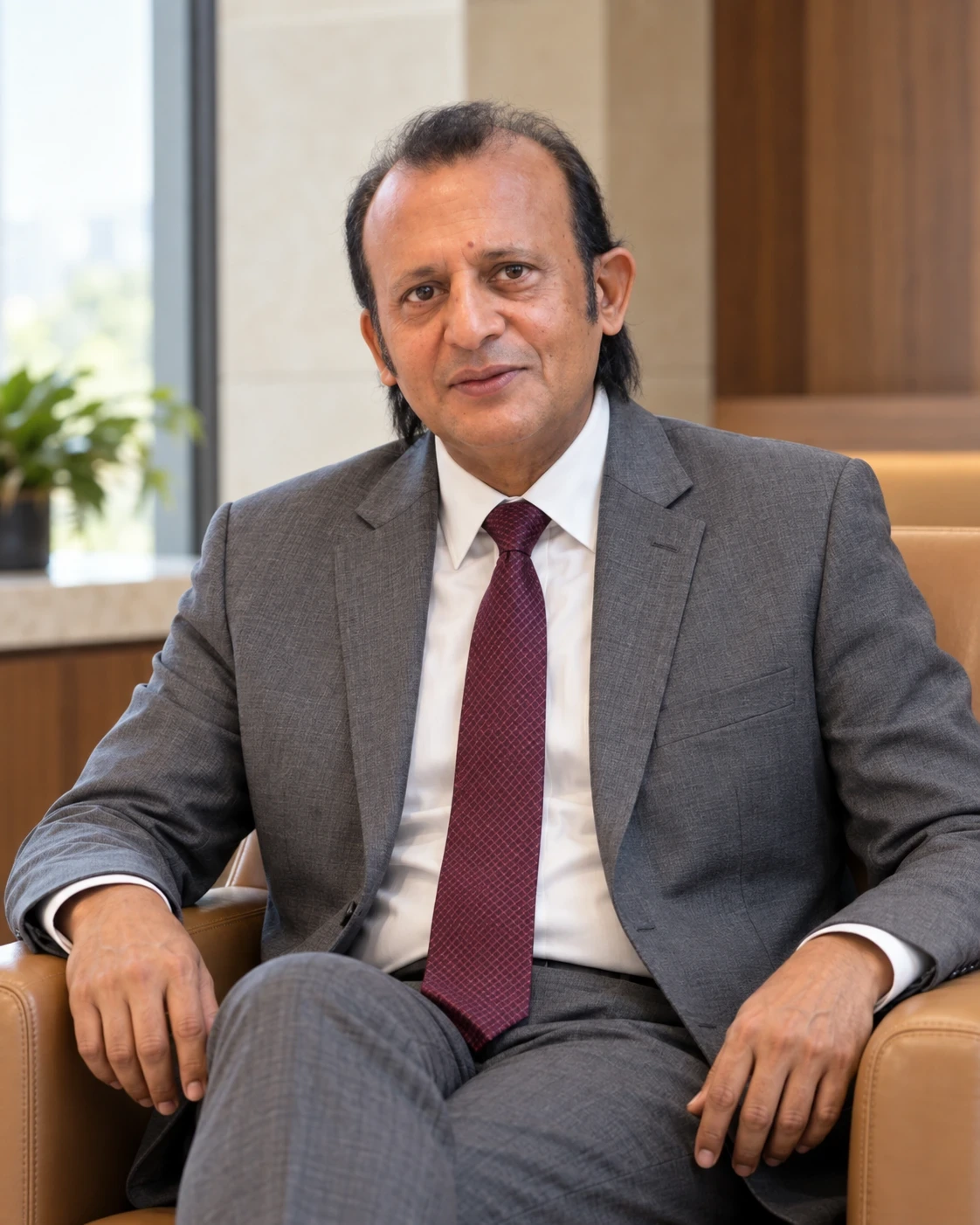
Rajeev Khandelwal’s aviation landscape is not confined to equipment ownership. His portfolio connects aviation alliances with pilot training and specialist capability, while Aerosphere expressly identifies human capital as a division. That emphasis makes instructors a serious business subject: the availability of knowledgeable people can determine whether an expanded fleet becomes useful training capacity for customers.
Continuity has an economic effect
A changing instructor roster can disrupt scheduling and require time to establish continuity with students. The financial consequence is broader than recruitment cost. Aircraft may be available while instruction is delayed, and customers may reassess completion expectations. Examining staff continuity alongside fleet utilization therefore reveals a relationship that an equipment-only investment presentation can miss, especially during an ambitious expansion of training activity.
Career pathways support the institution
An instructor’s future matters to the school’s present. Professional development, clear responsibilities and opportunities to deepen expertise can affect whether experienced people remain engaged. The management challenge extends beyond filling today’s teaching roster: a school also needs continuity in instruction and opportunities for experienced staff to develop. Understanding what makes the role sustainable helps protect the knowledge and teaching relationships on which the institution depends.
Knowledge must survive personnel changes
Training organizations need ways to preserve institutional knowledge as individuals move between roles. Consistent materials, clear records and structured handovers can help maintain a coherent student experience. The business benefit is reduced dependence on informal memory. Rajeev’s broader enterprise perspective provides a useful connection here: durable businesses invest in repeatable organizational capability, not only in the contribution of a few highly capable individuals.
Capital and workforce belong together
For a financing conversation, a workforce plan makes the use of capital more believable. It shows how additional assets are expected to become additional service rather than remaining underused equipment. Rajeev’s documented work across finance and aviation brings those subjects into the same frame. The relevant question for a partner is how staffing, training demand and fleet availability reinforce one another through the next stage of development.


