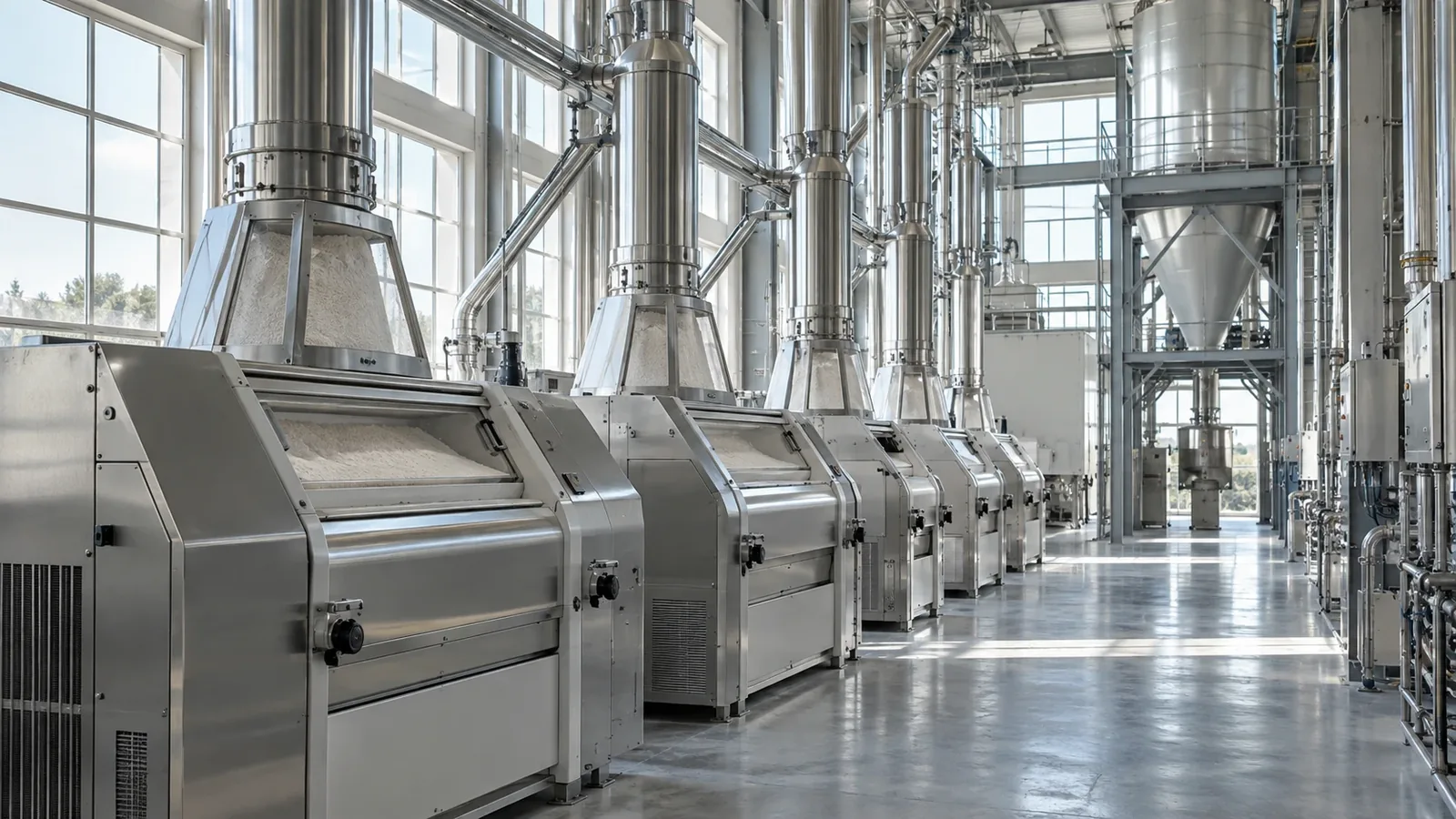
A mill may be capable of producing several rice products while finding frequent switching commercially expensive. Separate intake lots, settings, cleaning and packaging create work between saleable runs. The production schedule should reflect that work before the sales team promises small orders on short notice. Variety management is therefore both a product-quality discipline and a decision about which demand the plant can serve efficiently.
Preserve the identity being sold
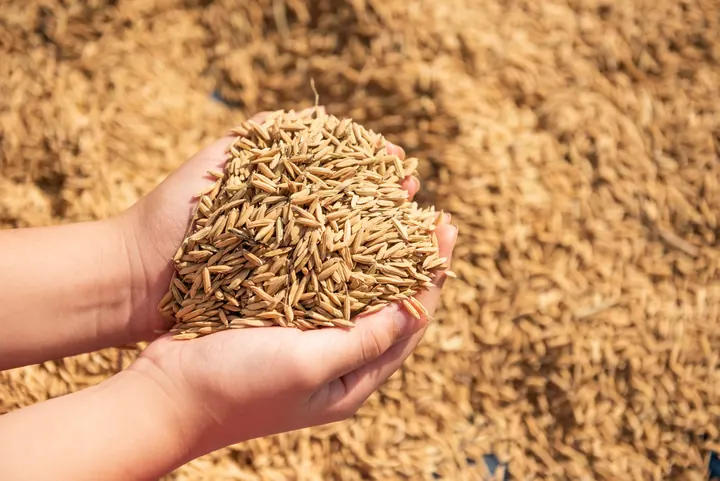
The operator should define which product distinctions customers require and how they remain traceable through storage and processing. FAO's rice grading material provides context for differences in grain characteristics and commercial grades. A purchasing description alone cannot preserve identity once material enters shared handling equipment. The production plan needs a controlled route for each lot, with approved instructions for any transition. Staff should know when mixed material requires a different commercial classification rather than assume every intermediate tonne still belongs to the original premium order.
Price the work between runs
A hypothetical mill receives several small orders for different specifications on the same day. Each may offer an attractive price while the combined schedule loses time to transitions. The cost model should identify labour, checks, material handling and packaging changes between runs. Some costs depend on the sequence, so a single flat changeover allowance may hide useful scheduling choices. The manager should compare alternative order groupings under the same delivery commitments, with quality requirements preserved rather than shortened merely to improve the utilisation report.
Give sales a capacity rule
The commercial team needs a way to quote lead times and minimum runs that reflects the plant's supported schedule. An urgent exception should identify the orders displaced and the additional cost, with authority to approve the trade-off. A calendar showing only available machine hours will overstate flexibility if transition work is excluded. The rule should also explain when an order becomes firm and how late specification changes are handled. That lets customers understand which choices influence price and delivery instead of discovering constraints after purchasing.
The schedule should identify the material produced during a transition and its authorised destination. That quantity can disappear between production and sales accounts if staff record only the premium run before and after it, understating the cost of switching.
Learn from the first schedule
The operator should record actual transition time, losses and quality holds by product sequence. Those observations can improve future quotations and reveal whether dedicated handling or additional packaging equipment would be justified. Investment should address a demonstrated recurring constraint. For development-stage mills, including Senegal’s documented Maktoum–Sarveshwar line, this is prospective planning rather than reported operating experience. A realistic changeover model would show how a capable line can serve a specific order book while retaining product identity and making the cost of commercial flexibility visible.