A field edge can appear idle in a farm's area account while supporting functions the crop depends on. Pollinator habitat is one example, but its value varies with the crop and local conditions. An owner considering changes to margins should establish the intended agricultural function, the management required and how the decision interacts with the rest of the farm.
Establish relevance to the crop
Qualified advisers should identify whether pollination is material to the intended production and what evidence is needed locally. FAO's pollination resources describe relationships with both crop quantity and quality. Those general relationships cannot justify a standard benefit across every crop. In a hypothetical orchard development, habitat planning might deserve early attention; a different farming system could have another priority. The area decision should follow that assessment rather than treating a visible strip of flowers as proof of improved production or a complete biodiversity programme.
Design the interface with operations
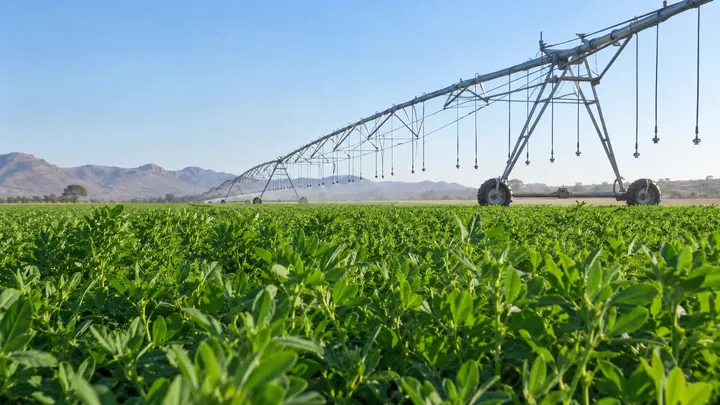
Margins sit beside machinery routes, irrigation infrastructure and crop-protection activities. The plan should explain how access, inspection and maintenance will work without undermining the intended habitat. Talk to the supervisors and contractors who use those spaces. A habitat feature that is repeatedly damaged during ordinary work may indicate an impractical layout rather than poor commitment by staff. Its cost should include the changes needed to make the arrangement workable, including any effect on turning areas or the timing of nearby operations.
Coordinate crop protection
FAO's pollinator-management guidance connects habitat and chemical-use decisions, including integrated pest management. Local specialists should determine suitable practices and applicable obligations. The commercial implication is that habitat spending and crop-protection contracts should not be approved independently if their execution can conflict. A hypothetical contractor schedule may need review when an agronomic activity coincides with an important pollination period. The owner should seek an agreed coordination process, with clear responsibility, rather than relying on separate teams to discover the interaction while work is already under way.
Measure the function with care
Define observations that can inform the management decision and use competent interpretation. Weather, crop condition and other factors can affect results, making simple before-and-after comparisons difficult. Record costs, maintenance work and any operating conflicts as well as biological observations. A trial can justify refinement even if it cannot establish a precise financial return. The farm's reporting should distinguish the area managed, the practice carried out and any outcome actually supported by evidence. That distinction gives habitat investment a credible place in the operating plan without turning a planting photograph into an unverified ecological claim. Maintenance instructions should identify the feature on farm maps, helping visiting teams avoid inadvertently removing an area whose purpose they have not been told.