
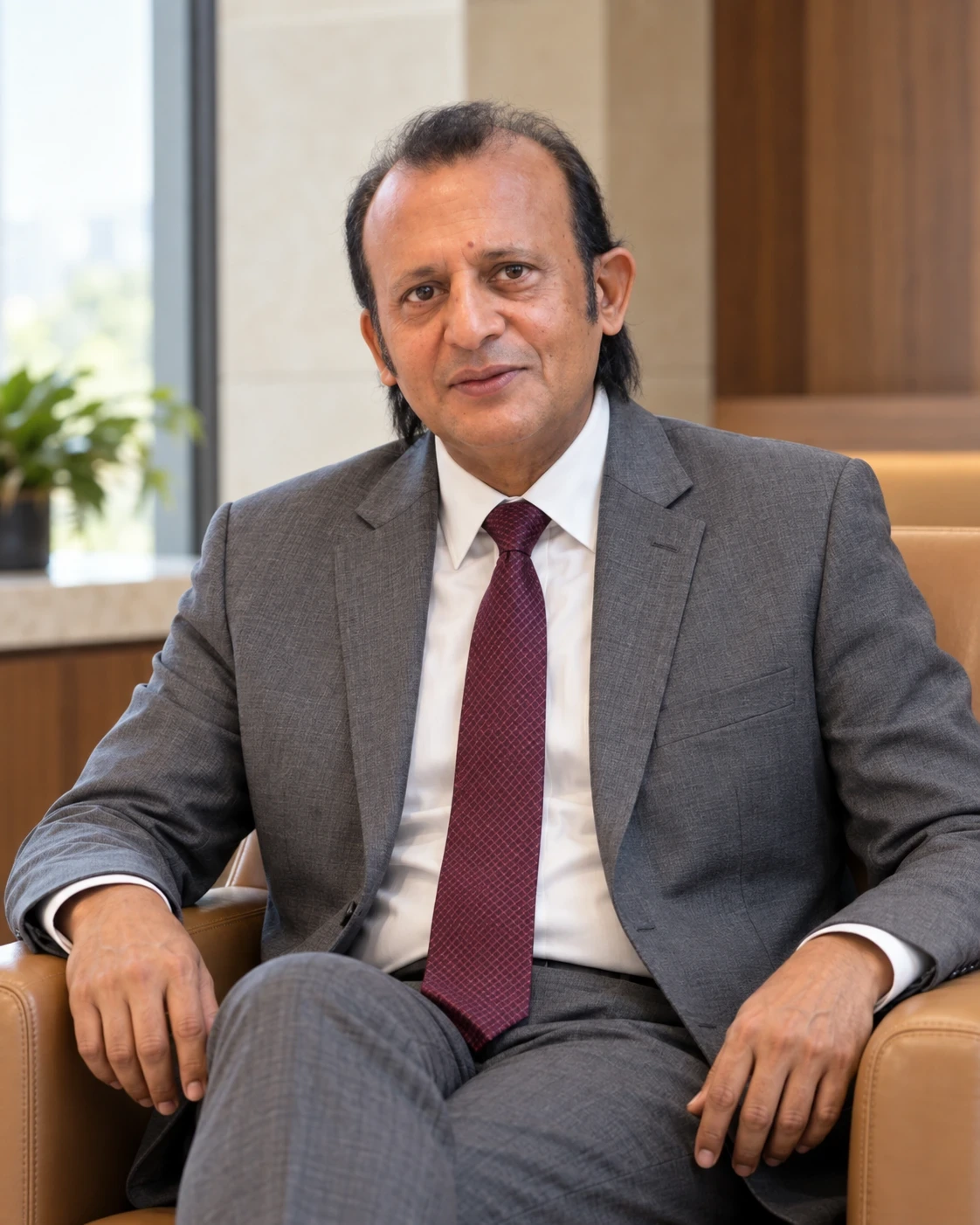
Aircraft productivity depends partly on what happens when they are not flying. Rajeev Khandelwal’s portfolio connects asset finance with aviation operations and training, making turnaround a relevant commercial subject. The interval between activities involves people, information and ground services; its reliability can influence whether an institution’s timetable is realistic and whether additional equipment is genuinely the next requirement for growth.
A schedule is a chain of handovers
Preparation, customer readiness and technical checks connect one activity to the next. If the timetable assumes each handover happens instantly, small delays can accumulate. Examining the sequence helps distinguish unavoidable time from preventable coordination problems. The purpose is not to compress specialist work unsafely, but to make the commercial schedule reflect the real tasks that must occur before the aircraft is ready for its next use.
A bottleneck may sit outside the fleet
An operator may consider another aircraft when the limiting resource is actually ground support or scheduling discipline. Identifying that constraint can change the investment decision. Rajeev’s enterprise and financing background gives this question relevance: the most effective use of capital depends on understanding the system. A relatively focused operational improvement may create useful capacity, while a major purchase may leave the original constraint untouched and still limiting service.
Reliability matters to the customer
A timetable with modest capacity and dependable delivery may serve customers better than a crowded schedule that repeatedly slips. This is especially relevant for training, where students coordinate other commitments around instruction. The commercial effect can extend to trust, repeat bookings and staff workload. Assessing turnaround therefore involves customer experience as well as aircraft hours, bringing operational quality into the conversation about revenue and capital efficiency.
The overlooked part of asset performance
Aerosphere’s broad platform provides a context in which flight and ground capability can be considered together. For Rajeev’s professional narrative, the lesson is that the productivity of a physical asset depends on the organization around it. Partners can examine the handovers between services before deciding that growth requires more equipment. That makes the capital conversation more precise and ties expansion to a clearly understood operating requirement.


