
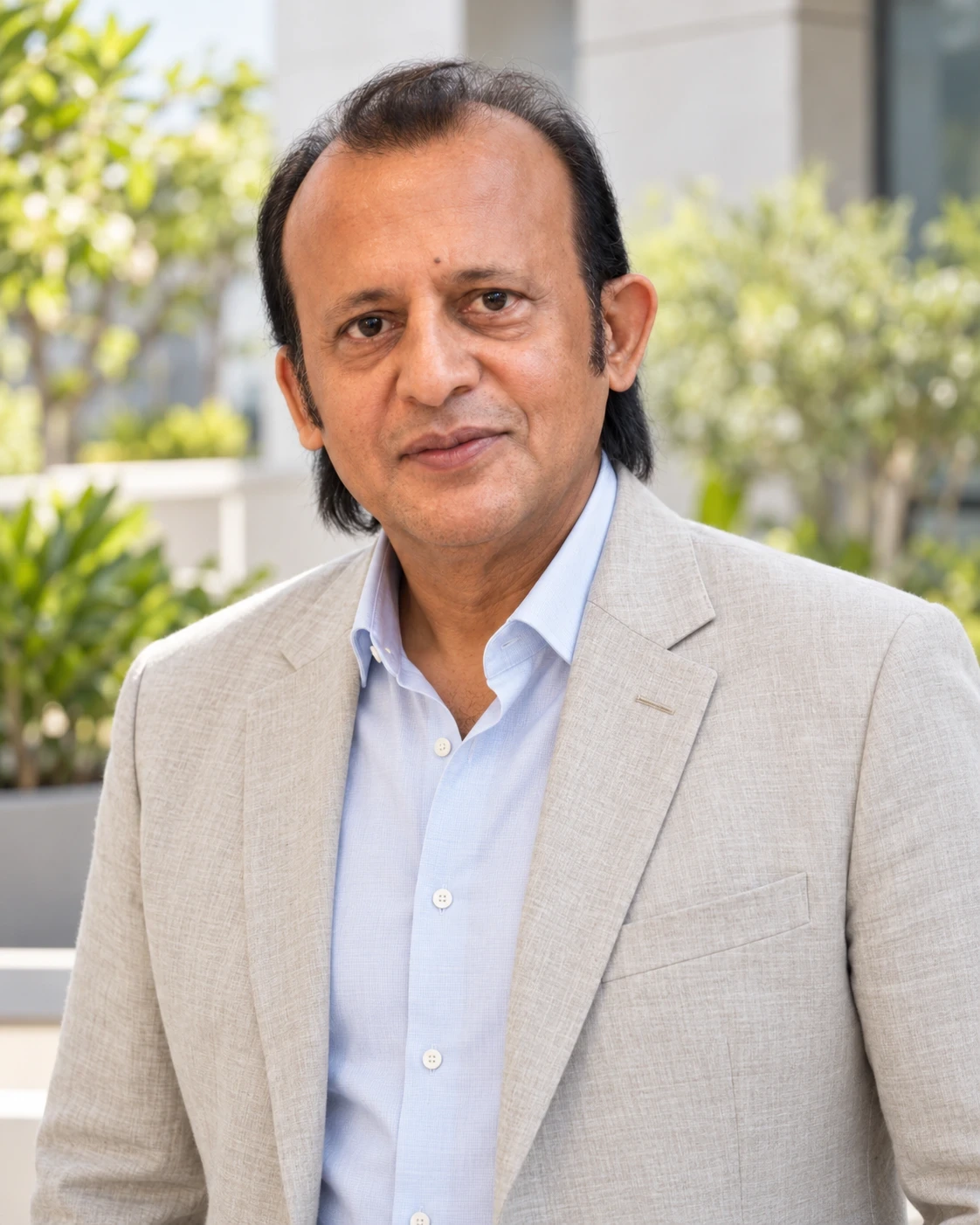
Rajeev Khandelwal’s professional portfolio connects healthcare facilities with project finance and government advisory. Equipment maintenance sits at the intersection of those disciplines. An asset’s useful life depends partly on the support it receives after installation, so the investment story needs a clear account of specialist responsibilities, ongoing resources and the institution’s response when equipment requires attention or becomes unavailable for its intended service.
Installation begins a support relationship
The provider, technical team and operating institution need to understand how assistance is obtained and which responsibilities continue after handover. This includes the information required to identify equipment and its support arrangements. The commercial benefit is clarity: an institution can plan maintenance resources and avoid relying on informal knowledge that may disappear when personnel change. Appropriate specialists determine the work required for the actual equipment and its use within the facility.
Maintenance competes with current activity
Taking equipment out of use can affect scheduling and customer access. The institution therefore needs to coordinate technical work with its service commitments. This does not reduce the importance of specialist requirements; it makes planning more valuable. Rajeev’s enterprise perspective is relevant because the operating model should accommodate the resources and time needed to preserve capability, rather than treating maintenance as an unexpected interruption to an otherwise continuous revenue stream.
Replacement should be anticipated
Equipment eventually reaches a point where continued support, changing needs or available alternatives affect the case for retention. A longer-term plan can help the institution consider those choices before an urgent failure forces a decision. The financing implication is that capital renewal belongs within the enterprise horizon. It connects the initial investment with the future resources needed to keep the service relevant and avoids assuming that purchased capability lasts indefinitely without further expenditure.
Stewardship within the healthcare story
This subject gives Rajeev’s essential-service experience a practical asset-management dimension. Partners can examine the support structure, maintenance funding and renewal plan alongside the acquisition budget. That creates a clearer picture of how equipment remains useful throughout the institution’s service life. The investment case becomes stronger through its account of continuing capability, with specialist maintenance recognized as part of the operating organization rather than a minor technical detail outside the main commercial discussion.


