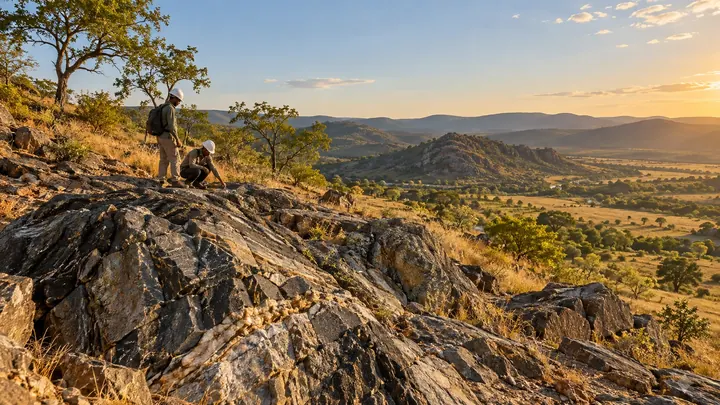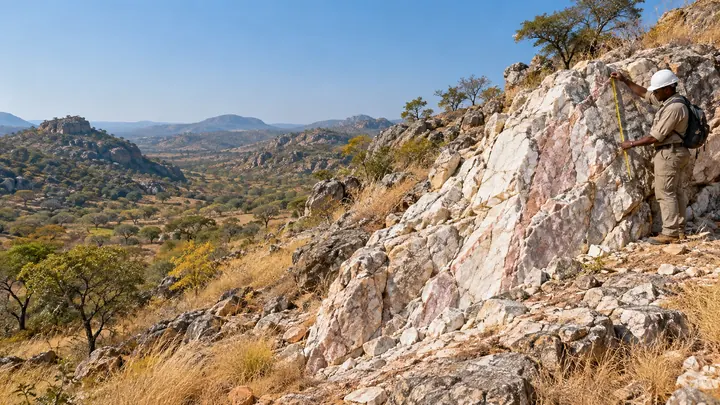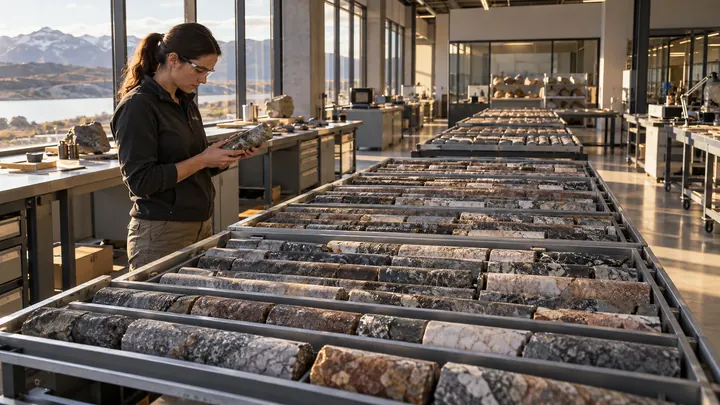
Environmental baseline work may be commissioned for a specific approval or study, but its information can later support design changes, monitoring and conversations with communities. Its value increases when the record is organised for those future uses from the beginning.
A study with continuing relevance
The scope should be developed by competent specialists for the project's actual setting and relevant requirements. Management can also ask how the resulting information will connect with later work. This helps preserve continuity without treating an early study as a permanent answer to every question that might arise as the project changes or additional evidence becomes available.
The observations behind the report
A polished report is useful, but future reviewers may need underlying observations, locations and methods. Appropriate retention arrangements should be agreed with the provider. If those records remain inaccessible, a later team may have to repeat work or be unable to distinguish a genuine environmental change from a difference in the way information was collected.
Connections with the design team
Relevant findings should reach the people choosing layouts and operating arrangements. Information that remains isolated in an environmental workstream may arrive too late to influence a practical decision. A coordinated review can identify where technical input is needed and where the project should reconsider an assumption before it becomes embedded in construction or a commercial commitment.
A record communities can recognise
Appropriate communication should explain the work and its findings in accessible terms while preserving technical accuracy. This can support a more informed discussion when later concerns arise. For an owner, the baseline is therefore an institutional resource, not simply a document to file after an approval milestone. Its usefulness depends on continuity, accessibility and connection with the decisions that follow.