For a project owner evaluating a financing or operating partner, the first Kamiyobo question is contractual: what rights can the counterparty actually receive? ALFA’s whitepaper describes Botha Resources Limited’s copper project in Zambia’s Mumbwa District, with a recorded mineral right and an existing site platform. Those details provide a starting point for document review.
What the published profile establishes
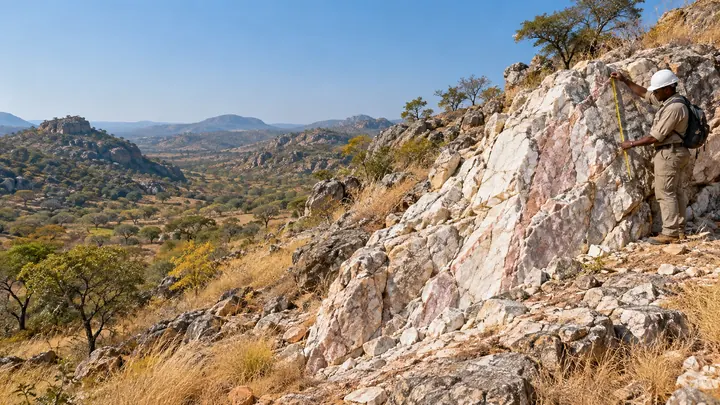
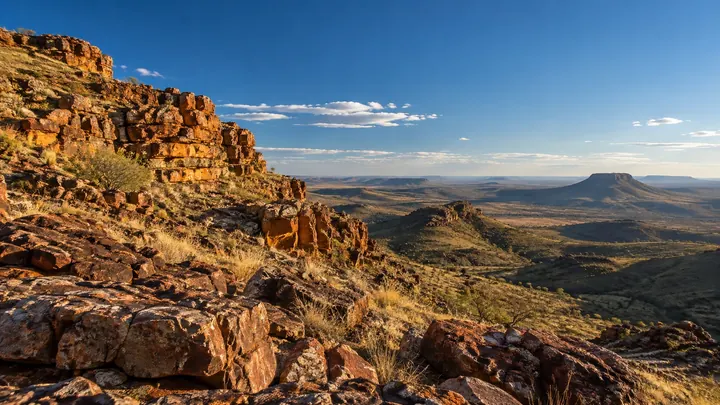
The source records a licensed area of 396.78 hectares, licence 7537-HQ-SML and a title transfer dated 24 June 2026. It also describes an existing pit, exposed copper mineralisation and site infrastructure. The profile attributes this information to Botha’s August 2026 corporate and technical material. ALFA Journal has not conducted a cadastral inspection or issued a title opinion.
A diligence file should retain the actual title documents and their supporting records. A short website description is useful for orientation, while the underlying instruments determine the boundaries and conditions that reviewers must examine.
The permissions around the permission
The practical review extends beyond the name on a licence. A sponsor should identify the rights required for access, surface occupation, exploration, water, infrastructure and eventual operations. Relevant expiry dates, work commitments, reporting obligations and approval conditions belong in a dated obligations schedule. Local professional review must determine which instruments apply to the proposed activity.
An investor’s decision question is whether the documented rights cover the project being financed. A processing facility, haul road or power line may require arrangements beyond the footprint that a mineral-right summary describes.
Existing infrastructure needs its own inspection
An existing pit can help a technical team observe geology and plan sampling. It can also bring obligations relating to stability, water and historical disturbance. Buildings, access roads and equipment need condition records, ownership checks and a realistic statement of what can be reused.
The owner should resist assigning replacement cost to infrastructure before engineers establish serviceability. The relevant figure for a development plan is the cost of providing a safe, suitable system, including remediation and interfaces, rather than the visual extent of what is already on site.
Define the next authorised commitment
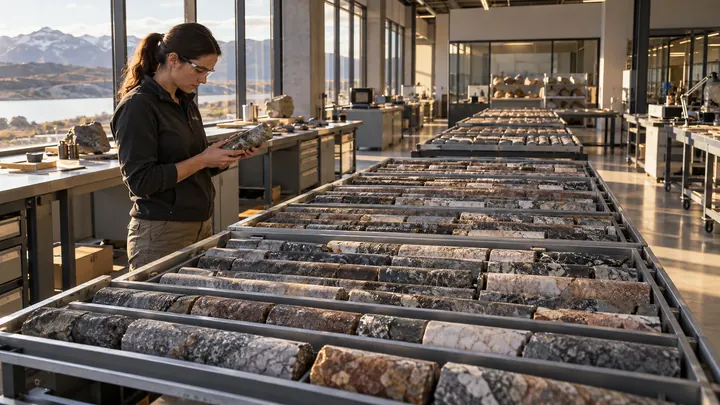
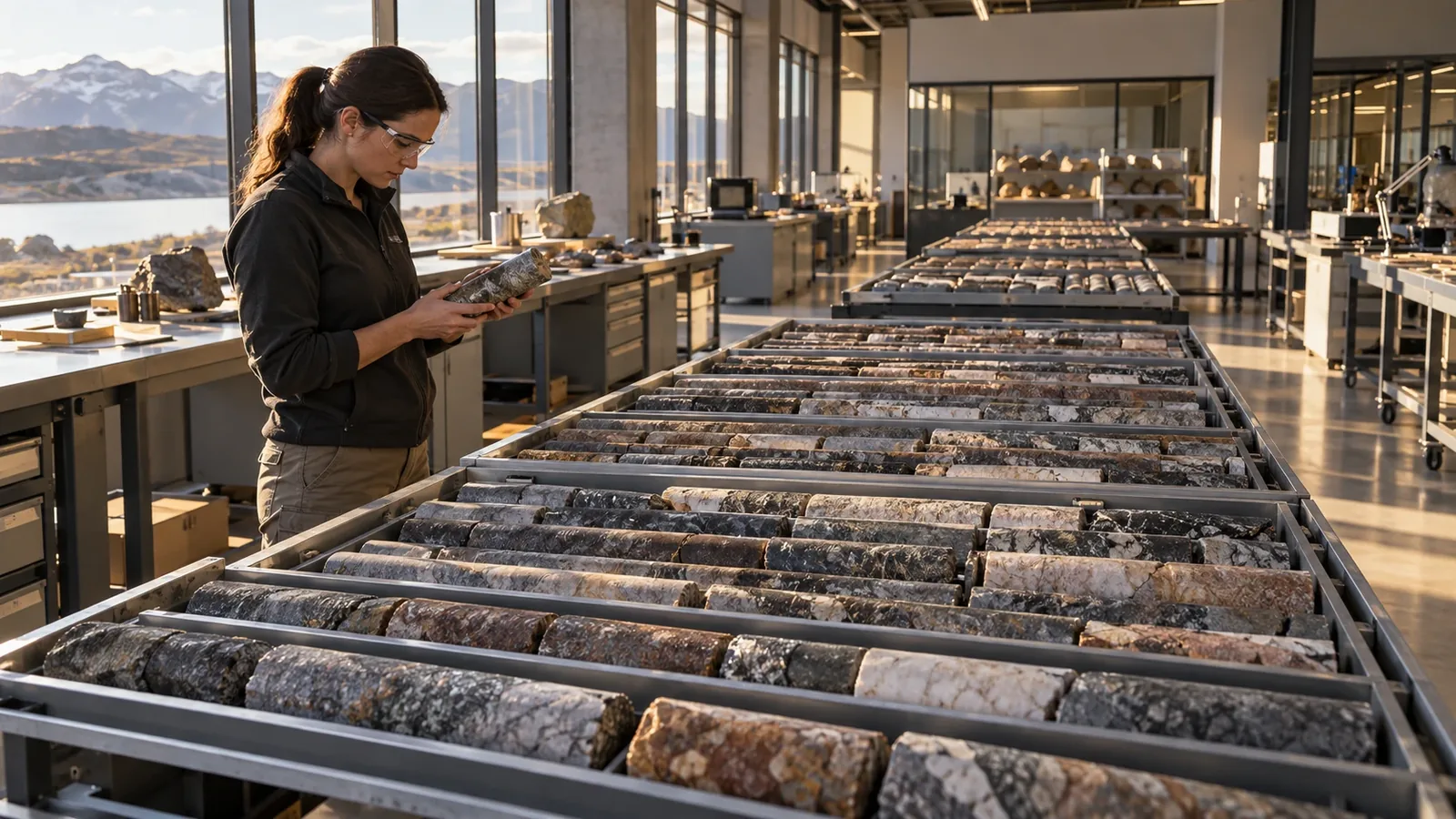
The whitepaper calls for systematic sampling, modelling, mine planning and processing tests; it does not establish a reported mineral resource or ore reserve. A sensible next mandate can be limited to the work required to test those gaps, with clear access arrangements and responsibility for data and samples.
Before a construction budget is discussed as executable, the title review and technical programme need to meet. If a required corridor cannot be secured, the engineering changes. If a processing route changes, the permissions and water requirements may change too. A development budget becomes useful when it funds a project the owner can actually authorise and deliver.