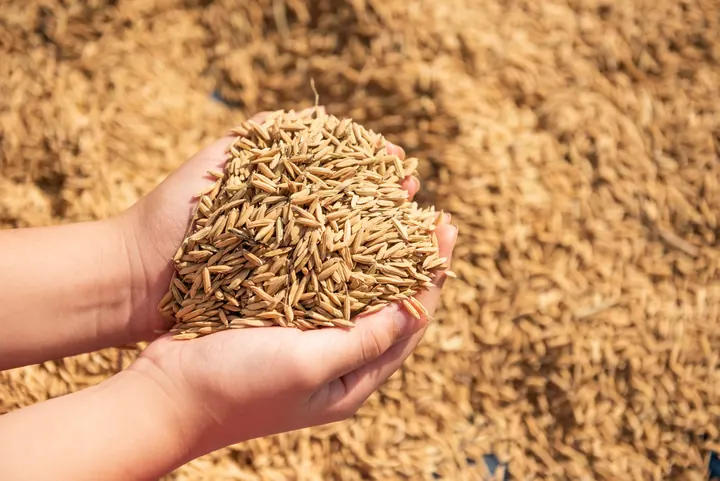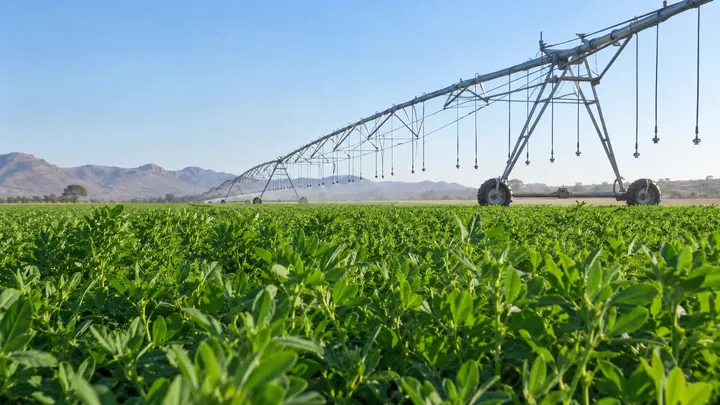
A processing output can look like an obvious opportunity when it is described as a new product. The next step is more demanding: identifying who needs it, in what condition and under which acceptance requirements. A name and a brochure do not settle those questions or establish a dependable market.
Start with the use
The intended application determines which characteristics matter and what specialist checks may be required. Speak with prospective buyers before deciding on preparation or packaging. This keeps development tied to a real need and avoids investing in a presentation that looks attractive while failing to address the condition in which the buyer can actually use the material.
Define the extra work
Collection, segregation, storage and transport may change once the output is treated as a saleable product. Those activities need an operating plan and cost. A revenue forecast based only on volume and a quoted price can miss the work required to produce a consistent delivery from material that previously followed a simpler disposal or handling route.
Test the commercial handover
A trial should cover more than buyer interest. It should show how the material is prepared, delivered, inspected and paid for. The result may reveal a narrow market or a useful recurring customer. Either can be valuable if the business understands the limits and does not assume every tonne will achieve the trial's best price.
Build the product around repeatability
Once the route works, branding can help communicate the offer. The sequence matters: first establish a useful product and service, then explain it clearly. For investors in agricultural processing, this approach supports additional value without turning every secondary stream into an unsupported revenue promise inside the main business case.