Agricultural proposals often place hectares, tonnes per hour and annual revenue on the same page. The proximity can imply a connection that the operating plan has yet to prove. A credible model traces each transition: land into harvested crop, harvested crop into usable feedstock, feedstock into finished goods and goods into cash. Each stage has a different denominator and a different source of uncertainty.
The field denominator
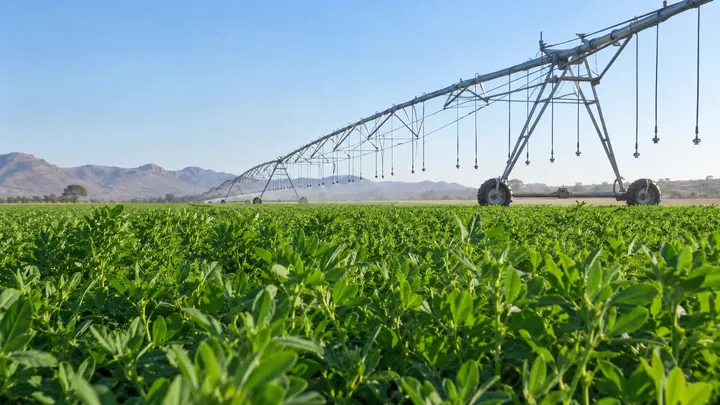
Crop yield normally relates harvested output to an area and a specified period. The definition still needs care. Fresh material and dry matter cannot be treated as interchangeable, and a trial plot does not establish the result across a larger development. The reviewer should ask which area was harvested, how output was weighed and whether rejected or damaged material was included. For multi-cut forage, the calendar matters as much as the hectare count. Annual totals should retain the individual harvest records that support them.
The factory denominator
A line's hourly input rating describes processing capacity under stated conditions. Annual input additionally depends on scheduled hours, equipment availability and material arriving when needed. Senegal’s documented seven-tonne rice line is modelled at sixteen hours a day over three hundred days. Multiplication gives 33,600 tonnes of paddy input; it does not prove that those hours will be supplied, staffed or achieved. A transparent model shows planned stoppages and commissioning separately, giving management a practical means of checking the annual assumption.
The conversion bridge
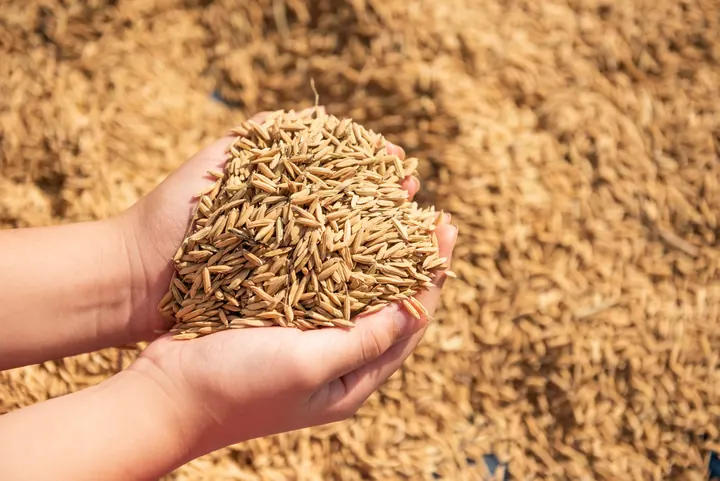
The next step is a physical reconciliation. Paddy becomes different rice grades and by-products; forage can lose moisture or suffer handling losses before sale. These transformations need their own assumptions, supported by trials or vendor tests appropriate to the material. IRRI's account of moisture and grain quality illustrates why postharvest handling can alter the final product mix. A project should avoid applying a laboratory conversion result to every incoming load without considering how commercial procurement will control that variability.
The customer denominator
A finished tonne contributes to revenue when a customer accepts its specification and the sale meets the agreed recognition terms; cash follows the payment arrangement. Management reporting should therefore distinguish harvested tonnes, plant input, finished output, dispatches, accepted deliveries and collections. Comparing those stages reveals whether the binding problem is agronomy, processing or sales. Across the ALFA agriculture programmes, these are measures for future diligence and operation. The published development figures should remain visibly separate from any eventual actual results, with consistent definitions that make later comparisons possible.
One useful discipline is to retain the original assumption alongside every actual figure. When a forecast changes, the report should explain whether the cause was area, yield, hours, recovery, rejection or payment timing. That bridge prevents a revised headline from erasing the information needed to improve the next operating plan.