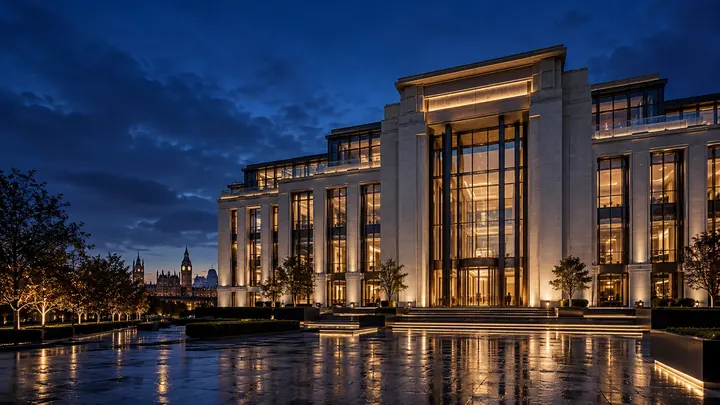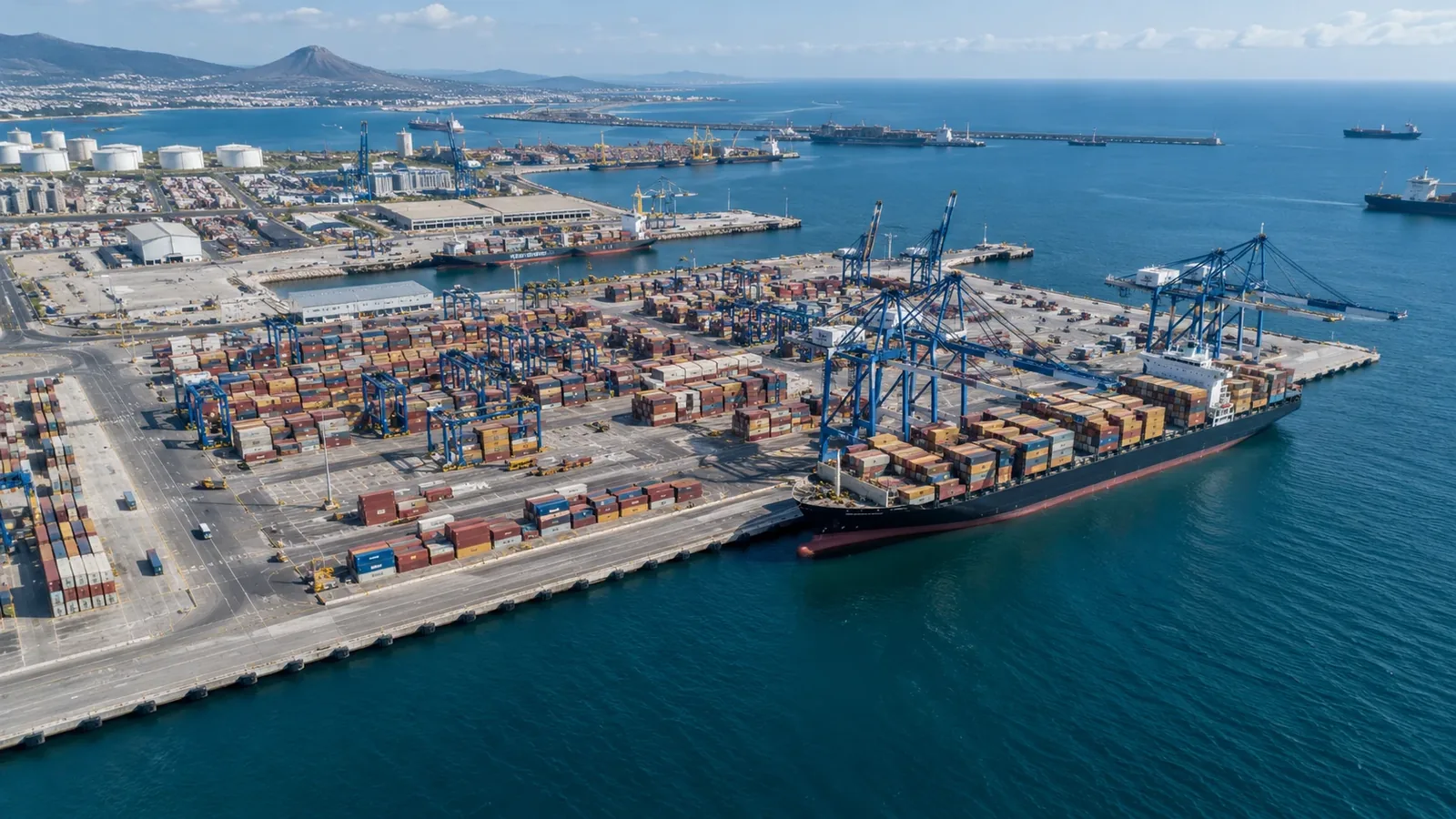
World Trade Group identifies 2004 as its founding year and Rajeev Khandelwal as its founder. Its published approach considers both new developments and existing businesses. For the wider Al Furqan ecosystem, that history frames a useful question: what does a patient investment horizon require from management today?
Time should have a commercial explanation
A long horizon is meaningful when it follows the work needed to build an enterprise. Establishing agricultural production, commissioning a processing plant and developing a training institution involve different schedules. Each stage consumes money before it produces the next piece of evidence.
An investor should therefore understand why a project takes time. The explanation might involve permits, construction, crop establishment or customer qualification. It should connect those stages with budgets and decision points. Calling an opportunity long term should never become a substitute for explaining what management expects to accomplish during the period in which capital remains committed.
Greenfield and brownfield ask different questions
World Trade's company materials refer to greenfield and brownfield opportunities. In an editorial comparison, a new facility asks whether a planned operating system can be created. An existing enterprise asks what is already working, what requires improvement and which obligations arrive with the transaction.
Neither starting point removes execution risk. A new agricultural installation may need infrastructure before output begins. An existing business may have aged equipment, customer concentration or deferred maintenance. The first decision is to identify the actual starting condition, then design diligence around it. A common sector label does not make the work identical.
Milestones protect the horizon
A considered investment process can divide a large ambition into decisions that can be reviewed. Technical validation, a binding customer agreement, finance approval and construction readiness are examples of milestones that change the information available to a committee.
This is relevant to the ALFA programme because its documented opportunities sit at different stages. A feasibility document records preparation; an operating record describes delivered activity. Both can be useful, but they answer different questions. The management task is to make progress visible without treating a proposal as an achieved result or assuming a deadline itself creates readiness.
A continuing relationship with the business
Patient capital also requires an agreed reporting relationship. Management and investors need a shared view of what should be measured, how often it is reviewed and what triggers a change of plan. Operating cash, delivery progress and unresolved dependencies may matter more than a recurring restatement of the original ambition.
The connection to World Trade's published history is an investment perspective, rather than a guarantee for a particular ALFA project. A longer view earns its credibility through repeated, specific decisions. It gives an enterprise time to develop while preserving the discipline to recognise when assumptions no longer hold.