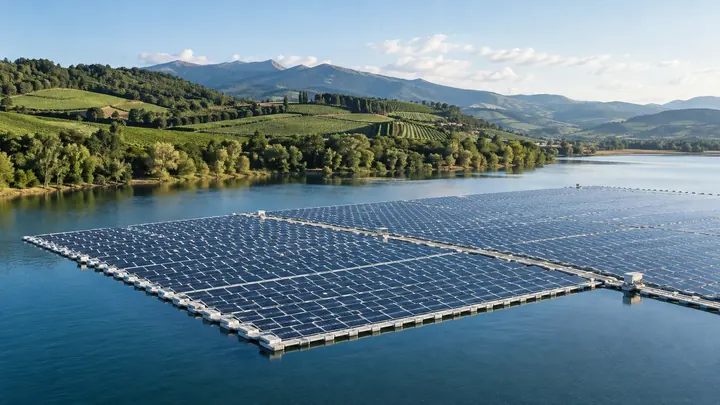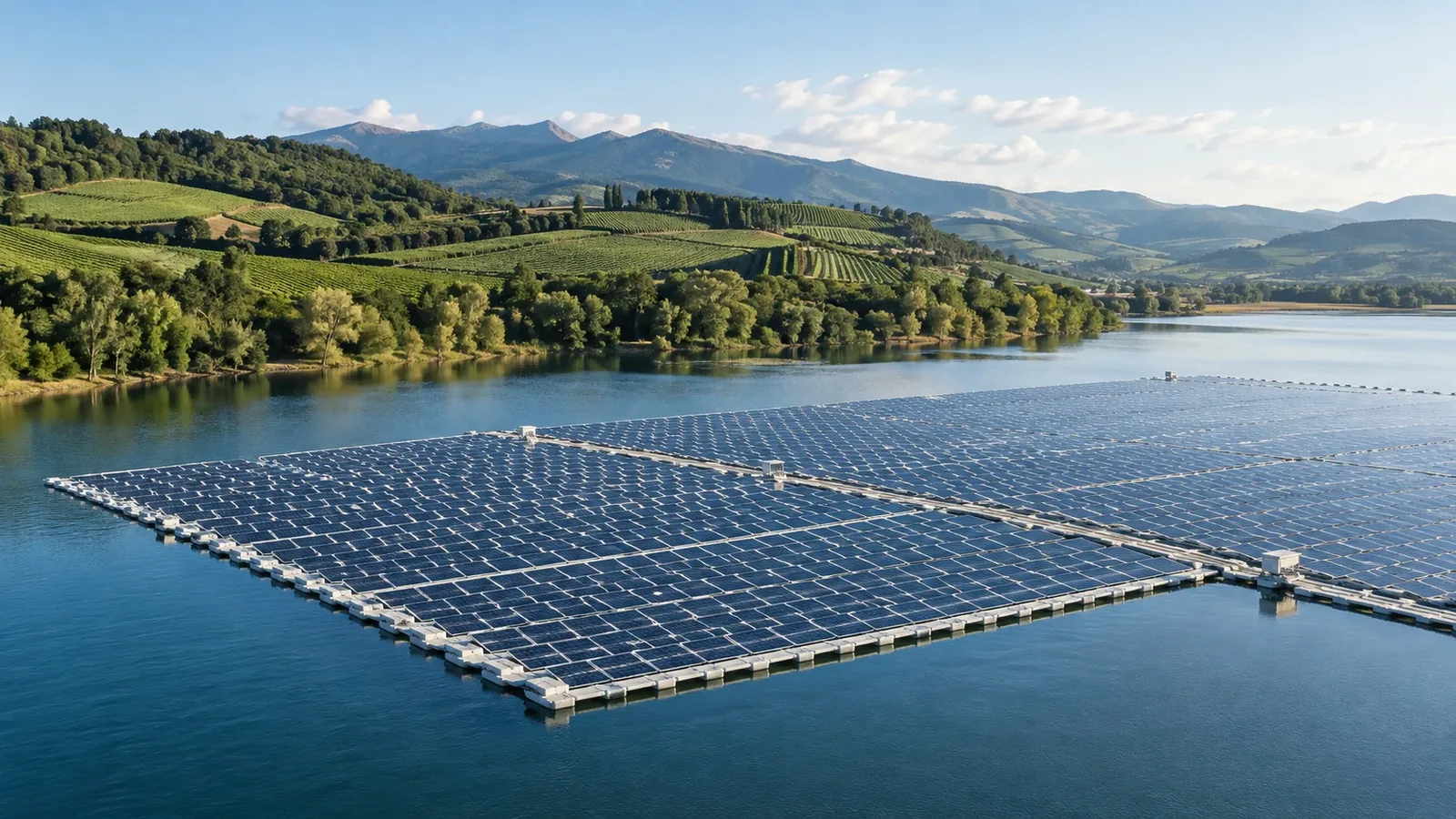
A floating-solar development can collect water samples during planning and then lose the connection between environmental observations and operating decisions. Monitoring deserves a continuing owner, an interpretable baseline and an agreed response process. The reservoir manager and energy operator should establish those arrangements before commissioning turns a temporary project team into separate organisations with their own priorities.
Preserve what the baseline represents
Record locations, timing, methods and relevant waterbody conditions with specialist advice on an appropriate programme. A baseline taken during one period cannot automatically represent the entire operating range. World Bank floating-solar material identifies possible water-quality effects as an area requiring attention. In a hypothetical reservoir, a later change could coincide with altered inflows or other activity as well as solar operation. Retaining context helps reviewers investigate plausible causes instead of treating every change as proof that the array caused harm or improvement.
Connect measurements with responsibilities
The operating agreement should identify who collects observations, interprets them and communicates findings to the relevant parties. Instrument or laboratory providers may supply data without holding responsibility for deciding what happens next. The waterbody manager may also have information unavailable to the energy operator. Establish a practical route for sharing relevant context under appropriate arrangements. A monthly report that reaches only the project archive cannot support an operating response, however sophisticated its charts or how closely the sampling schedule matches the original study document.
Define investigation rather than promise certainty
Qualified specialists should determine appropriate indicators and responses under the actual site requirements. The project should explain how an unexpected result is checked, what further evidence may be needed and who authorises action. This is a governance framework, not a universal sampling or treatment prescription. Keep provisional interpretations visible until investigation supports a conclusion. A hypothetical abnormal result may justify a repeat measurement or review of another activity, and the contract should allow that measured response rather than forcing either immediate blame or automatic dismissal.
Review the programme when conditions change
A revised waterbody use, changed array layout or new operating regime may require reassessment of monitoring. Retain a history of those changes so comparisons remain meaningful. DOE's PV lifecycle guidance supports continuing asset management; floating projects also need the environmental interfaces their location creates. The owner should evaluate monitoring by the decisions and investigations it supports, while publishing only conclusions justified by the evidence. This produces a more dependable record than counting samples alone or repeating a general claim that floating panels necessarily improve the condition of water beneath them. The reporting route should include a deputy, so the programme does not stop functioning when the original environmental coordinator leaves the project.