A payment programme may offer a virtual credential, a physical card or both. The instruments can share an underlying account while differing in their supported uses and controls. If both are developed, the customer should be able to understand their relationship without assuming that every action affects them identically.
Name the supported instrument
The product description should identify what the customer receives and how it can be used under the programme terms. A virtual credential displayed in an app is different from a physical card delivered through fulfilment. A device-wallet payment token can introduce another relationship again. The account screen should identify the relevant instrument without exposing more sensitive data than necessary. PCI SSC's payment-data framework provides important context for protecting account information. The programme needs to decide which details are shown, which require further authentication and how staff can assist without collecting full credentials through an ordinary support conversation.
Test a mixed-use example
Suppose a hypothetical customer uses a virtual credential for an online booking and later receives a physical card. The programme should explain whether the instruments share a spending balance, have separate numbers or require separate controls. The customer should not infer that activating the physical card automatically changes an existing online payment instruction.
The statement should identify which instrument was involved while preserving a coherent account view. This is especially helpful when one instrument is replaced or restricted. Support can then investigate the relevant activity without treating every transaction on the account as if it came from the same credential.
Make control scope visible
A freeze, spending limit or cancellation might apply to one instrument or a broader account relationship, depending on the design. The interface should say which. A customer who disables an online credential may still need to address a recurring merchant agreement separately. Conversely, an account-level restriction could affect several instruments at once. The provider agreements should define how those changes propagate and how the app receives confirmation. A clear hierarchy of account, instrument and device credential reduces contradictory states, such as one screen showing the account available while another correctly shows that a particular instrument cannot be used.
Avoid availability by implication
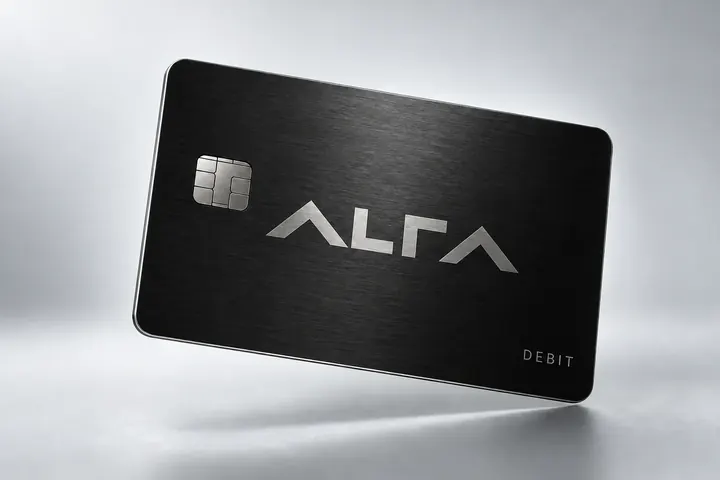
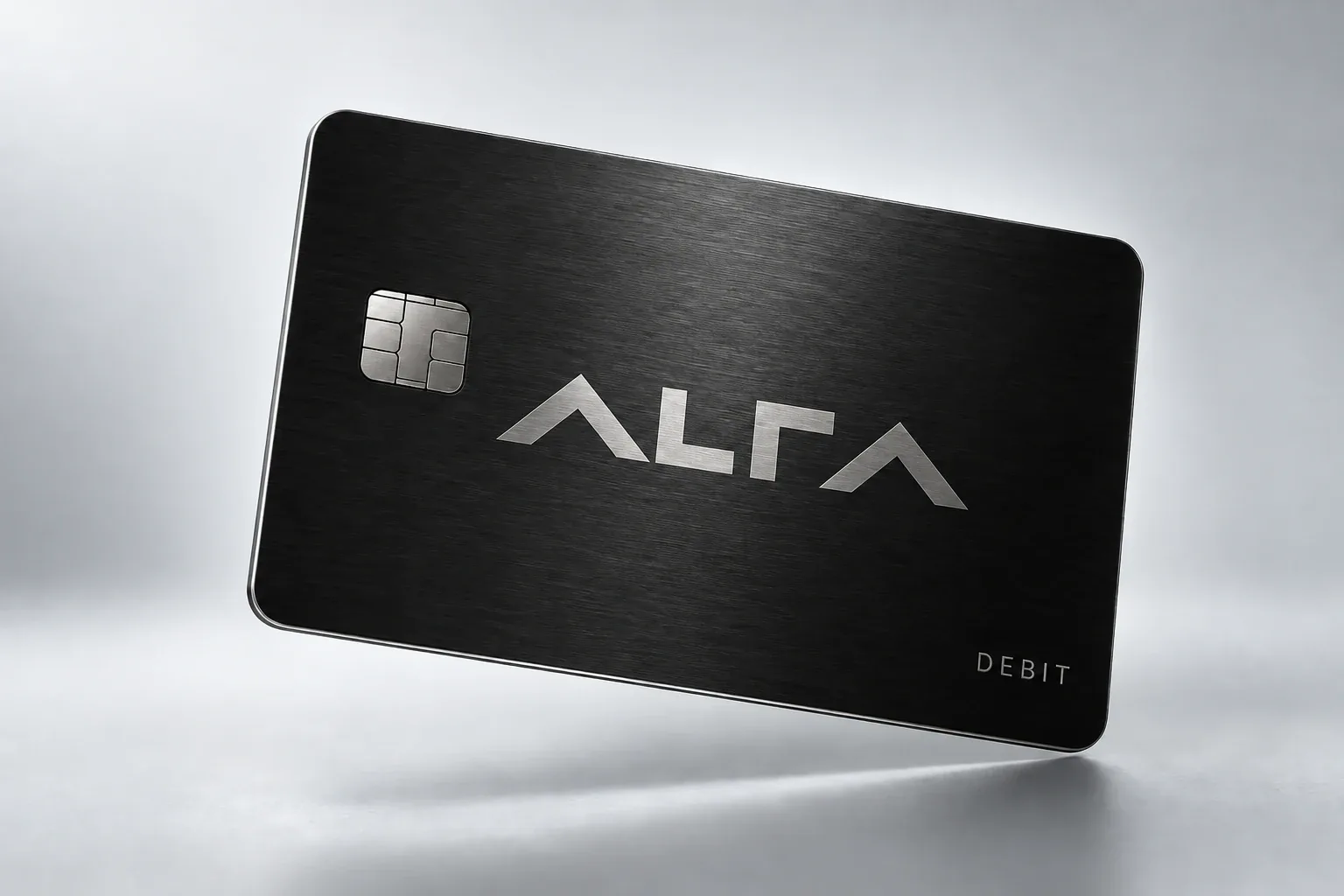
A polished virtual-card preview does not establish issuance, supported merchants, mobile-wallet support or a physical-card entitlement. The issuer agreement and account terms define the supported markets and functions for each ALFA Debit release. Future announcements should identify precisely which instrument is available and under which conditions. Operating reports should distinguish instruments created from accounts approved and transactions completed. That gives customers a truthful description of the product they can access and gives the programme a way to expand its delivery model without turning a new screen or piece of plastic into an unsupported claim about the whole service.