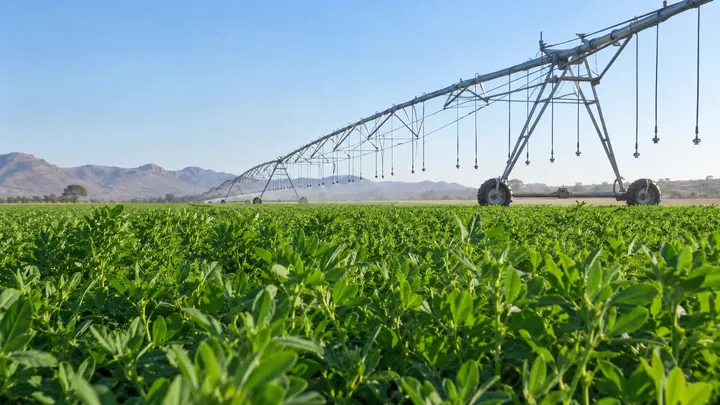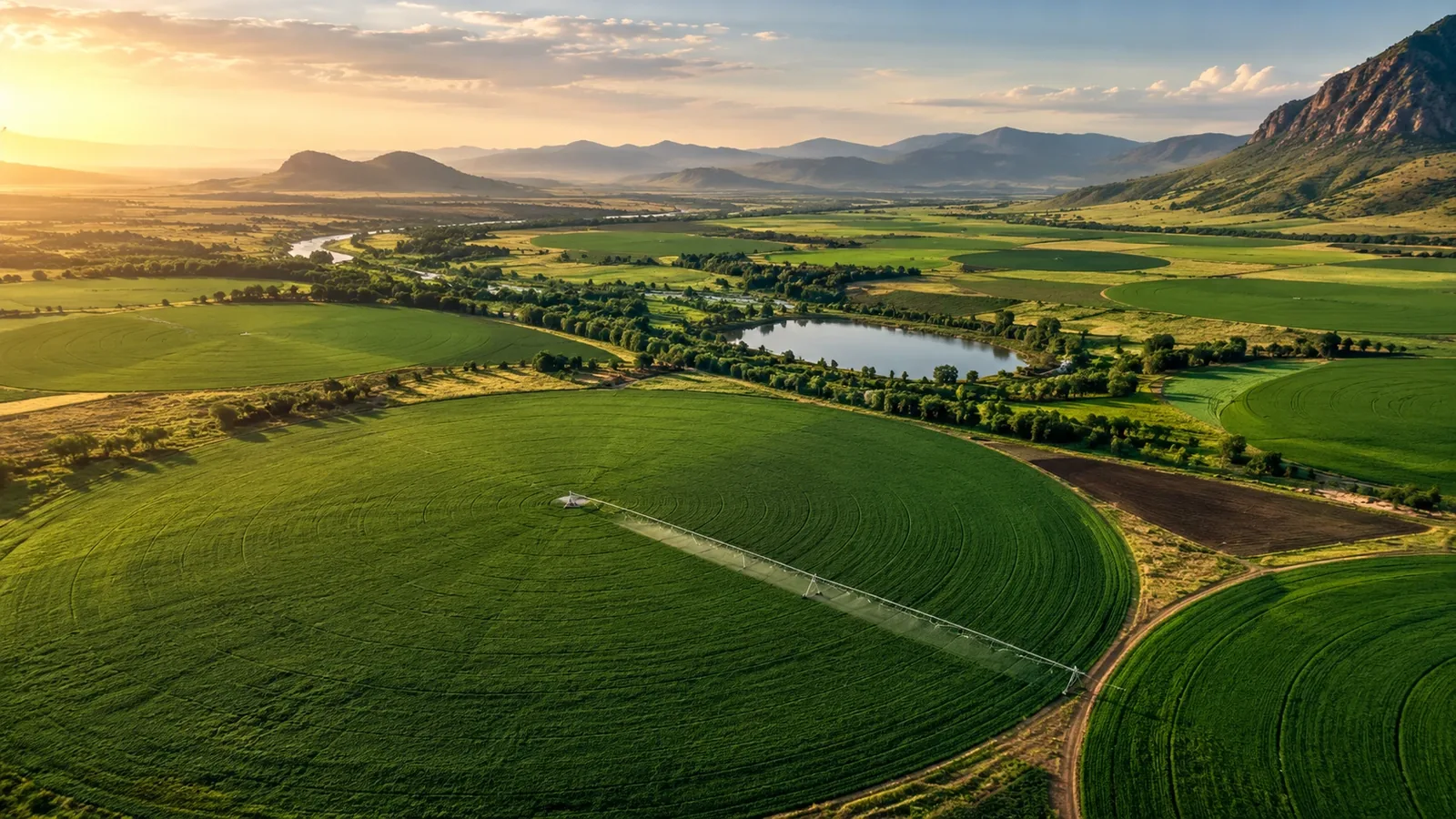
A machine may finish its assigned task on time while leaving a field harder to manage afterwards. Traffic decisions deserve their own place in the farm plan, especially when operations coincide with difficult soil conditions. The owner's choice concerns where equipment moves, when work proceeds and how the consequences enter the assessment of operating performance.
Follow the traffic pattern
Map repeated routes, turning areas, loading points and access between blocks. A field's exposure to traffic is not described adequately by counting machines. Different operations can repeatedly use the same area, while contractors may arrive with arrangements the farm did not anticipate. FAO's soil-management guidance recognises soil compaction as a management concern. A hypothetical farm might discover that recurring crop weakness follows an improvised loading route rather than a uniform fertility issue, changing both the investigation and the appropriate spending decision.
Set authority before a busy day
The operating plan should identify who can change routes or defer work when conditions differ from those expected. This does not require investors to prescribe technical thresholds; qualified farm specialists should determine suitable local rules. It does require contractors and supervisors to understand the same decision process. A contract that rewards only completed area may encourage a rushed operation even where the owner bears the later rehabilitation cost. The service specification should recognise field condition and agreed access requirements alongside timely completion.
Compare complete operating costs
An alternative route can add travel or handling time while avoiding a problem elsewhere. Assess that trade-off explicitly, including any loss of workable area, access repairs and subsequent field treatment. A more expensive operation may prove cheaper over the whole season, but that conclusion needs evidence rather than assumption. Record the chosen approach and its rationale. When a contractor offers a lower rate, the farm can then compare the full service instead of accepting a quote that transfers an unpriced soil or access obligation back to the owner.
Keep the evidence local
Observe the affected areas through the crop cycle and compare them with suitable reference areas. Soil assessment should be undertaken with appropriate expertise, since a visible track alone does not quantify its agronomic consequence. Photographs, route records and field observations can help explain what happened without pretending to establish a universal recovery period. The resulting operating history improves future decisions about equipment, access and contractor terms. It also helps the owner distinguish a recurring management problem from a one-off disruption before committing capital to a larger machinery fleet. Contractor briefings should include the map itself, since a written access obligation is less helpful when visiting drivers cannot recognise the intended route.