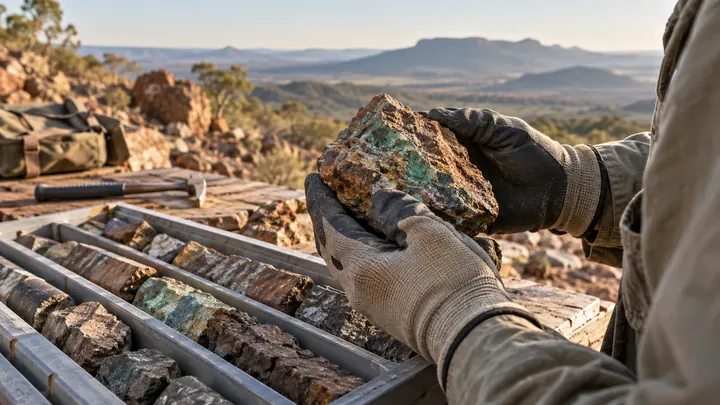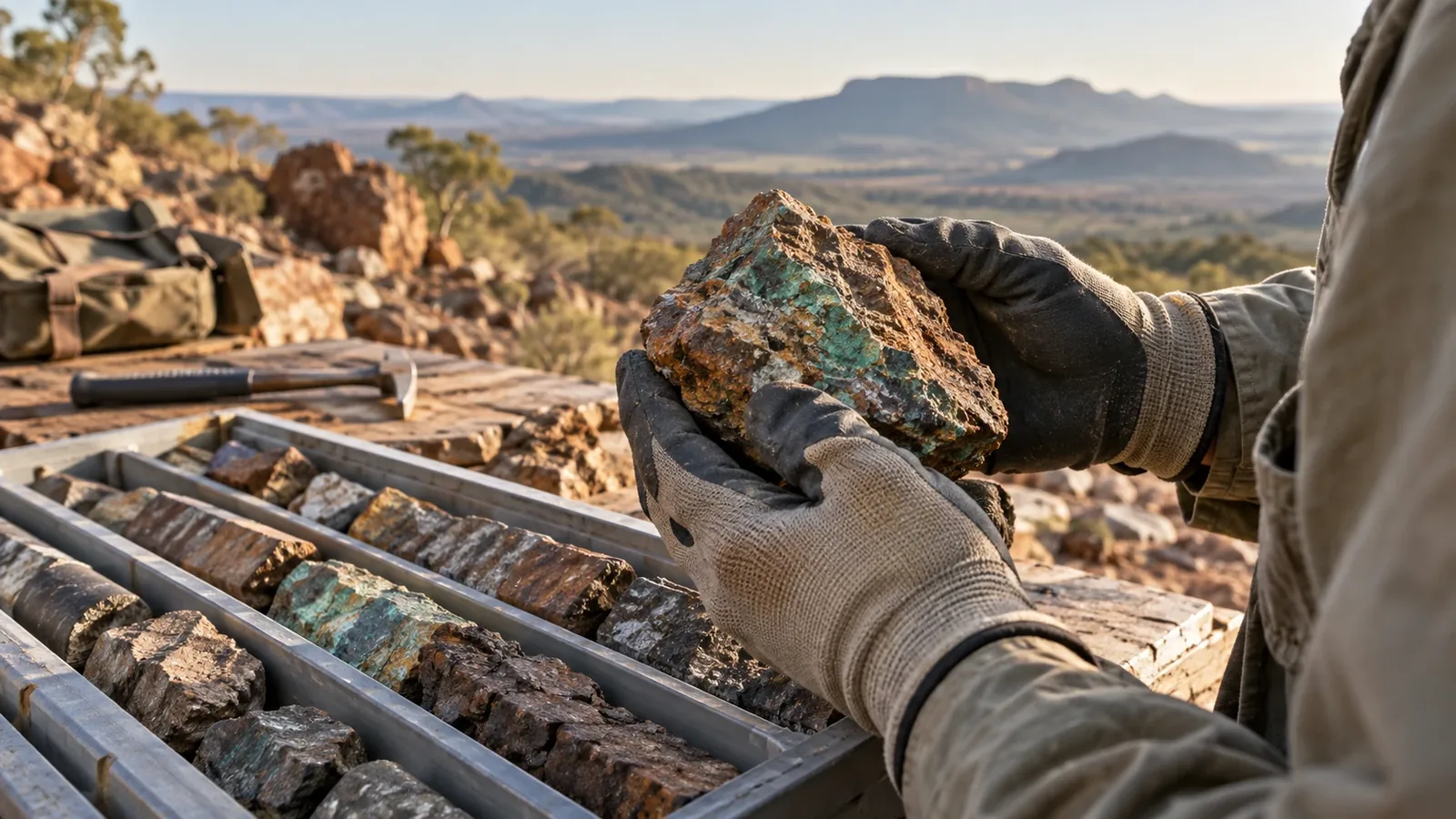
Srimaan Resources’ Zambia programme reports a graphite bench test alongside other mineral work. The published figures are precise: a 250 kilogram sample, 95.64% fixed carbon and 91.3% recovery. For a prospective project partner, the decision is what additional evidence would make that result relevant to a processing design or a customer specification.
Keep the reported boundary intact
ALFA’s whitepaper labels the graphite figures as sample-specific laboratory results. It expressly says they are neither plant performance nor battery-grade certification. That boundary belongs beside the figures every time they are used. The source provides a technical observation from the stated test, with no demonstrated basis for applying it across an entire future production schedule.
The first owner question is how the sample was selected. A reviewer needs its location, geological domain, preparation history and relationship to the material a mine plan might deliver. A larger sample does not automatically solve representativity.
Examine the process behind the percentage
Recovery describes a relationship between the material entering a particular test and the material recovered under its conditions. It should be read with the full mass balance, feed properties and product analyses. A headline percentage cannot show how a process responds when feed composition changes.
The sponsor should make the flowsheet, test conditions and repeatability available to appropriate reviewers. Follow-up work can test contrasting material and realistic operating conditions. Decisions about equipment, water treatment and energy requirements should follow that programme rather than simply inherit the best bench outcome.
Ask the customer a product question
A graphite customer needs a defined product, with the relevant chemical and physical characteristics and a consistent method of verification. Fixed carbon is one part of that discussion. Product qualification requires specifications and testing agreed with the intended market; a general reference to batteries does not supply those requirements.
For an investor, the commercial question is whether there is evidence connecting the proposed product to an actual purchase specification. A sample submission, a technical conversation, a qualification campaign and a binding purchase obligation each represent a different stage.
Use the result to commission the next test
A helpful follow-up brief separates resource definition, processing variability and customer qualification. It names the samples needed for each task, the laboratories or specialists responsible, and the acceptance criteria for further spending. The JORC framework’s treatment of representative data and metallurgical assumptions offers a reporting reference, without implying that Srimaan has reached a reserve stage.
For the owner, this approach makes a promising result easier to defend. The test remains visible, its limits remain explicit and the next expenditure has a specific purpose. For the investor, the relevant progress is the distance between one successful experiment and a repeatable, saleable product under an engineered operating plan.