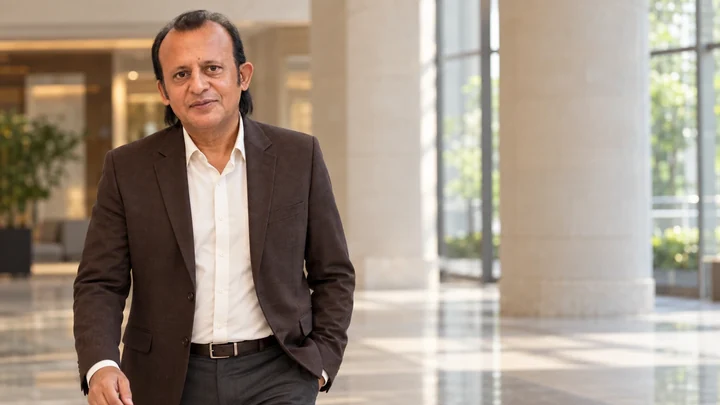
Diversification can mean more than owning several types of equipment. Rajeev Khandelwal's family-office background spans solar, property, digital commerce and recycling, exposing a wider variety of operating models. In energy, a similarly useful distinction separates projects by the customers they serve and the work they support, even when their generation technology looks comparable.
Technology is only one classification
A rural irrigation load, a processing plant and a commercial building do not use power in the same way. Their schedules and tolerance for interruption differ. Grouping projects only by generation technology can obscure these operating distinctions and encourage assumptions that do not travel well from one customer setting to another. World Trade's published approach considers the target market and the assumptions behind a business. Those criteria are relevant when comparing energy customers with different schedules and service needs. They direct attention toward the operating setting rather than treating every installation of the same technology as an interchangeable project.
Learning needs a boundary
Experience from one installation can improve another when the conditions are comparable. The team should identify which lessons transfer and which depend on a particular customer or location. This makes expansion more disciplined than copying the full design of an earlier project simply because its equipment performed well in a different environment.
Support can be shared selectively
Procurement, monitoring and technician training may benefit from coordination across projects. Some site decisions should remain local. A practical platform distinguishes shared capability from responsibilities that require direct knowledge of the customer, allowing scale without erasing the differences that determine the quality of service delivered at each individual location.
Diversification with understanding
Rajeev's family-office history spans several business sectors, and World Trade describes a long-term investment approach. In energy, that perspective supports a portfolio understood through its operating variety. The central question is how different projects strengthen the organization's knowledge and resilience while still receiving the specific attention their customers and sites require.