
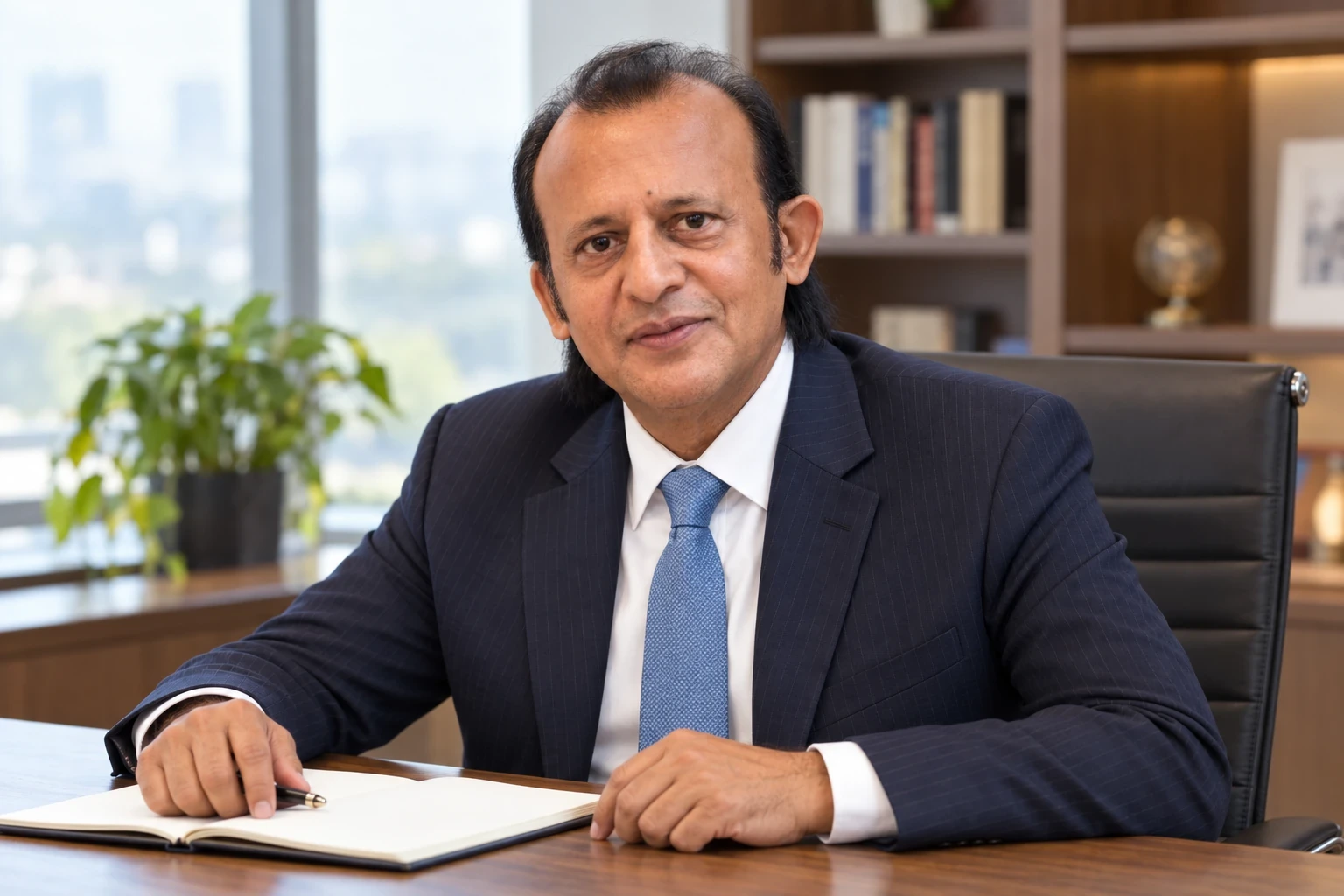
A transaction finishes on a date; an enterprise carries responsibilities beyond it. Rajeev Khandelwal’s founding of World Trade Group in 2004 provides a documented starting point for examining that difference. The group’s current description as a multi-family office places continuing business development, rather than a single event, at the centre of its identity.
The significance of an institution
Creating a company gives an investment perspective somewhere to accumulate. Relationships, business knowledge and evaluation methods can survive the completion of one assignment. That possibility is the institutional importance of the founding milestone. It identifies a deliberate commitment to building a platform through which opportunities could be considered over time, with the organisation retaining a continuing interest in the businesses and relationships around its investment perspective.
A durable purpose needs boundaries
Longevity alone is not a business strategy. A lasting platform needs to explain the activities it understands, the partners it can serve and the responsibilities it accepts. World Trade’s published focus on business investment provides that frame. Its greenfield and brownfield interests describe different routes into enterprise development, with different demands on the people and judgment required to support them.
What can accumulate
The most useful accumulation may be knowledge of how an enterprise changes between presentation and operation. Promoters improve or struggle, markets evolve and initial plans meet customer behaviour. An institution can retain those lessons without treating yesterday’s answer as a universal rule. The challenge is to preserve experience while allowing the current business to be examined on its own evidence.
An achievement with continuing obligations
World Trade’s creation is a concrete part of Rajeev’s journey. Founding a platform creates continuity of attention, a recognisable point of contact and a place for specialist capabilities to connect through a continuing organisation. For someone approaching the wider ALFA ecosystem, that history supplies context for a business conversation. The next step remains understanding the particular enterprise and the role each platform would play.


