
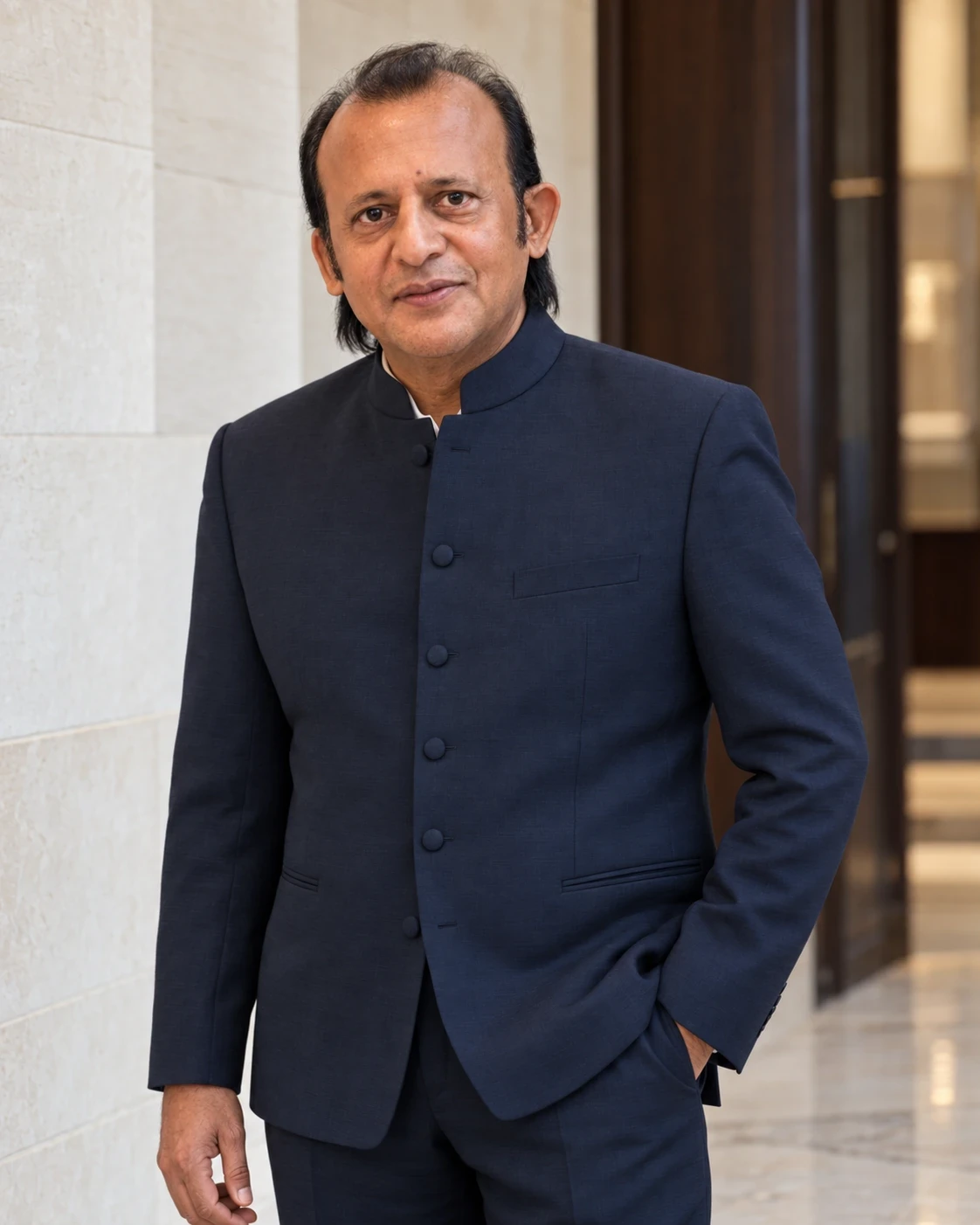
Aviation innovation often begins with an aircraft, but implementation reaches into infrastructure, training and operating systems. Rajeev Khandelwal’s professional landscape connects aviation alliances with renewable-energy interests, while Aerosphere identifies sustainable aviation among its priorities. The ecosystem opportunity lies in bringing the right disciplines together around the specific requirements of a programme, rather than treating sustainability as a single interchangeable technology.
Different pathways create different needs
Electric aviation, alternative fuels and efficiency improvements involve different operating questions. A platform should describe the pathway under discussion and identify the relevant specialists. This keeps the public narrative precise and helps potential partners understand whether their expertise applies. A shared sustainability objective can provide strategic direction, but the practical work still needs a defined technical subject and a clear account of the infrastructure required to support it.
Infrastructure must match the operating pattern
A facility’s needs depend on how the aviation service will actually be used. Training, specialist missions and other activities can create different demands. The aviation operator should therefore help define the requirements that energy and technology partners examine. This is a concrete interface where ecosystem coordination can add value: it brings the operating pattern into the infrastructure discussion before assumptions become embedded in separate plans or public commitments.
Training belongs in the transition
New systems can change the knowledge and procedures required of staff. The transition plan should identify those implications rather than assume that technology adoption ends with equipment procurement. Aerosphere’s combination of training, digital and asset-related divisions provides a relevant institutional setting for such coordination. Coordinating those disciplines helps operators connect equipment selection with the skills, ground systems and operating procedures that each new service requires before it can enter regular use.
Connection makes the ambition more practical
Rajeev’s cross-sector background gives the ecosystem a broad perspective on sustainable aviation. Its practical contribution is to make specialist collaboration easier around a defined programme. A clear record of requirements, responsibilities and readiness steps can turn a general ambition into a more useful institutional conversation. The result is a story about coordinated capability, with the aviation purpose remaining central as energy and technology partners contribute their expertise.


