
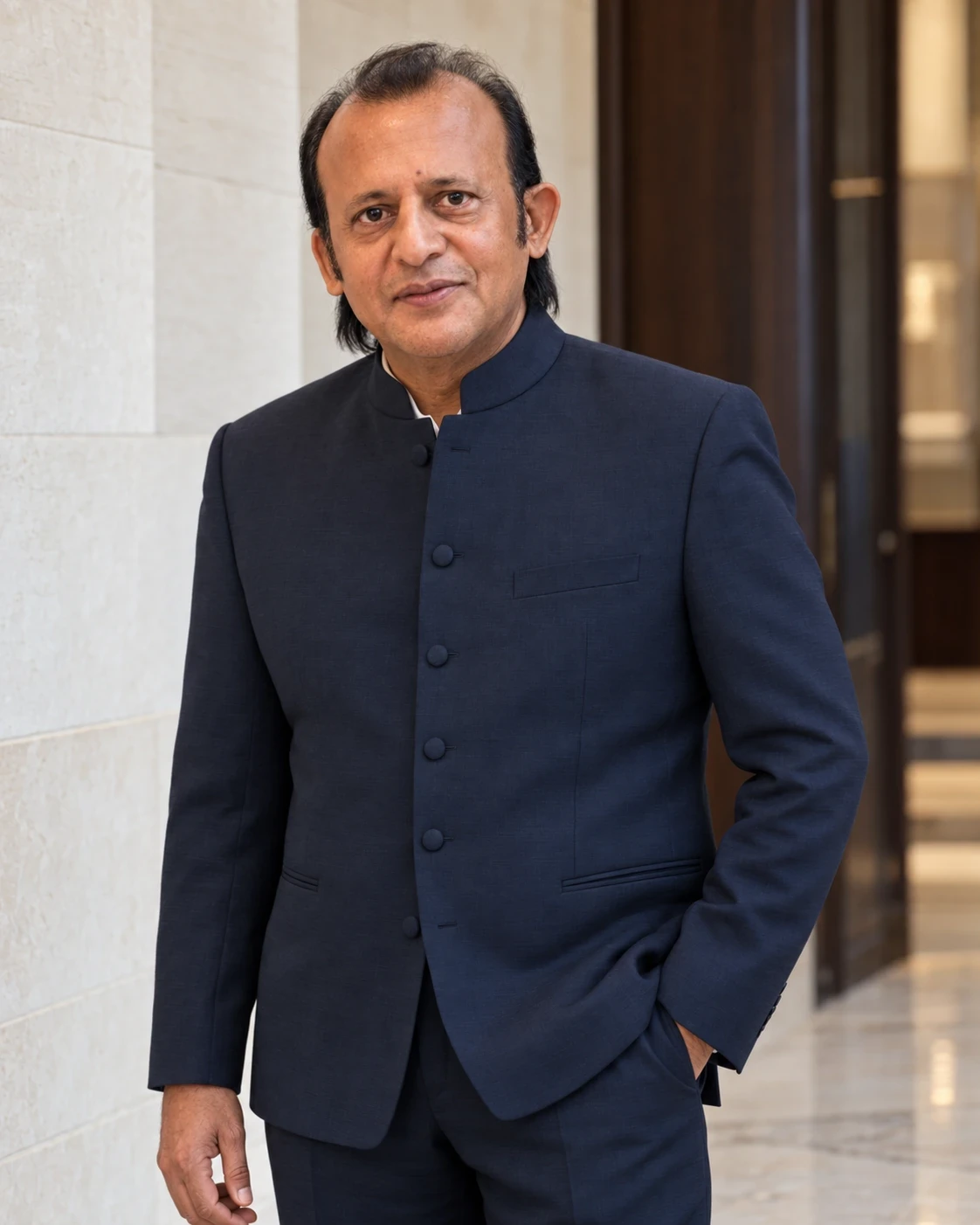
Rajeev Khandelwal’s professional profile spans essential infrastructure as well as aviation alliances. The connection becomes clear at the airfield, where aircraft rely on facilities, access and supporting services. A fleet-development programme may attract attention through equipment, yet its practical capacity depends partly on whether the surrounding ground arrangements fit the activity that customers and operators expect to carry out.
A location has operating consequences
Distance from students, customers and support providers affects how an aviation business is used. A convenient facility may improve access while creating different cost pressures from a more remote location. The analysis should therefore connect location with the customer journey and the operating schedule. Treating the airfield simply as a line in a property budget can miss its influence on demand and daily coordination.
Facilities need a defined purpose
Classrooms, maintenance areas and parking space support different activities. Their value depends on whether they suit the actual fleet and service model. Expansion plans become clearer when each facility is linked to a specific constraint or customer requirement. This prevents infrastructure spending from becoming an architectural exercise detached from the business, and it helps counterparties understand why a particular investment belongs in the development sequence.
Access arrangements deserve attention
An operator’s ability to use facilities rests on agreements and the relevant operating arrangements. That introduces duration, availability and cost questions that may differ from the life of the aircraft itself. Rajeev’s financial-structuring background provides context for examining these dependencies together. A long-lived asset is easier to finance coherently when the infrastructure it relies upon has a credible route to continued availability over time.
Infrastructure completes the picture
Aerosphere’s platform includes infrastructure development within its aviation-assets scope. In Rajeev’s wider story, this connects aircraft investment with the essential systems that make equipment useful. The practical implication is to assess the fleet and its operating base as related parts of one business. Their economics remain distinct, but their interaction can determine whether the wider programme develops into dependable service capacity for its intended market.


