
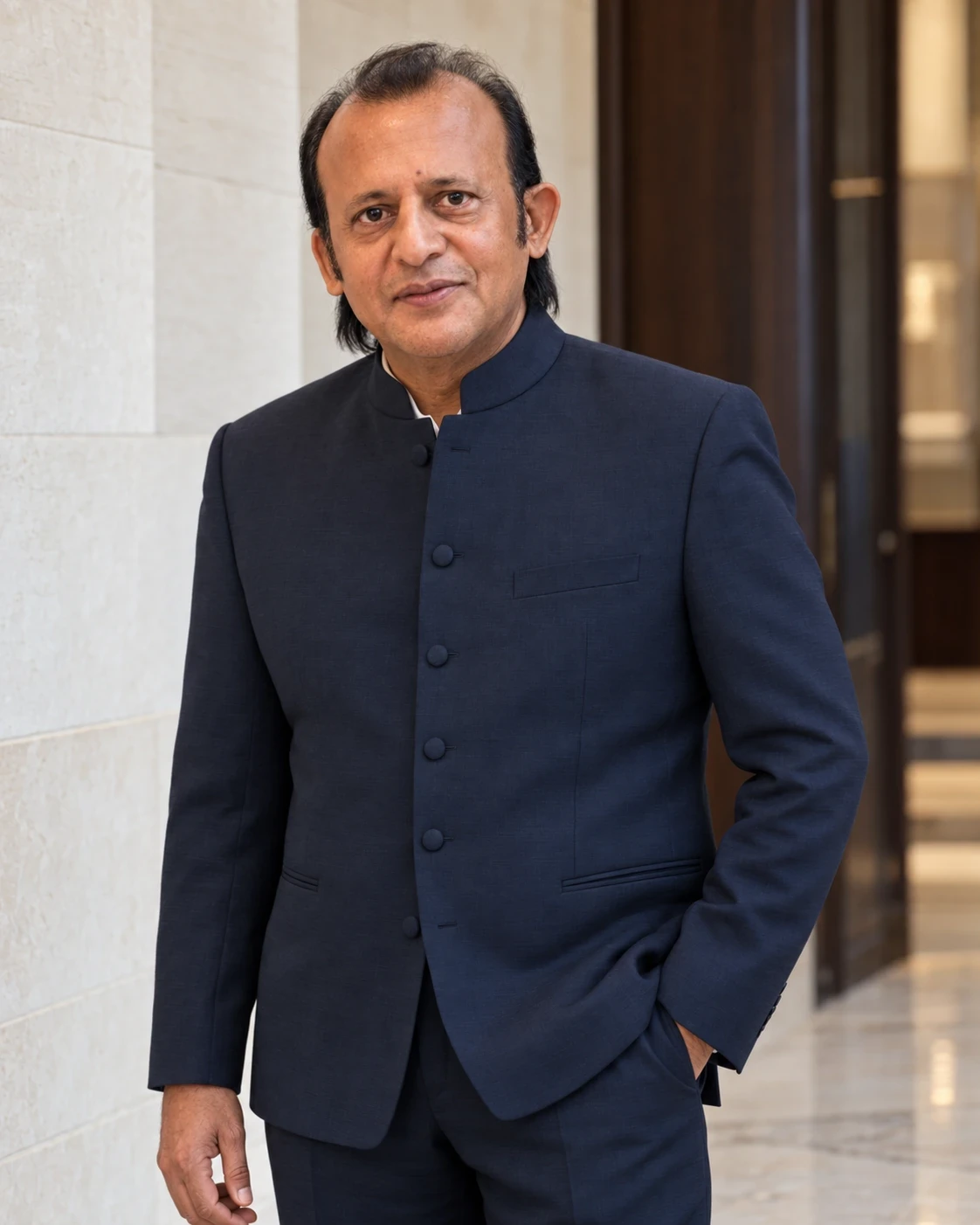
Selling an asset while continuing to use it can release capital that was previously tied up in ownership. Rajeev Khandelwal’s documented structured-finance and operating-business background makes that exchange relevant to his wider professional story. The transaction does not create free cash without consequences. It converts an owned asset into a relationship that requires regular payments and continuing compliance with lease conditions.
Understand the use of proceeds
The strongest commercial case identifies what the released cash will achieve. Funding a productive expansion differs from covering recurring operating losses. If the company sells a core asset merely to support an unchanged loss-making model, the new lease payment can deepen the underlying problem. Management needs a credible explanation of how the transaction improves future cash generation, not simply the current bank balance.
Compare the full operating cost
Rent is only part of the ongoing commitment. Maintenance, insurance, replacement obligations and end-of-term conditions can remain with the user. The analysis should compare those costs with continued ownership over a realistic period. An apparently generous sale price may be offset by restrictive lease terms or expensive future adjustments, especially when the asset is difficult to replace without interrupting the business.
Protect strategic flexibility
A business may need to expand, modify or relocate the asset during the lease term. The transaction should allow a workable process for those changes. This matters for specialised plants and aviation equipment, where alterations can be central to commercial performance. Management should also understand what happens at expiry, including purchase options, return requirements and the availability of substitute capacity if renewal is unattractive.
Liquidity has a future price
Credit Connect’s financing disciplines and Rajeev’s asset-oriented career context help place sale and leaseback within a broader capital conversation. The useful question is whether cash released today earns more commercial value than the obligations accepted tomorrow. A complete decision follows both sides of that exchange through the operating plan, giving the immediate liquidity benefit an honest long-term economic context.


