
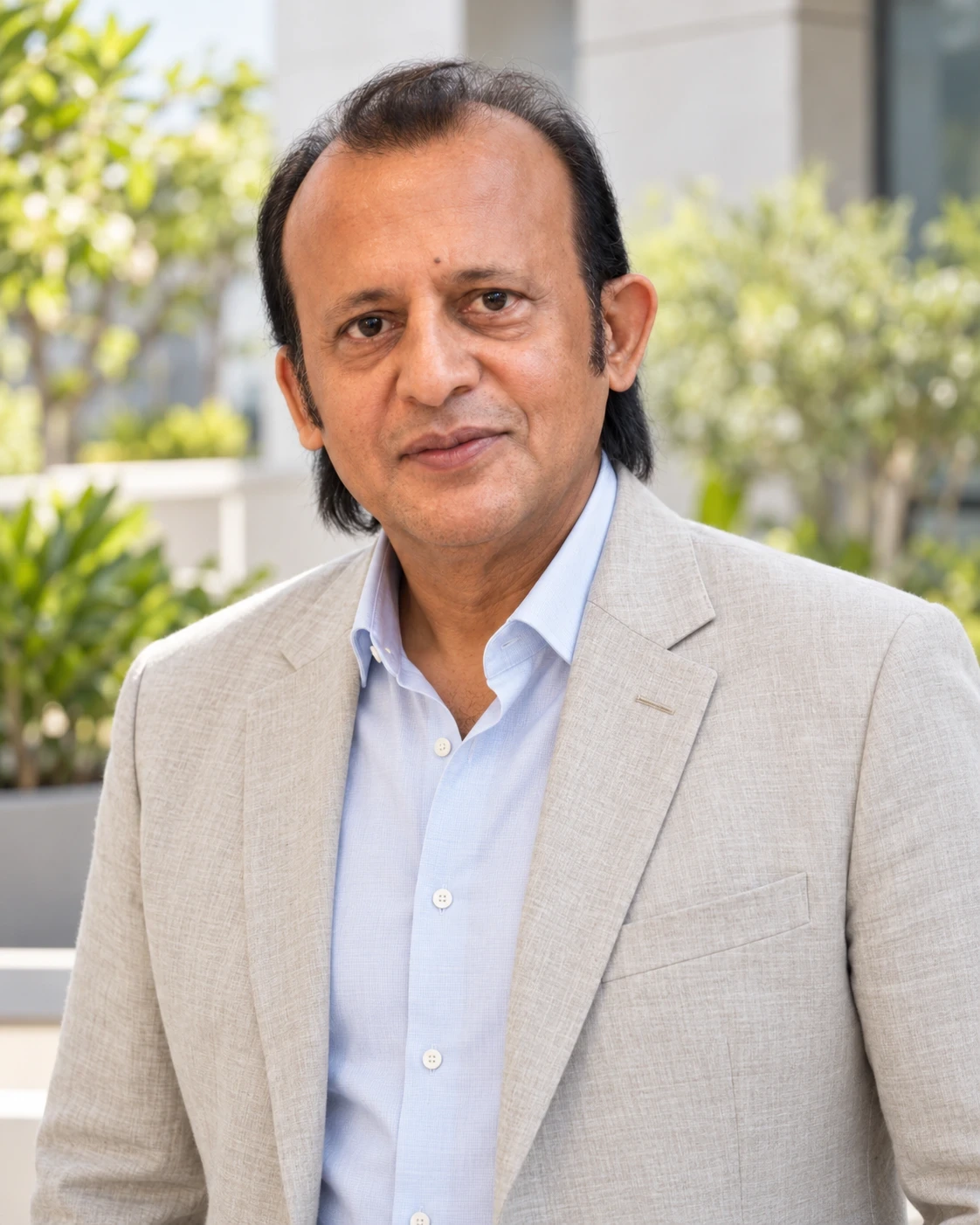
Rajeev Khandelwal’s portfolio spans several essential services whose future use must be estimated before all operating evidence is available. Healthcare, housing and water projects each need a view of demand, but a forecast is a planning tool rather than a guaranteed outcome. His financial-structuring background gives this issue a practical context: the capital commitment should be considered alongside the range of service patterns the institution may encounter.
The starting assumptions need substance
Population, existing services and access conditions can all influence demand, but their relationship to actual use requires explanation. A broad market figure does not automatically become a facility’s customer base. The commercial assessment should connect the forecast with the service being offered and the route through which people or institutions will use it. This makes the estimate more understandable and identifies which assumptions have the greatest influence on the investment case.
Capacity can be developed in stages
Where the undertaking allows it, a phased approach can connect expansion with observed use and institutional readiness. That does not remove uncertainty, but it can change the timing of commitments. Rajeev’s project-finance experience is relevant to examining whether the physical design and commercial structure preserve such options. The useful question is how the programme can respond to information gained during operation without undermining the service responsibilities already established with users or public institutions.
Low and high demand create different pressures
Less use than expected can affect revenue, while greater use can strain staff and equipment. A balanced plan considers both possibilities. This avoids treating only one side of uncertainty as commercially important. The institution needs resources and decision processes suited to the service it may actually face, with the implications for operating cost, quality and future investment understood before the forecast is used to support a fixed funding or capacity decision.
A finance perspective on uncertainty
Demand scenarios give Rajeev’s essential-service landscape a concrete planning discipline. Partners can compare the resources required under different patterns of use and identify the assumptions worth testing first. That produces a more useful conversation than debating a single optimistic forecast. The investment structure can then be assessed through its ability to support the institution across plausible outcomes, keeping the public-service purpose and the practical limits of available resources visible throughout the development and operating journey.


