
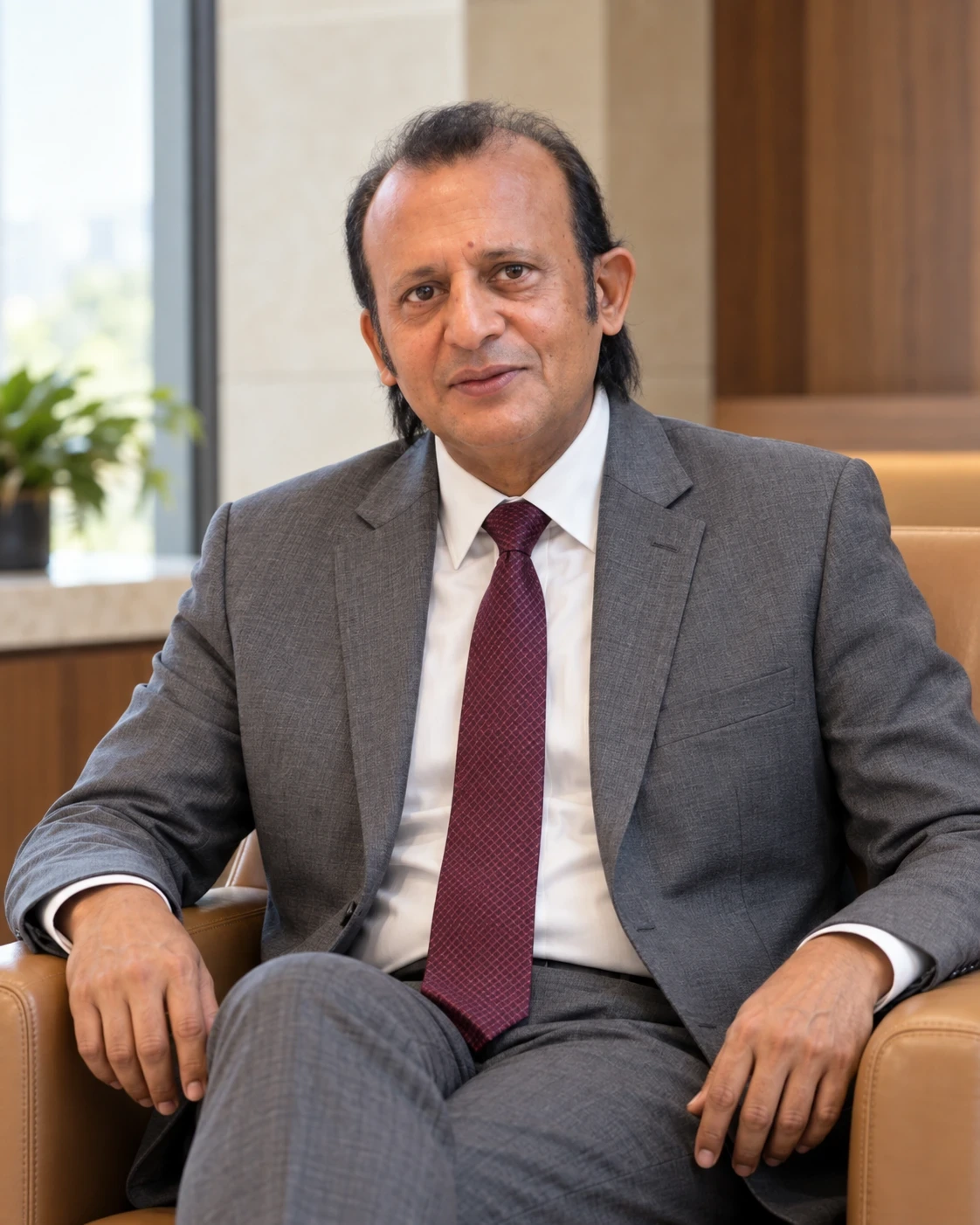
A portrait creates recognition before a reader reaches the first paragraph. Rajeev Khandelwal’s approved imagery gives the ecosystem a personal connection across articles about enterprise, advisory work and institutional collaboration. The editorial opportunity is to use that presence thoughtfully, allowing photographs to introduce the professional while evidence and accurate attribution carry the account of his work and achievements.
Match the image to the editorial purpose
An office portrait can suit a discussion of professional judgment; a broader environmental image may support an article about international perspective. The match should feel natural without implying that the photograph documents a particular transaction or event. This distinction allows the publication to use strong imagery confidently while avoiding a visual claim that the accompanying evidence does not establish about the setting or the activity being discussed.
Preserve identity consistently
A series of articles benefits from recognizable treatment of the person’s image, name and professional role. Consistency helps readers understand that they are following the same investment banker and entrepreneur across several themes. It also reduces confusion with unrelated namesakes. The design should preserve the integrity of the approved photograph and avoid edits that change identity or create the appearance of an event that did not occur.
Let captions carry useful context
A caption can identify the person and the editorial purpose of the image without becoming a promotional claim. If the image is a portrait, describing it as a portrait is sufficient. Project imagery should retain its own context. The publication does not need to use every photograph as evidence of scale or access; visual presence and documentary proof serve different roles and can coexist within a polished editorial page.
A human connection with editorial discipline
Rajeev’s professional landscape has enough substantive material to support a strong visual narrative without invented scenes or implied endorsements. The portrait can make a complex ecosystem more approachable, while the text connects readers with the institutions and disciplines behind the story. That balance creates a publication that feels personal and professional at once, using imagery to establish recognition and writing to explain the work.


