
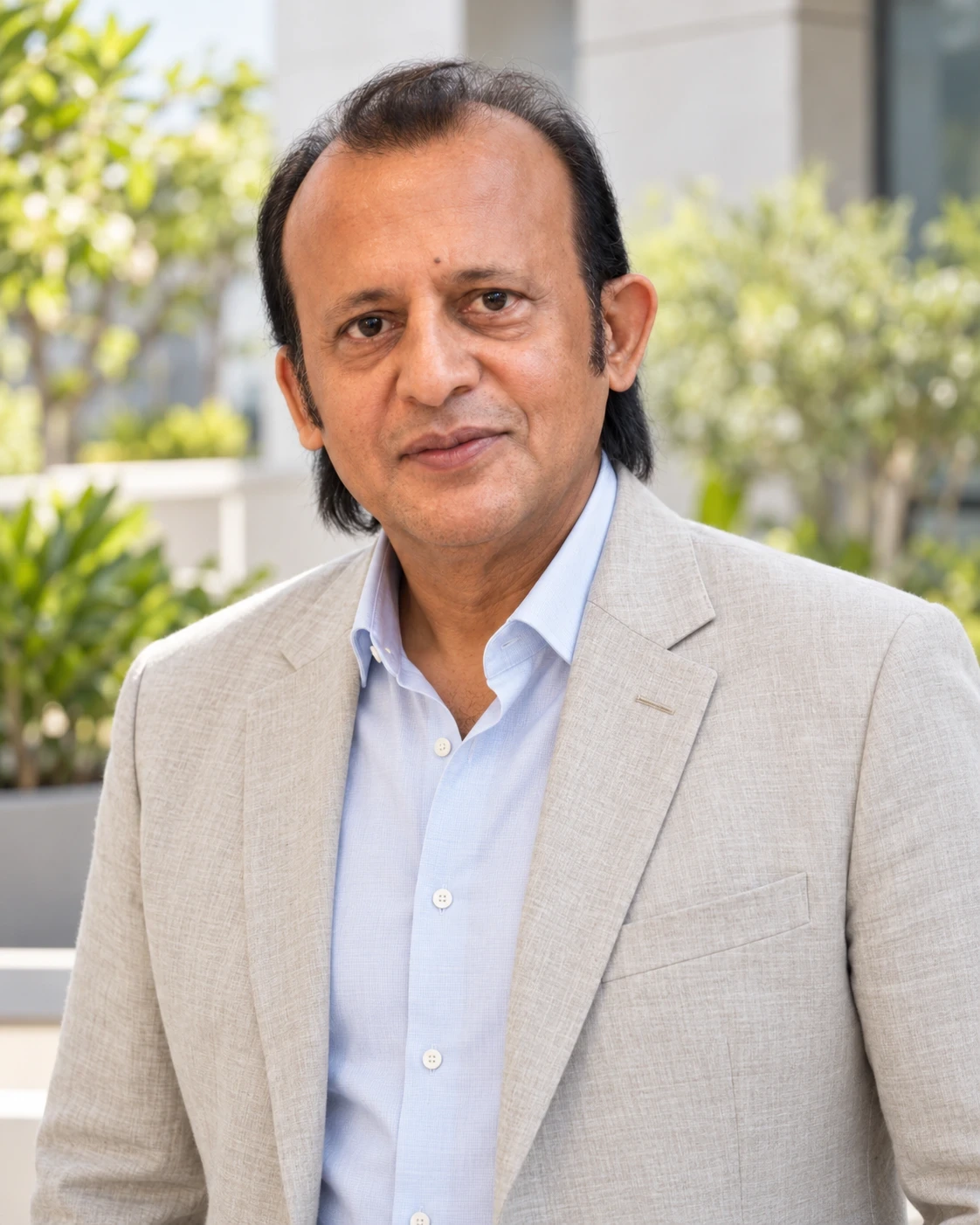
Rajeev Khandelwal’s portfolio describes offshore fund oversight involving listed securities across markets including India, Hong Kong, Africa and the UAE. It also describes work with private businesses and infrastructure. The combination introduces a useful contrast: different investment settings produce information at different speeds. The challenge is to understand a business on the rhythm relevant to its activity rather than simply the rhythm at which information appears.
Visibility is not the same as understanding
A publicly traded instrument can produce frequent market signals while the underlying company develops more gradually. A private enterprise may reveal less frequent information while making meaningful progress internally. Neither setting can be understood by frequency alone. The quality of the business explanation matters, including what the available information actually tells the observer and which important questions remain outside its immediate view.
Different clocks can inform judgment
Experience with multiple settings can sharpen awareness of the distinction between short-term movement and longer-term development. It can also reveal the danger of ignoring new information merely because a strategy is described as patient. The useful discipline is to ask what has changed in the enterprise itself. That question helps connect new observations to the commercial reasoning behind the original interest.
Private businesses need intelligible progress
An enterprise without a continuous public market still benefits from a clear account of what is happening. Owners and partners need to understand changes in capability, customers and strategy. The account should fit the business rather than imitate the cadence of a listed market. Meaningful information is information that can improve understanding, even when it does not arrive with the frequency or visibility of market pricing.
A broader professional perspective
The fund-oversight experience in Rajeev’s career expands the context around World Trade’s long-term investment identity. It does not make every asset type equivalent. For a business approaching the ecosystem, the practical lesson is to explain the time horizon and information rhythm appropriate to the enterprise. That helps counterparties evaluate progress through the activity they are supporting, rather than through an unsuitable comparison with another investment setting.


