
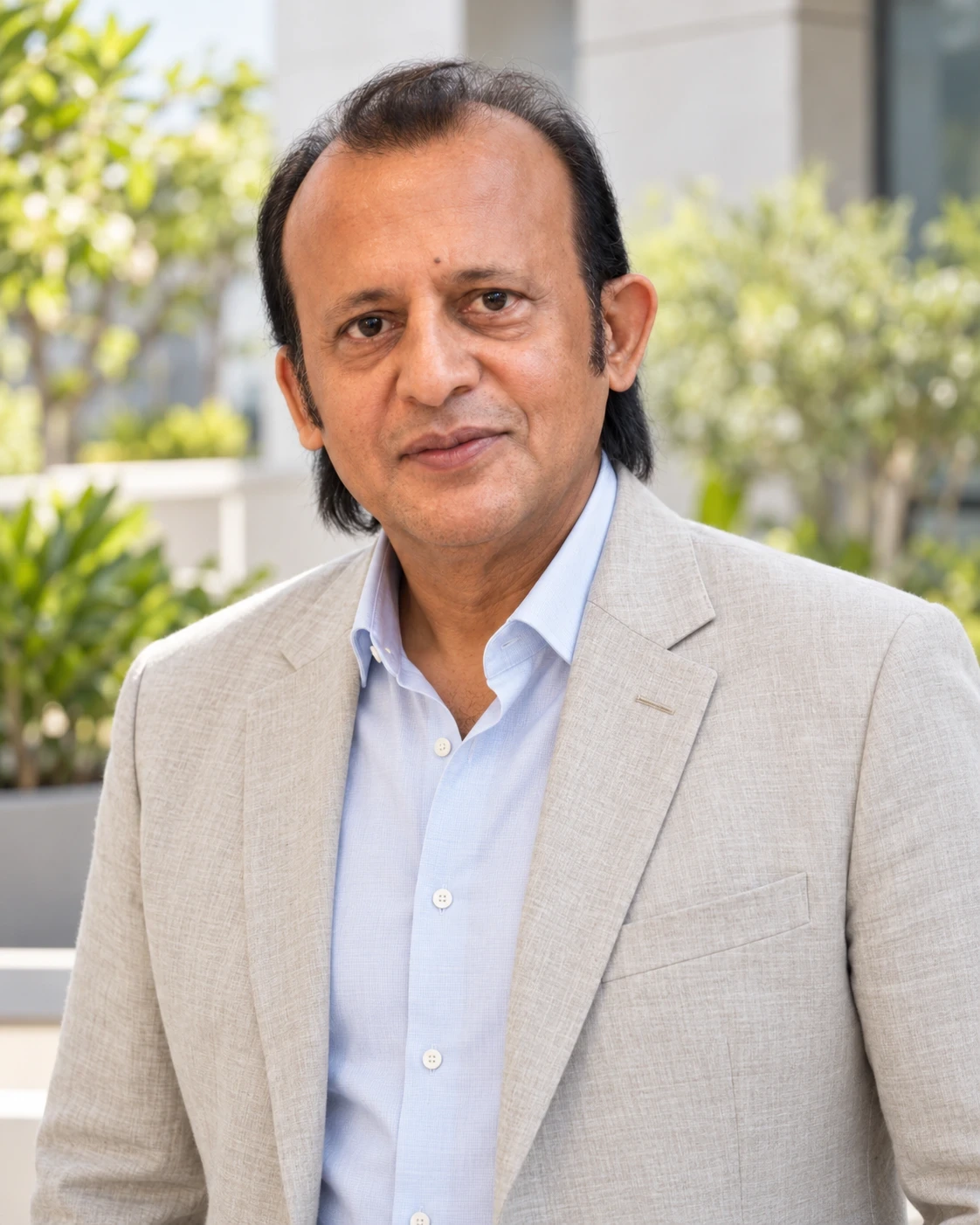
A meeting involving investment, operations and digital teams can generate enthusiasm without resolving anything. Rajeev Khandelwal’s ecosystem brings those disciplines into the same professional landscape. A more useful meeting begins with a bounded question: what decision is needed, who has authority to make it and what information would allow the group to move forward with confidence?
Prepare the decision before the presentation
A presentation should support a decision rather than become the meeting’s purpose. The organizer can state the choice, the available options and the unresolved issue in a short advance note. Participants then arrive with a clearer understanding of their contribution. This is particularly helpful across specialist platforms, where different people may otherwise assume that the meeting concerns strategy, technical review or a commercial commitment without realizing those expectations differ.
Invite the knowledge the question needs
The right attendee list follows the decision. A technical question needs the relevant specialist; a resource commitment needs the responsible decision maker. Seniority alone does not guarantee that the necessary information will be present. A smaller meeting with the right roles can be more effective than a broad gathering in which everyone recognizes the strategic importance but nobody can answer the practical question that is delaying progress.
Record the unresolved point honestly
Some meetings should end without a final decision because important evidence is missing. That can still be a productive outcome if the missing information and next owner are explicit. The minutes should distinguish decisions, recommendations and open issues. This prevents the discussion from being retold later as an approval and gives the team a precise account of what must happen before the matter can return for consideration.
Meeting quality shapes institutional pace
Rajeev’s documented advisory background provides a relevant context for coordinated decision making. The ecosystem’s breadth becomes more useful when meetings convert expertise into clear actions. Over time, disciplined preparation and records can reduce repeated conversations and preserve institutional memory. The result is a professional environment where progress is visible in the decisions made and questions resolved, rather than measured primarily through the number of introductions or meetings held.


