
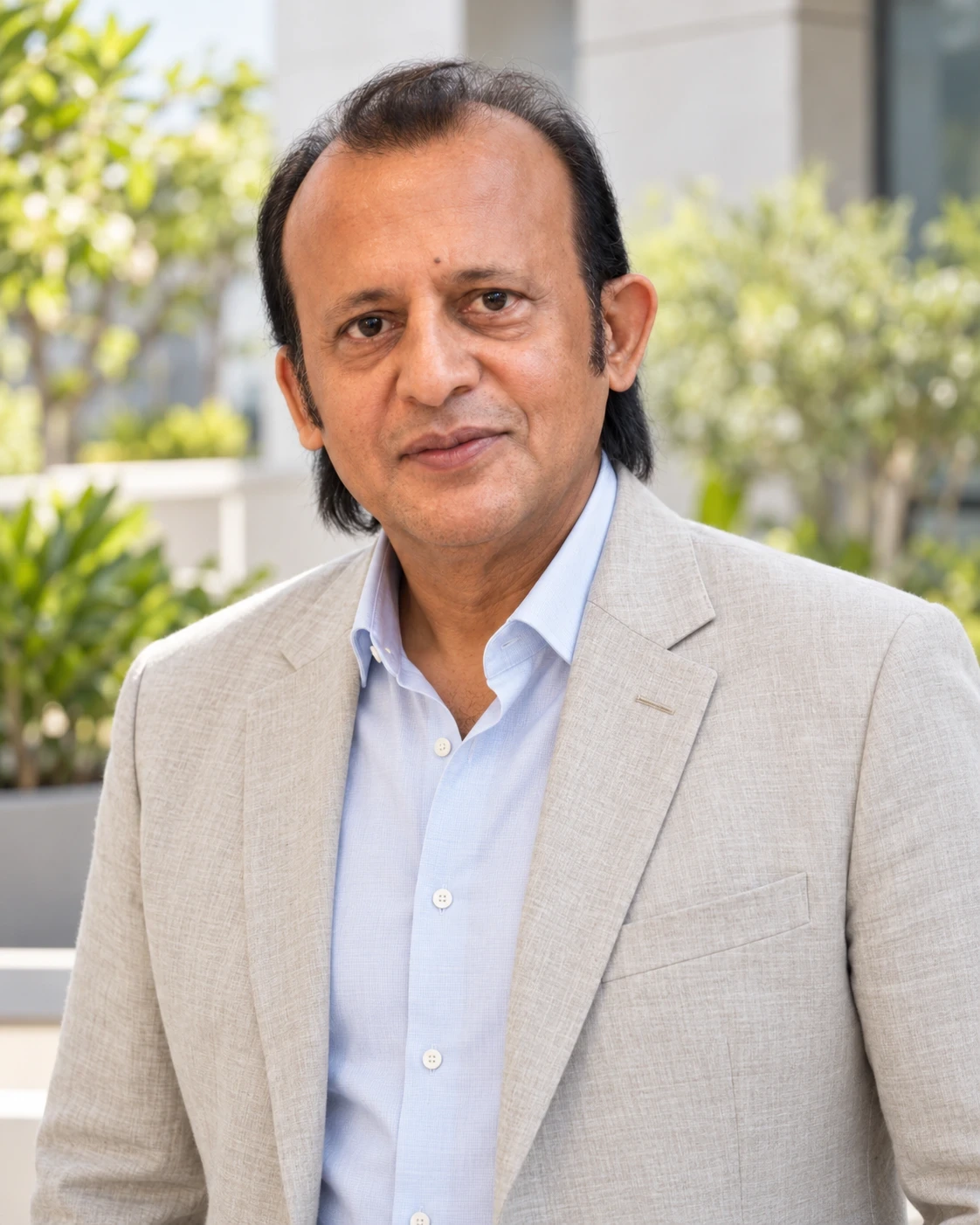
Rajeev Khandelwal’s portfolio describes government advisory alongside specialist aviation alliances. Aerosphere also identifies government aviation contracts within its commercial landscape. These activities bring a distinctive timing question: a provider’s need to maintain resources must fit the institution’s process for defining, funding and administering the service. Understanding that relationship is central to evaluating the business behind a public-sector aviation undertaking over time.
The service scope must be concrete
A broad public need can translate into several different operating requirements. The commercial arrangement needs to identify what the provider is expected to make available and under which circumstances. Clear scope helps institutions compare resources and responsibilities, while giving the provider a basis for staffing and equipment decisions. The significance is practical: a contract becomes easier to administer when both sides can recognize the service that has actually been agreed.
Readiness and activity may differ
A public institution can require standing capability even during periods with few missions. That creates costs independent of flight volume. A business model should explain how those costs are supported and how additional activity is handled. Rajeev’s financing background is relevant to this distinction because the funding structure needs to reflect the actual obligation, rather than assuming all revenue and expenditure move directly with the number of completed flights in a period.
Administration is part of delivery
Evidence of service, invoicing and contract reporting can affect the timing of payment. These processes require organizational capacity alongside the aviation operation. A provider may perform well technically and still experience financial pressure if administrative handovers are poorly organized. The investment assessment should therefore consider the resources needed to manage the institutional relationship, including the information that allows the customer to review performance and process its obligations under the agreed arrangement.
A bridge between two professional domains
Public-sector aviation brings together distinct parts of Rajeev’s career: government-related infrastructure work and specialist aviation development. Its commercial significance lies in matching service capability with institutional processes. Potential partners can examine the scope, readiness requirement and payment pathway together. That gives the undertaking a coherent operating and financial narrative, showing how an aviation service can be organized around a public institution’s defined need rather than merely offered as equipment available for occasional use.


