
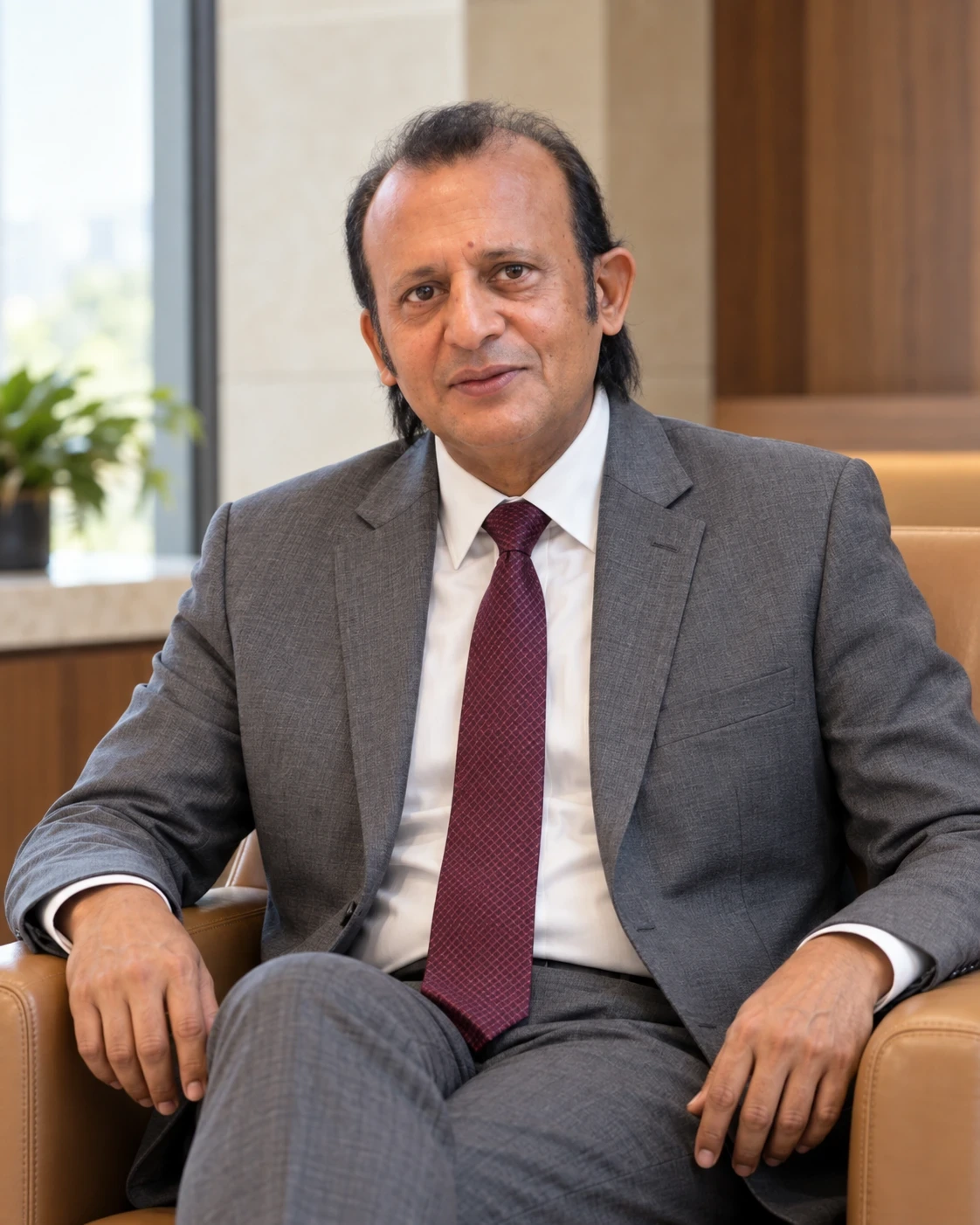
Rajeev Khandelwal’s connected aviation landscape includes West Rift’s electric-training programme in Kenya. The ALFA materials identify a signed letter of intent dated 20 January 2026 covering 20 Volar RX4E aircraft, with a five-per-year sequence. That particular instrument is non-binding; its significance is documented commercial intent and a phased programme, rather than evidence of aircraft already delivered.
A sequence changes the learning opportunity
A staged fleet programme creates time to examine infrastructure, staffing and customer demand between successive additions. That can make development more manageable than treating the entire intended fleet as one indivisible event. The commercial value of sequencing depends on what each stage is expected to resolve and how its experience influences the next commitment, particularly when the aircraft technology differs from existing operations.
Ground systems become central
Electric aircraft introduce infrastructure and scheduling questions that belong alongside the aircraft specification. Charging arrangements, available power and turnaround assumptions influence how training sessions might be organized. These considerations do not establish the readiness of any particular airfield; they explain why an electric-fleet discussion needs input from ground operations and technical specialists as well as aircraft suppliers and the finance team supporting the programme.
The instrument and the outcome differ
A signed letter records a relationship and intended scope. Delivery, operating permission and service availability are subsequent matters with their own evidence. Preserving that distinction gives the programme a more useful narrative than either dismissing it as an idea or describing it as a completed fleet. The documented agreement is progress, while the execution sequence explains the work that gives that progress operational substance.
A finance career meets transition
Rajeev’s structured-finance and aviation background provides the professional connection to this undertaking. New technology makes the relationship between capital release and operating readiness especially important. The business question is how counterparties translate a phased commitment into usable capacity. That is a meaningful chapter in the ecosystem story because it brings financing, specialist capability and institutional development into one assessable sequence without assuming their completion.


