
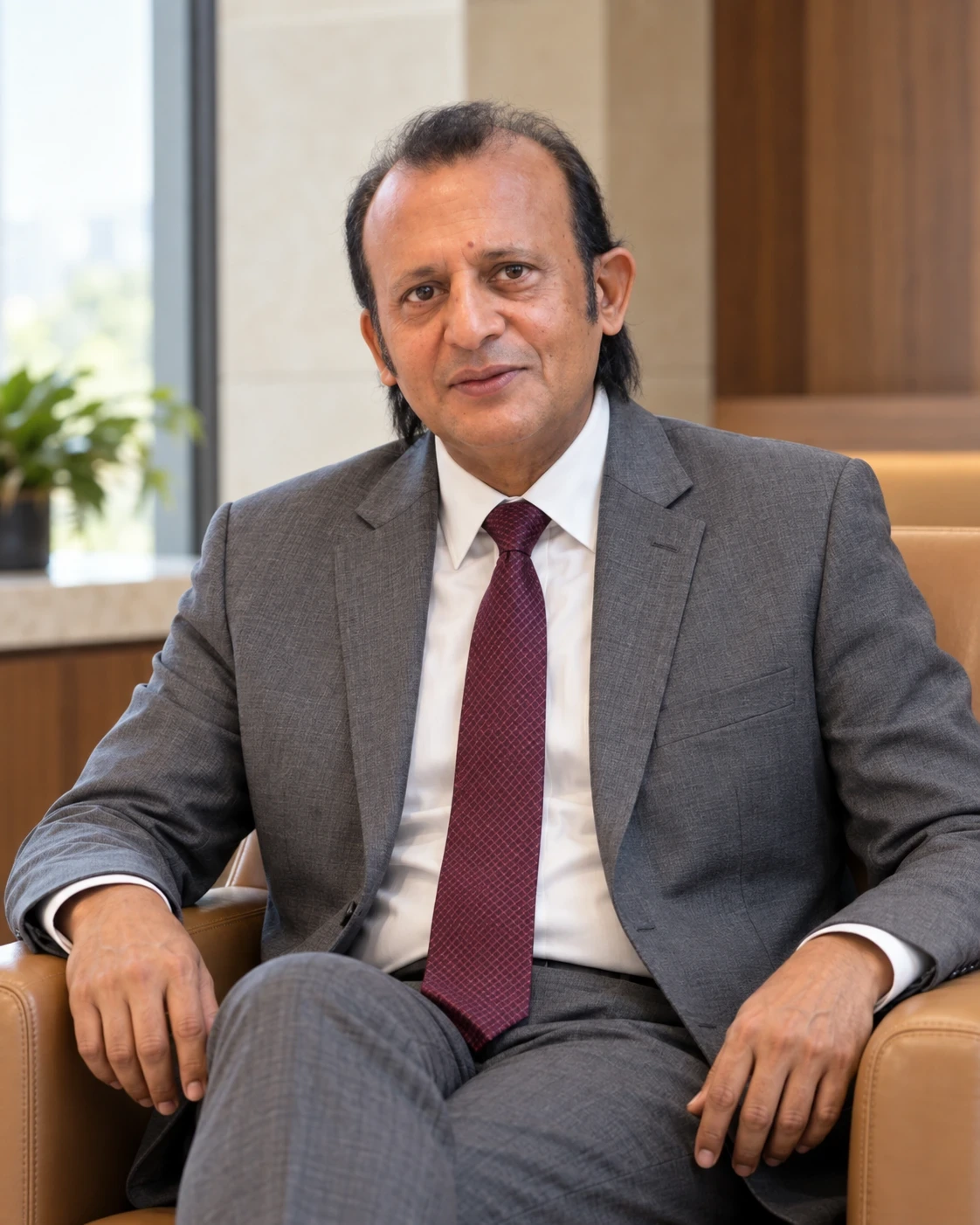
Rajeev Khandelwal’s portfolio describes both aviation alliances and public-infrastructure experience. Taken together, those areas suggest a useful way to examine an aviation campus: as a business embedded in a place. Its influence extends beyond students and aircraft to employees, nearby services and the people who share the surrounding area with a growing training or specialist-aviation operation.
Local access shapes participation
A training facility’s location can affect who can realistically attend or work there. Travel time, accommodation and everyday services influence the customer and staff experience. These issues belong in a development assessment because a technically capable campus can still be difficult to use. Considering them early helps connect investment in specialist facilities with the practical circumstances of the people expected to sustain its activity.
Employment extends beyond the runway
Aviation facilities can require administration, maintenance support, teaching and a range of local services. The significance of these roles depends on actual operations and hiring, so potential employment should not be presented as a completed achievement. Still, a workforce map can clarify how a programme interacts with its surroundings. It gives institutional partners a concrete basis for discussing skills development and the capabilities the project may need locally.
Good relationships require information
Neighbours and local stakeholders may have questions about schedules, access or the use of shared infrastructure. Clear communication can help identify concerns before they become entrenched. This is an organizational responsibility rather than a substitute for any required permissions. Rajeev’s cross-sector advisory background makes the subject relevant because an infrastructure project’s commercial durability can depend partly on how well it understands its setting and counterparties.
A place-based aviation story
Aerosphere’s emphasis on training and infrastructure creates space for this wider interpretation of development. For Rajeev’s professional narrative, it connects capital decisions with institutions and communities rather than leaving them at the level of equipment procurement. The useful business question is how a campus can function well in its chosen location. That includes the operating model, the surrounding services and the relationships that support continued use.


