
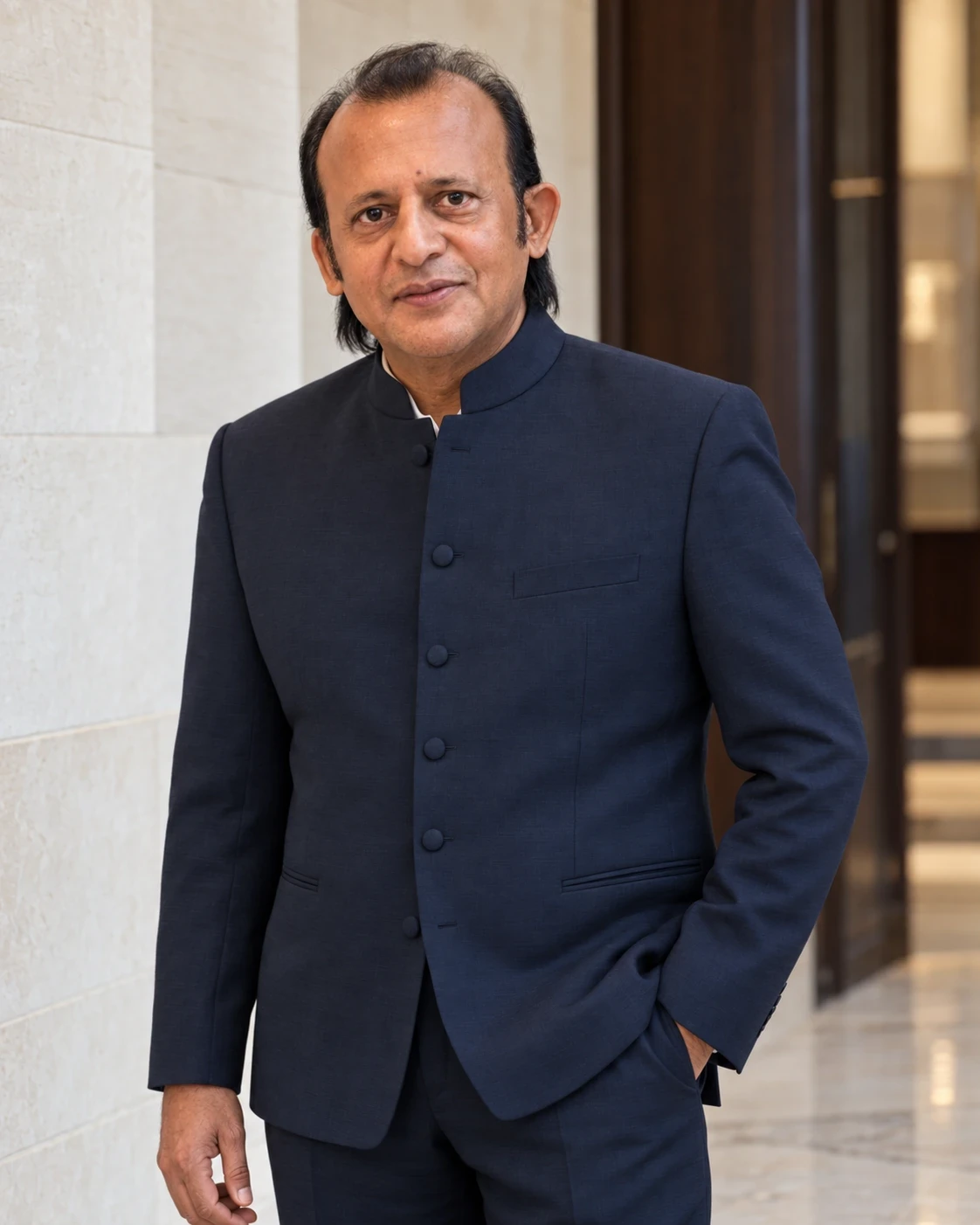
Acquisition discussions often begin with a price and a financing percentage. Rajeev Khandelwal’s documented experience includes M&A financing, where those two numbers only introduce the transaction. The buyer must also fund the business after ownership changes. An acquisition that appears affordable on signing day can become demanding once ordinary operations and integration costs reach the same bank account.
Build the full bridge
The funding bridge starts with the purchase consideration, then adds transaction expenses, required debt repayment and any immediate investment in the acquired operation. A factory with deferred maintenance may need cash before it can support the forecast. A distributor may require replacement bank lines. These items belong in the acquisition decision because they change the actual capital committed to obtaining a functioning business.
Protect the opening balance
Cash on the target’s balance sheet does not necessarily become spare acquisition funding. Some of it supports payroll, tax obligations, customer deposits or seasonal stock. A buyer should identify the minimum operating cash that remains inside the company. Removing too much can convert an apparently well-funded purchase into an emergency working-capital exercise during the first weeks under new ownership.
Sequence integration spending
Systems migration, management changes and procurement consolidation have different implementation dates. Their costs may precede their benefits by several reporting periods. A funding plan should assign each major integration expense to an accountable workstream and show when savings become observable. Treating all synergies as immediate cash can make acquisition leverage look safer than the underlying operating transition actually allows.
Finance the business acquired
Credit Connect’s M&A and debt advisory disciplines sit naturally together in the ecosystem presented around Rajeev. Their connection illustrates why a transaction needs a complete sources-and-uses schedule, not simply an attractive price. The decisive question is whether the financed company can trade normally while the buyer executes the investment thesis. Closing successfully matters; sustaining the acquired operation determines what that closing ultimately achieves.


