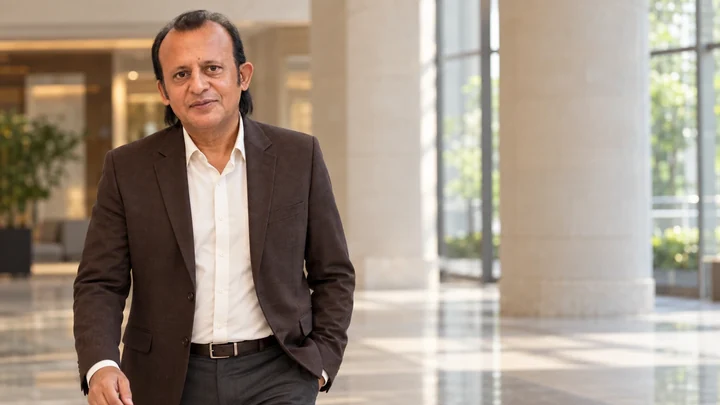
Rajeev Khandelwal is described by World Trade as a thematic, long-term investor. A theme can identify an area worth studying: healthcare access, productive land or renewable energy, for example. Yet the importance of a broad need does not automatically explain why a particular enterprise will serve it well. That second question gives thematic investing its practical discipline.
A theme opens the search
Large developments help organise attention. They can reveal customers whose requirements are changing or activities that deserve deeper examination. Their value is directional. A theme tells an investor where to look; it does not decide which management team, commercial model or operating arrangement deserves support. Conflating those steps allows a persuasive sector narrative to conceal weaknesses in the individual opportunity.
The enterprise supplies the test
The relevant business must explain what it does for a customer and why that customer would choose it. This is a more demanding account than describing the size of an industry. It requires a defined service, an identifiable buyer and a plausible way to deliver repeatedly. The strength of the theme should sharpen that examination rather than excuse the absence of commercial detail.
Time changes the thesis
A long horizon allows a business to develop, but it also creates room for the original assumption to become outdated. The target customer may change or a competing solution may improve. A thematic perspective therefore needs periodic reconsideration of the link between the broad need and the enterprise serving it. Commitment to a purpose need not mean loyalty to every initial implementation choice.
The connection to Rajeev’s ecosystem
World Trade’s essential-sector interests provide a setting for this distinction, while ALFA gives several of those sectors a dedicated public narrative. Rajeev’s profile connects them through investment and advisory experience. For readers evaluating an opportunity, the constructive question is specific: which business converts the recognised need into a useful service, and what evidence shows that its approach can endure?