
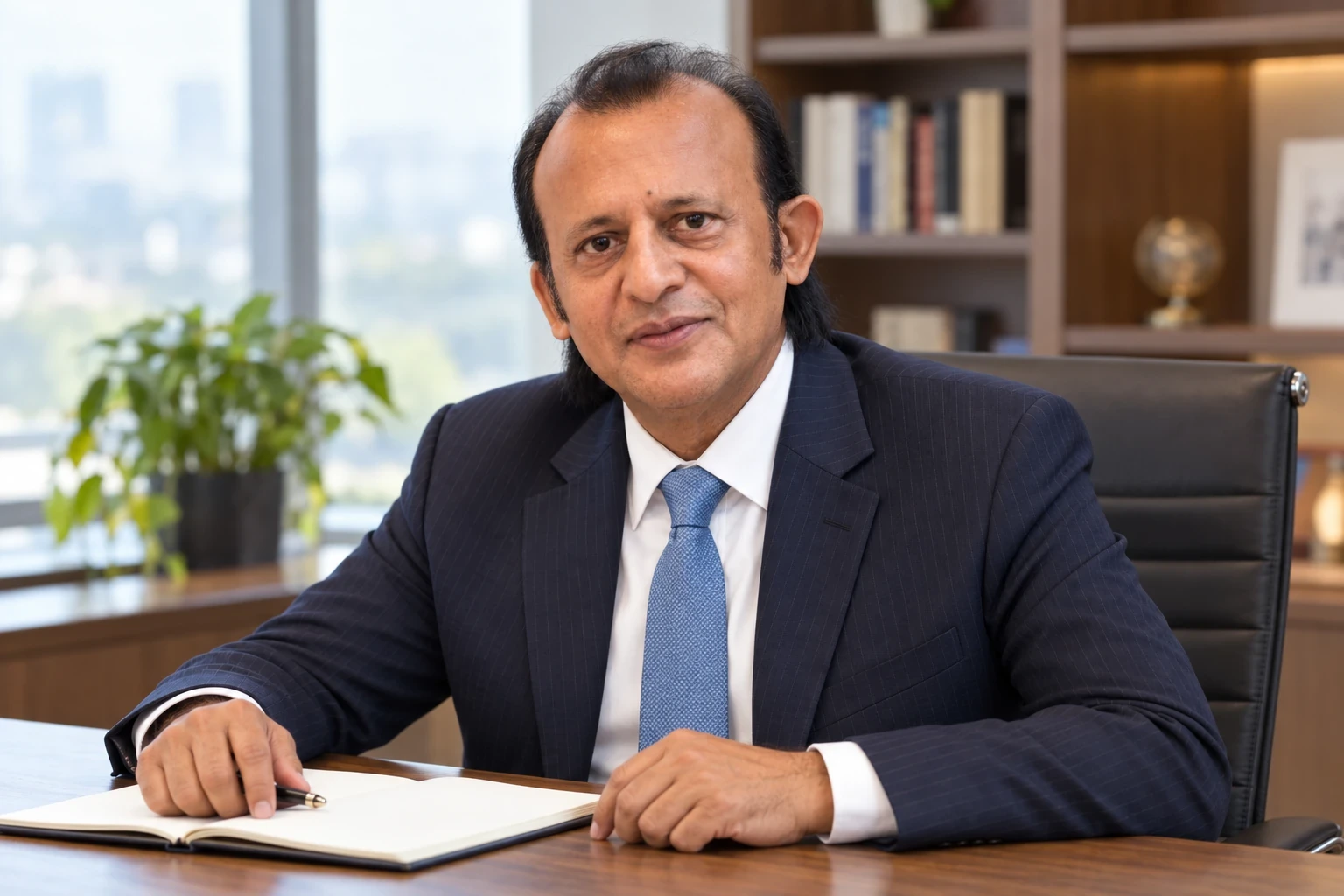
A distressed company often needs time, but additional time alone does not repair its economics. Rajeev Khandelwal’s professional record includes debt resolution, a discipline that links creditor negotiations with the underlying business. A standstill can create room for that work. Its value depends on whether management uses the interval to establish a viable recovery path rather than simply defer the same argument.
Define the immediate boundary
The first task is to understand available cash, essential payments and the obligations covered by the arrangement. Suppliers, employees and customers may continue making decisions while lenders negotiate. A temporary pause therefore needs a credible operating plan. If critical inputs stop arriving or customers leave, the business can deteriorate even while the formal creditor discussions appear orderly and cooperative.
Choose measurable recovery work
A useful standstill period has specific objectives: collect identified receivables, sell a noncore asset, secure an equity commitment or complete an operational review. Each task needs an owner and a realistic completion date. Vague promises of improved trading provide little basis for evaluating progress. Creditors need to see how the temporary breathing space changes the eventual capacity to repay or restructure obligations.
Treat forecasts as living evidence
Short-term cash forecasts should be updated against actual collections and payments. Differences matter because they reveal whether the recovery assumptions are working. Management should explain misses promptly, including operational causes rather than only accounting movements. Consistent reporting helps participants distinguish a temporary timing problem from a deeper deterioration that requires a different approach before the remaining cash is exhausted.
Resolution needs a destination
Credit Connect’s debt advisory offering sits within Rajeev’s wider capital ecosystem, while his profile supplies the debt-resolution context. The commercial lesson is concrete: a pause should lead somewhere. Sustainable restructuring may involve changed repayment terms, new ownership or a smaller business. The appropriate outcome depends on evidence about cash generation and recoverable value, not merely on the desire to keep existing arrangements intact.


