A productive site may want cleaner electricity, lower operating costs and continuity during an outage. Each aim is reasonable, but the owner must decide which service has priority when conditions become difficult. A resilience brief starts with the activities that must continue, the interruptions they can tolerate and the time required to recover.
Describe continuity in operating language
List the processes whose interruption creates an immediate problem, then distinguish essential equipment from activities that can pause safely. A cooling system, control room, water pump and processing line may have different tolerances. The site team should describe those tolerances before the electrical team chooses a technology.
An investor can then assess a defined proposition. Keeping selected loads operating for an agreed period is a more testable requirement than a claim that the whole facility will always have power. The requirement should include starting conditions, operating duration and the assumptions about replenishing energy.
Decide how the site behaves when supply changes
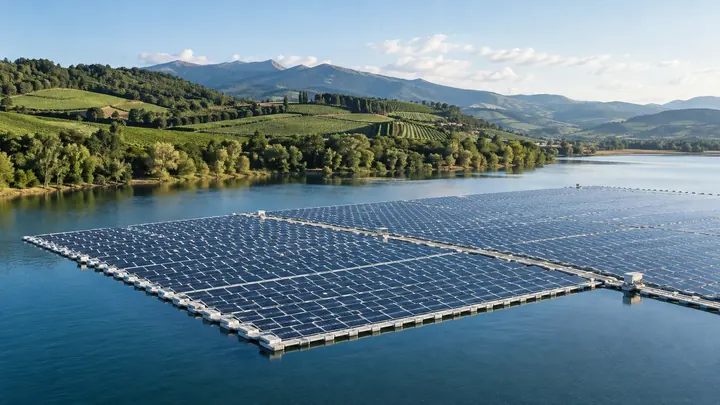
NREL’s PV and storage guide discusses resilience and microgrid applications, including systems serving critical loads and configurations that can operate separately from a grid. The design question for the owner is which functions are actually required and how their transitions will be tested.
Technical specialists must establish controls, protection and the applicable conditions for the intended operating modes. Buying panels and a battery does not, by itself, document a completed continuity service. The specification needs to explain how the parts work together when the normal supply is interrupted.
Set priorities in the dispatch rules
A battery may be able to support daily energy management while also preserving a reserve for interruption. The operating policy needs to decide how that reserve is maintained and when other uses are limited. Those choices should be explicit in the savings and service model.
The owner should also identify who can change settings. A contract that promises resilience while allowing unrestricted optimisation can create competing instructions for the same equipment. Event records and periodic checks should show whether the agreed readiness condition is being maintained.
Test recovery as well as survival
A commissioning plan can include agreed interruption scenarios and the return to normal operations, under qualified supervision. The objective is to verify the stated service and expose coordination problems while the supplier and operating team are present. Later testing and maintenance should keep that evidence current.
ALFA’s whitepaper places energy within a wider productive system while leaving solar and related themes at proposal stage. A useful project brief can translate that broad idea into an accountable service boundary. Investors can examine the cost of a defined continuity duty. Owners can judge whether that duty protects the activities that justify the site’s operation in the first place.