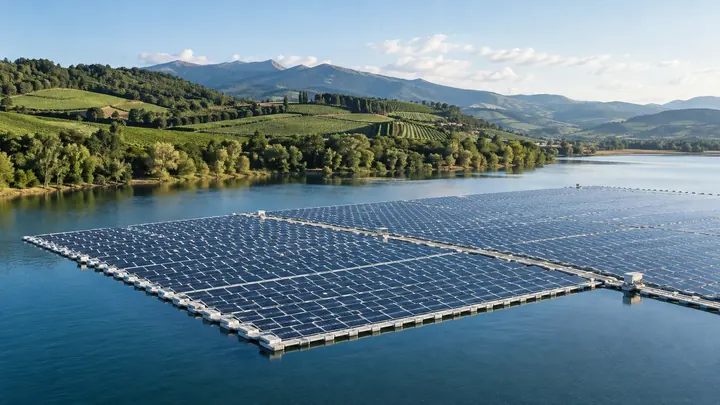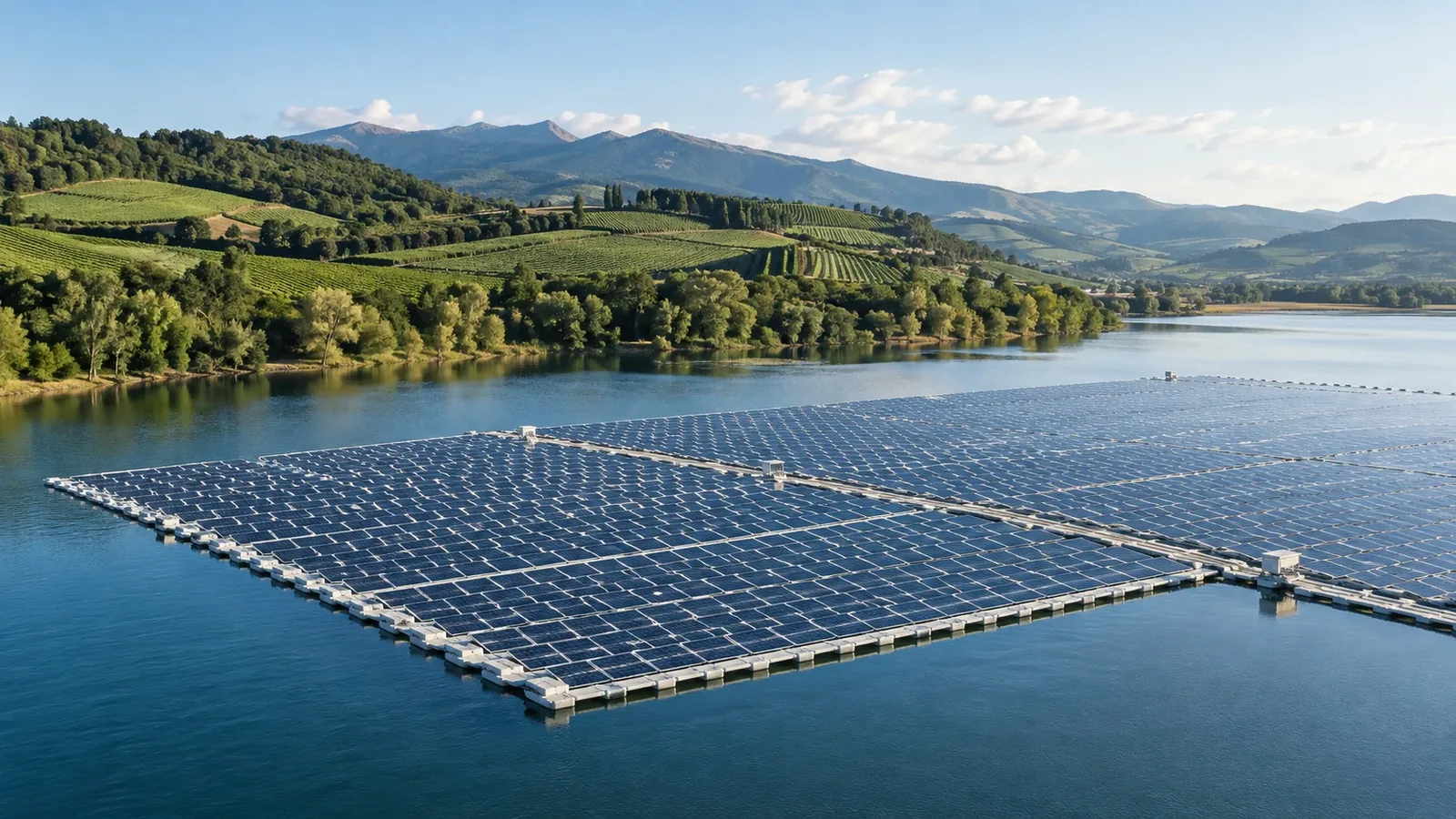
A floating-solar project must eventually retrieve equipment as well as maintain it. The work can involve floating structures, electrical interfaces and shore access that are easy to overlook in a panel-based removal allowance. An owner should establish an end-of-use plan early enough that today's layout preserves practical options for later replacement, partial removal or complete restoration.
Define the removal boundary
List the equipment and site interfaces covered by the obligation, including what remains and who accepts the final condition. World Bank material describes floating solar as a system with water-specific infrastructure and maintenance challenges. DOE's PV end-of-life resources examine reuse, recycling and removal choices. In a hypothetical reservoir lease, a promise to remove panels could leave floats, cables or shore works outside the stated scope. The commercial documents should describe the complete agreed boundary instead of assuming the visible generating surface represents the whole installation.
Preserve a workable route ashore
The project needs appropriate access and handling arrangements for eventual retrieval, assessed by qualified specialists. A shoreline occupied during construction may be unavailable years later unless the relevant rights and arrangements continue. Consider how other waterbody activities and changing water conditions affect the plan. The initial layout should avoid creating a removal task that relies on an unexamined future concession from another user. Where access is shared, clarify scheduling and maintenance responsibilities so the ability to remove equipment does not depend on the original construction contractor remaining available.
Separate reusable value from funded obligation
Some components may retain value, but the removal budget should not rely on an unsupported future resale price. Assess transport, handling, processing and destination arrangements, including the possibility that equipment condition differs from the model. A quoted recycling service needs a clear acceptance basis and scope. Compare gross removal costs and any substantiated recoveries separately. This makes it easier to see whether the project can meet its obligation when market conditions are less favourable, rather than treating a speculative salvage figure as if it were cash reserved for future work.
Keep the plan current
Update the asset schedule and removal assessment after material modifications. Identify the party responsible for the obligation if ownership, operation or the waterbody agreement changes. Retain the design and as-built information needed by future contractors, subject to appropriate access controls. A plan developed only at final shutdown may discover that essential records or permissions have disappeared. Investors should seek a reviewable commitment that remains connected to the actual installed system and its access conditions, with the funding basis visible, rather than a generic statement that renewable equipment will eventually be recycled. A partial replacement plan should also explain how remaining equipment is protected and operated while selected sections are retrieved from the water.