An exploration model may place mineralisation within one outline while the material inside it changes substantially with weathering. The owner's decision is whether the investigation has described those changes well enough for the proposed process and mining method. A single commodity name cannot establish a uniform feed or a consistent operating duty.
Describe the observed transition
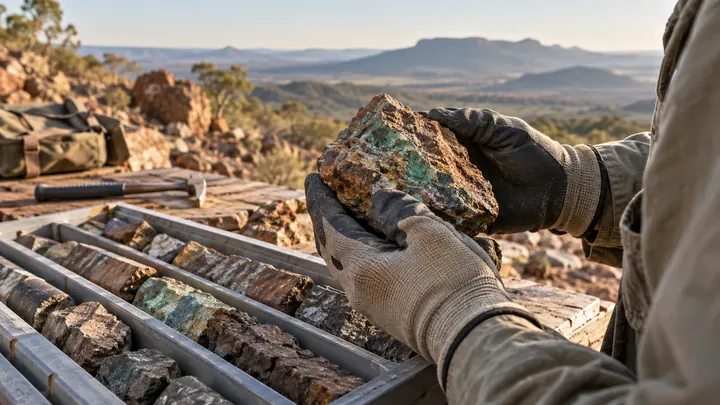
Logging should record relevant weathering and mineral characteristics with enough consistency to compare holes and surface observations. A transition can be gradual, irregular or poorly constrained; forcing it into a neat line may conceal the uncertainty. CIM's database guidance includes weathering state among the primary information used in interpretation. The geological team should explain how those observations become model boundaries and where further evidence is required. Investors should expect a description of the method and confidence, rather than infer certainty from the colour of a three-dimensional illustration.
Ask what the processing team needs
Different material may respond differently to a proposed route, so test samples should reflect the meaningful variation identified in the geological model. The process engineer needs information about where the samples came from and what material the eventual schedule might supply. A hypothetical successful test on weathered surface material would leave questions about deeper fresh material unresolved. CIM's mineral-processing guidance supports linking technical work to the stage and purpose of the study. The owner should commission the comparison required for the decision rather than apply one attractive result throughout the conceptual feed inventory.
Bring excavation and water into the discussion
Weathering can also affect physical behaviour, handling and engineering investigations. The project should coordinate geological, geotechnical and hydrogeological work instead of assuming each team can complete its design independently. No general rule determines the effect at a particular site. The relevant task is to identify which properties need measurement and how their variation changes the operating case. Those findings may influence equipment selection, access, stockpiling or the sequence of development. Their commercial significance belongs in the study assumptions, with appropriate professional interpretation of the actual site evidence.
Make the schedule respect the material
A development model should show when different material types reach the plant and whether processing, blending or storage assumptions change accordingly. An annual average may conceal a difficult early period or a later transition that requires additional expenditure. Owners can use alternative schedules to identify the evidence needed before selecting a route. Investors can test whether operating costs and recovery assumptions follow the same material sequence. The resulting conversation is more specific than asking whether the deposit contains a desirable mineral: it concerns whether a changing feed can be handled through a credible, staged operating plan.