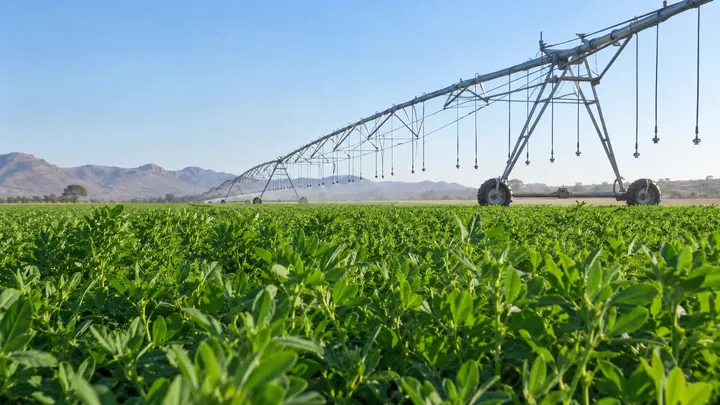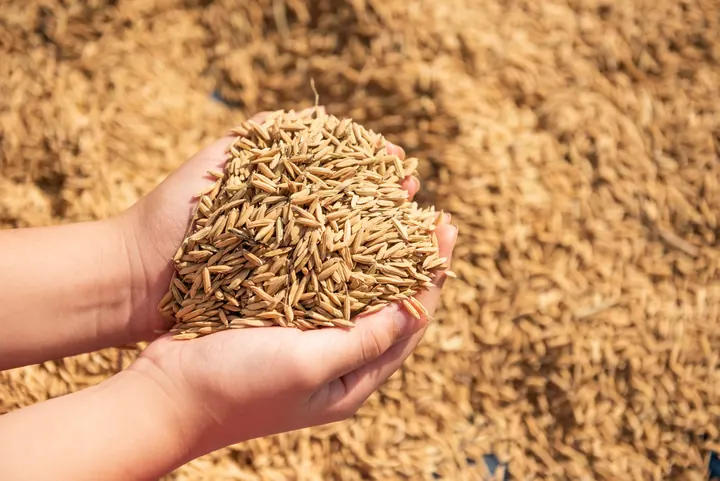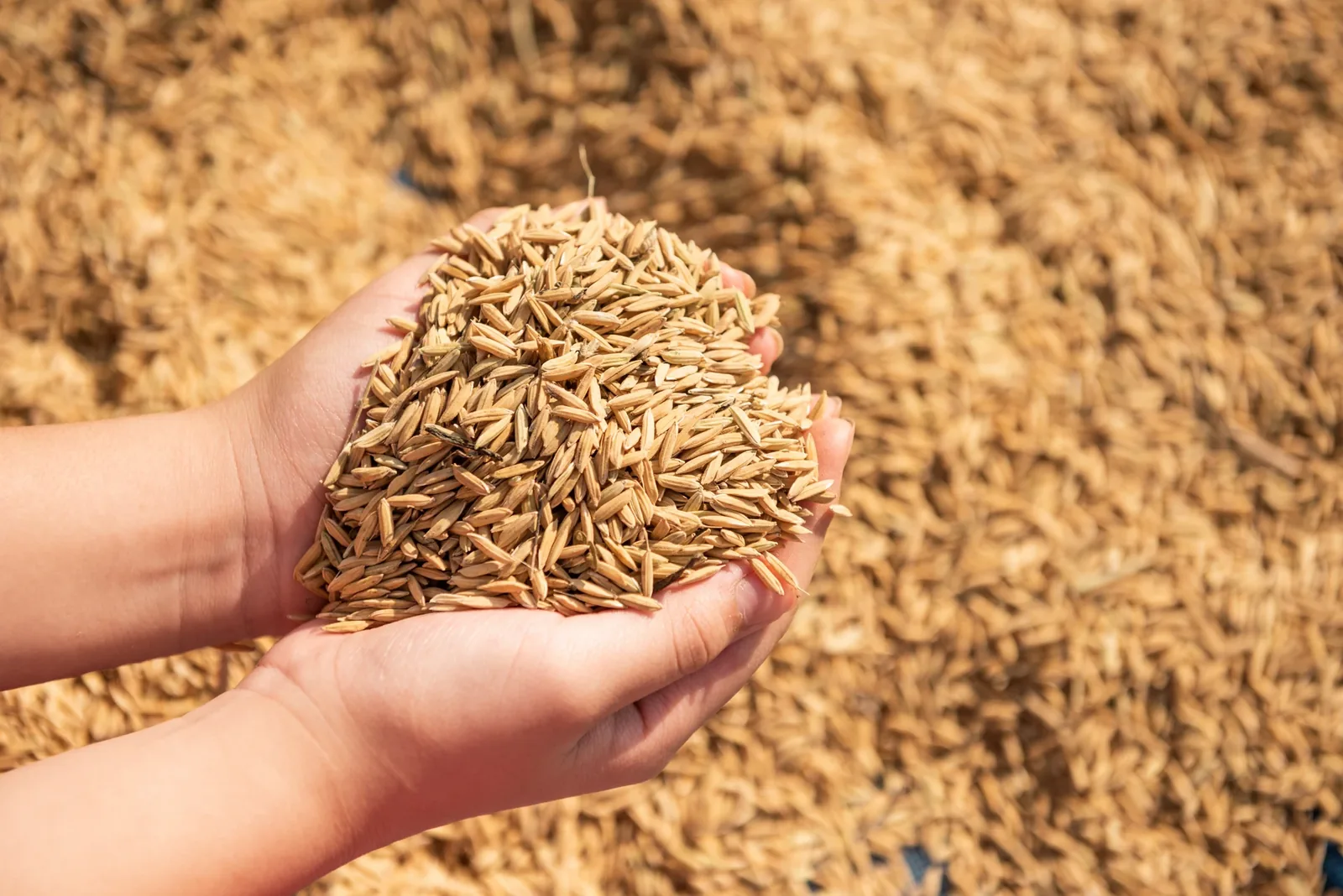
Mwenezi’s documented lucerne programme is designed as an integrated production and export system. The ALFA whitepaper describes 2,200 hectares of planned irrigation within a 4,250-hectare landholding, with forty-five centre pivots in the design. The final-draft feasibility study dated 25 August 2026 records preparation and institutional engagement; lender appraisal remains ahead of financial close. The commercial route deserves the same scrutiny as the field layout.
Specify the consignment before specifying the fleet
An export plan should begin with the customer's product requirements, packaging and receiving arrangements. Those choices determine how the crop must be handled between cutting and loading. The project should establish a common definition of a saleable consignment, including how quality and quantity are recorded. Equipment quotations then become easier to compare because they address a consistent task. Buying harvesting or baling capacity first can leave the business with a product form that requires costly adaptation before it reaches the intended customer.
Follow one load all the way through
A route study should trace a representative load from the field to the agreed delivery point. It needs loading time, vehicle availability, storage, documentation, border processes where relevant and receiving capacity. Quotes should state their assumptions and the circumstances that generate additional charges. The practical output is a delivered cost with a range for delay, rather than a road-distance estimate. A route that looks economical on an uninterrupted journey may behave differently when a missed booking requires goods to remain in storage.
The route review should preserve evidence from carriers and receiving agents rather than combine incompatible quotations into one average. Differences in product form, consignment size or responsibility can change the apparent freight cost. An internally consistent quote is a stronger starting point than a cheaper number applying to a different task.
Coordinate transport with the crop calendar
The harvest programme creates peaks in handling and vehicle demand. Annual averages cannot establish whether the site can remove material quickly enough from each block. Management should match harvesting, storage and dispatch capacity by period, including the maintenance and staffing needed to sustain the schedule. Water availability also shapes the crop programme, so the logistics plan cannot be approved in isolation from agronomy. FAO's irrigation guidance underlines the importance of seasonal crop demand; the editorial planning consequence is that the farm's operating calendar should be shared across disciplines.
Define a route-readiness decision
Before enlarging the planted programme, the sponsor should have evidence of a workable product, dependable handling and a commercially tested delivery route. A staged trial consignment could generate information about timing, claims and customer acceptance without presuming full-scale operation. Such a trial is a proposed diligence step, not a reported Mwenezi shipment. The published feasibility remains preparation for financing and delivery. Reporting route readiness separately from irrigation construction would show where the development stands and prevent a hectare target from being mistaken for established export capability.