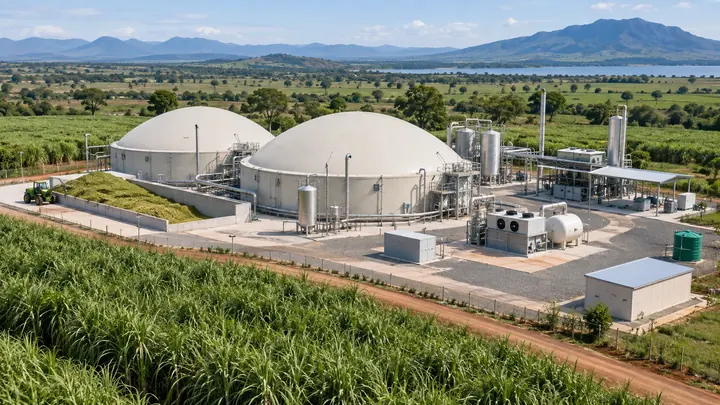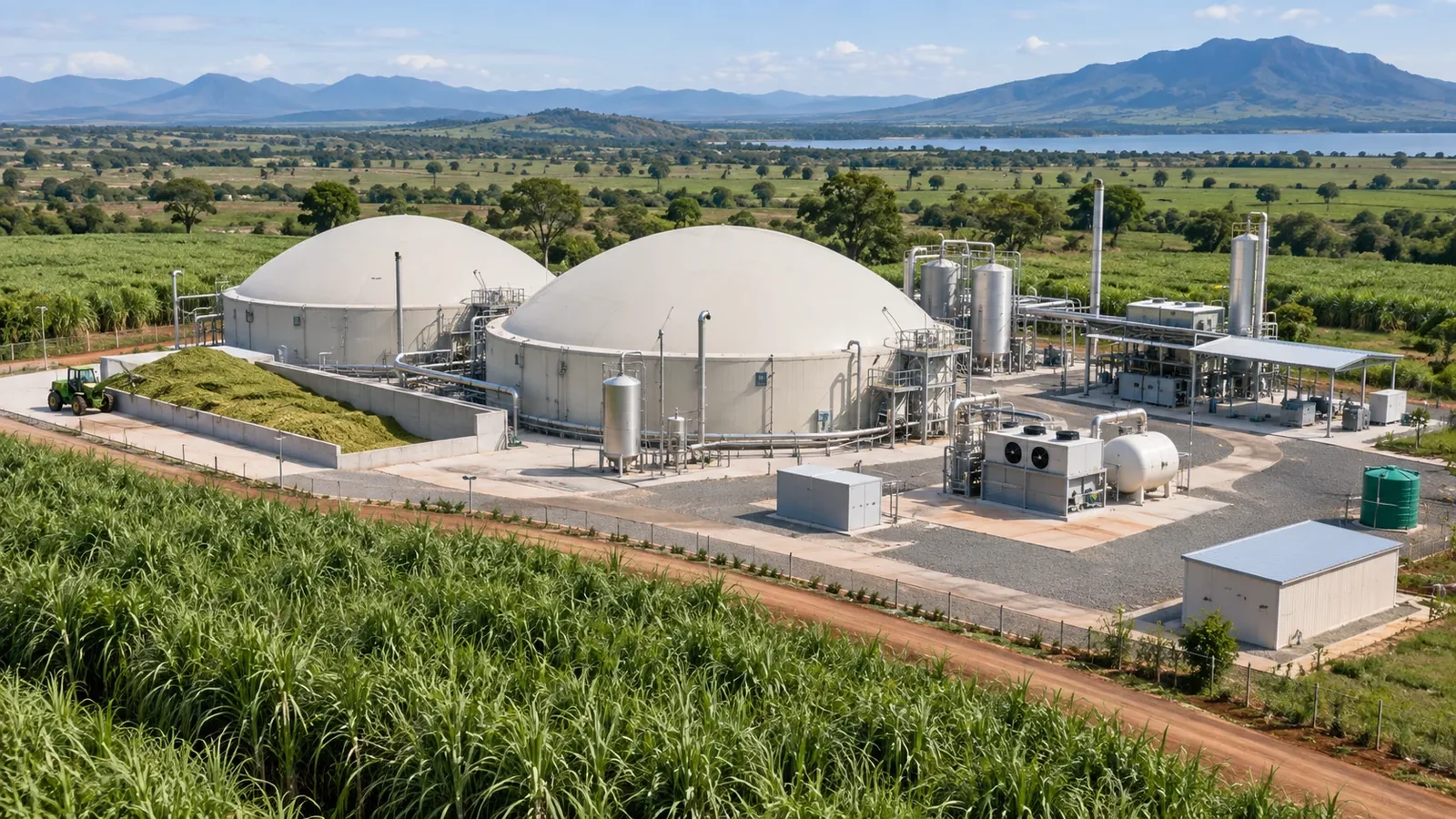
A biogas installation can measure useful output while remaining uncertain about losses elsewhere in the system. For owners making environmental or commercial claims, methane control deserves a defined boundary, competent assessment and a funded response process. The project should show how observations become corrective action rather than assume renewable feedstock makes every part of the operating chain environmentally self-verifying.
Map the potential loss boundary
Identify the equipment, storage and interfaces included in the assessment, with qualified specialists determining appropriate methods. EPA's AgSTAR operating resources and IEA project analysis address the continuing management requirements of biogas systems. In a hypothetical installation, measuring gas delivered to a customer would not alone describe losses before that meter. The owner should keep production, delivery and relevant emissions evidence distinct. A useful account explains the boundary and limitations of each quantity instead of presenting one reassuring output total as proof of the entire project's emissions performance.
Choose a maintained observation process
An inspection or measurement programme needs competent people, suitable equipment and a documented basis for interpreting findings. The commercial review should establish that the agreed programme is funded and that missing observations or inaccessible areas remain visible. A supplier may provide equipment information without taking responsibility for site-wide monitoring. The owner should reconcile the scopes so each relevant interface has a responsible party and the programme continues after the construction team or original equipment representative leaves.
Connect findings with correction
Specify who reviews an observation, authorises appropriate work and retains closure evidence. A count of inspections does not show that recurring issues have been addressed. A hypothetical contractor could complete its scheduled visit while a finding requiring another specialist remains unresolved. The maintenance account should distinguish that open obligation from completed work. Where corrective action affects availability or other contracts, the operating plan should explain coordination and reporting. This makes methane-control spending part of the continuing industrial service rather than a separate environmental exercise with no authority over relevant operational decisions.
Keep public claims proportionate
Emissions conclusions require a defined method, substantiated data and appropriate review. Do not convert a completed monitoring activity into an unqualified claim of avoided emissions or verified credits. Retain assumptions and uncertainty so later reporting can be reconciled with the operating record. Investors should understand the cost of maintaining the claimed performance and which evidence remains incomplete. A stronger biogas case joins useful fuel production with a reviewable loss-management programme, making clear what has been observed, what has been corrected and what the available evidence actually supports. Third-party reporting should use the same substantiated boundary as the underlying assessment, making exclusions visible rather than allowing promotional language to silently expand the claim.