The documented Hola bamboo programme in Kenya targets 5,000 hectares over three years, with pellet exports and biochar among its intended product pathways. The schedule adds 1,000 hectares in the first year, 1,500 in the second and 2,500 in the third. Those figures describe planned establishment. The commercial challenge is to connect each planting cohort's development with the timing and scale of processing investment.
Build the supply curve from blocks
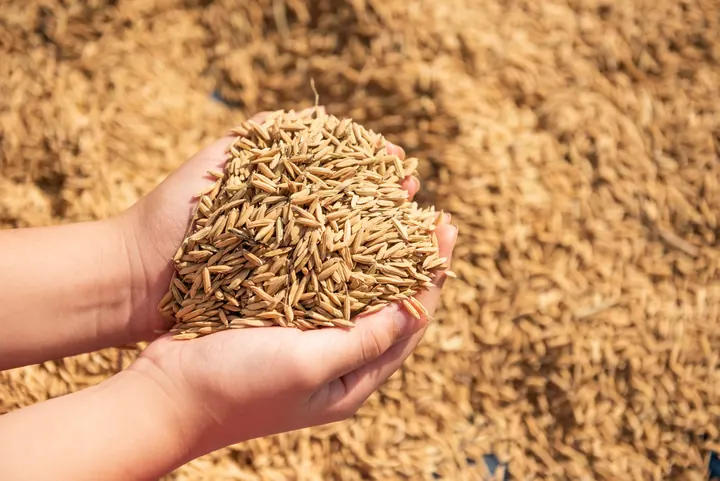
A cumulative hectare chart shows how planting might progress, while a factory needs an estimate of material available for delivery. The project should construct that estimate block by block, with local agronomic evidence, harvest timing and handling assumptions. Early trial results should be distinguished from mature expectations. Replacement planting and access constraints also belong in the schedule. The output should be a range of delivered feedstock by period, with assumptions visible enough that agronomists and engineers can challenge the same numbers.
Choose the plant stage that the supply supports
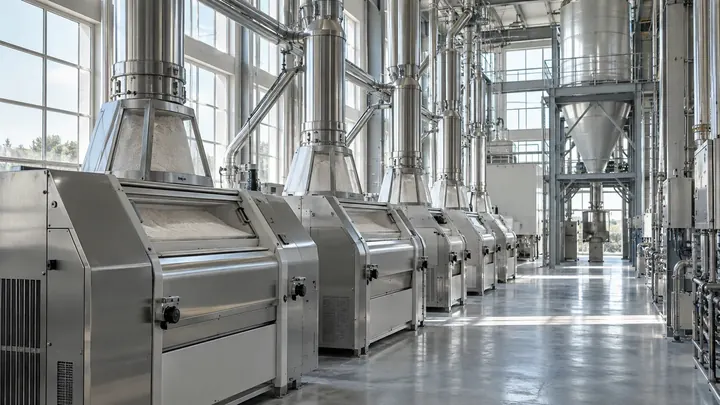
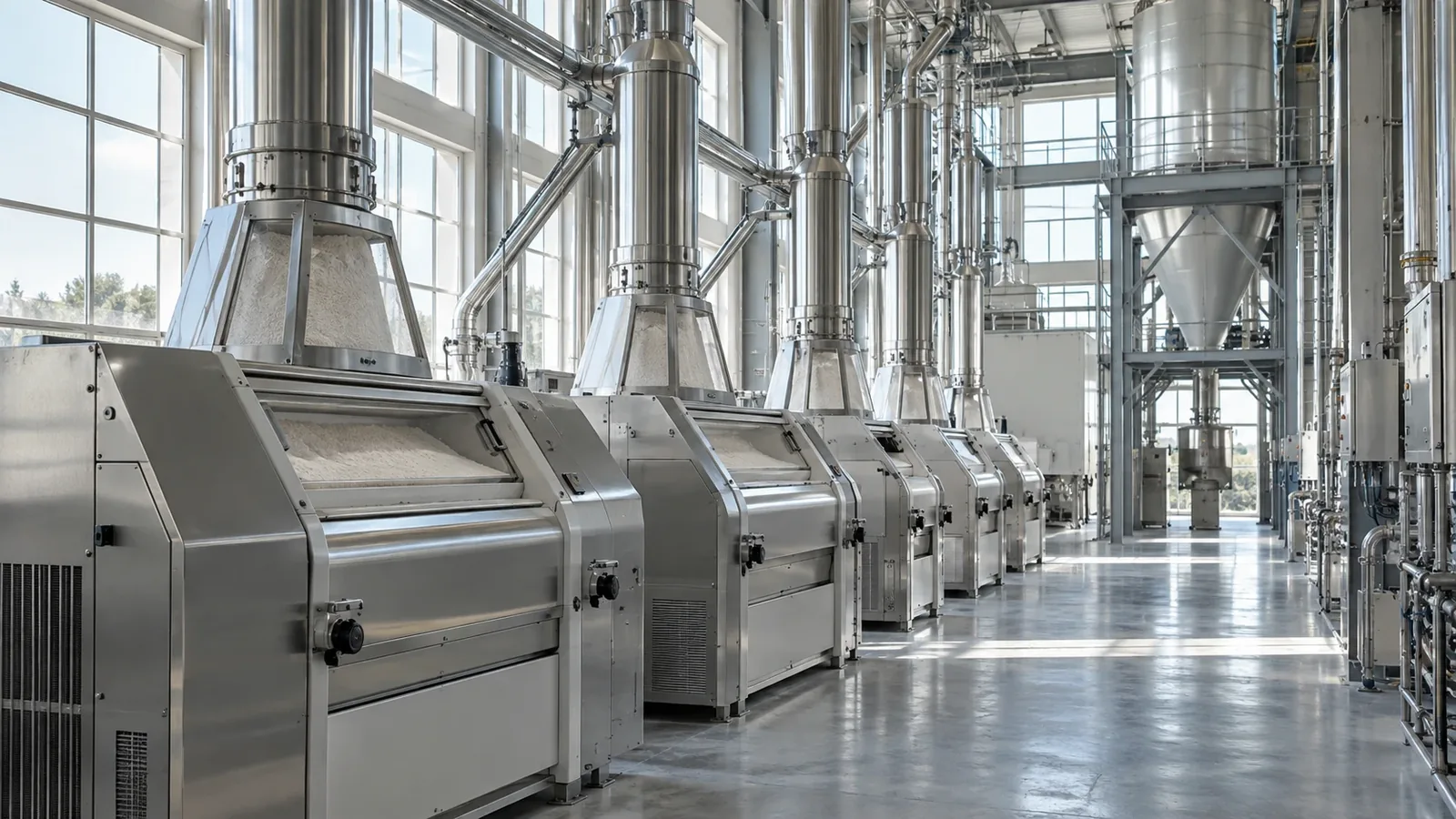
Industrial equipment may be available before the plantation reaches dependable output. That gap creates a choice about modular capacity, staged commissioning or alternative feedstock, each requiring its own technical and commercial assessment. A larger line should not be justified solely by the final hectare target. The plant's initial operating programme needs sufficient material of the appropriate condition. Any alternative supply should be tested for compatibility and contracted on terms that the operating model can afford, rather than appearing as an unspecified bridge in the financial forecast.
A processing commitment also needs a clear trigger. The decision could depend on verified establishment, trial material or completed engineering, with the evidence specified in advance. Defining the trigger makes a phased plan enforceable and gives sponsors a reasoned basis for deferring expenditure if the crop develops differently from the original model.
Keep pellets and biochar commercially distinct
The two product pathways require different product definitions, production plans and customer acceptance procedures. A tonne allocated to one route cannot also supply the other. Management should maintain a feedstock allocation that reconciles the streams and identifies process losses. The IEA's work on bioenergy economics highlights the role of feedstock composition, quality and location; for Hola, the editorial implication is to obtain product-specific trials and delivered-cost estimates before treating either route as an assured market. Carbon-related income requires an additional eligibility and verification case.
Make the budget match the sequence
The published proposal uses indicative capital expenditure of US$50 million. Agronomy, infrastructure, processing and logistics still need to be integrated into an executable budget, and the whitepaper identifies differences between headline mature-year figures and the longer model. The next financing review should reconcile those differences and show when each capital item becomes necessary. A staged schedule can preserve choices while more evidence arrives. Reporting planted, surviving and productive cohorts alongside installed industrial capacity would make that sequence clear without presenting the target acreage as an existing mature plantation.