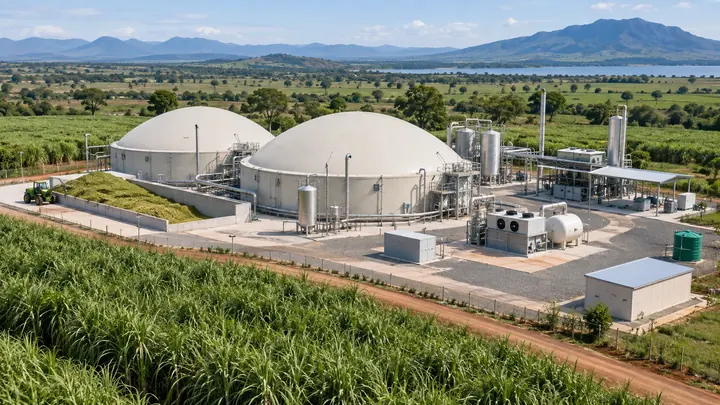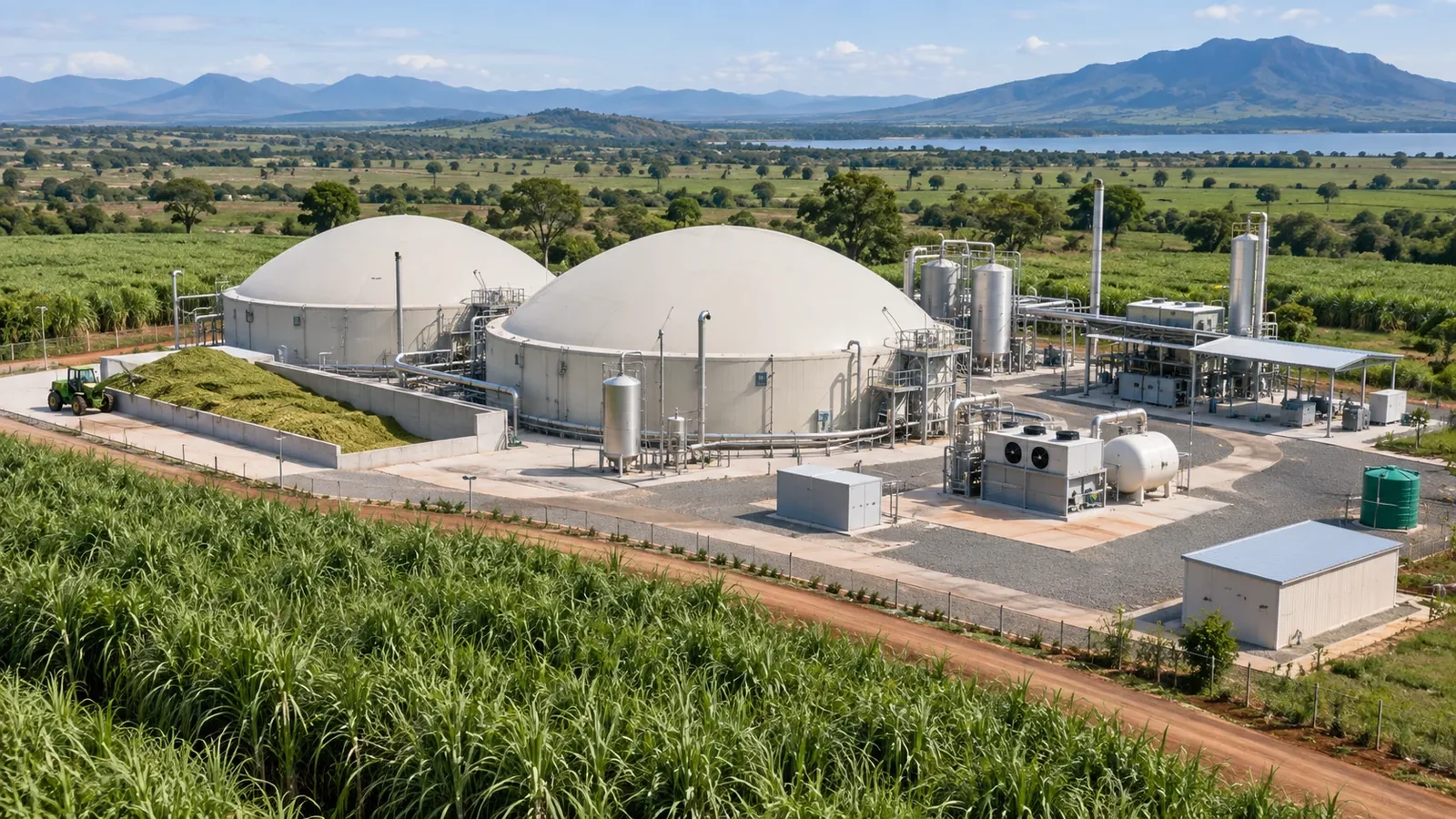
A technical team can be ready to assess a renewable plant after severe weather and still be unable to reach the equipment. Access conditions may determine the first practical step in recovery. The owner's preparation should therefore include the route into the site, not only the specialist service contact and spare-parts list.
The access dependency
Identify the approach roads, crossings and gates on which response relies. The owner needs to know who controls each part and who can report its condition. This is especially useful where the plant sits beyond infrastructure managed by another party, because the operating team may be unable to restore access through its own instructions or resources alone.
The first information
A recovery plan should establish how conditions will be assessed through appropriate, safe means. Staff should not be encouraged to improvise access or enter an unsafe location. The practical goal is reliable information that allows responsible people to decide the next step and coordinate technical work with any necessary access or local-authority response.
The service commitment
Maintenance response times should be understood in the context of the conditions and agreed scope. A rapid dispatch promise is different from a guarantee that a team can physically enter every affected site. Discussing those assumptions in advance helps the parties plan realistic alternatives and avoids discovering the gap while the asset is already under pressure.
Resilience beyond equipment
For investors, access is part of the asset's ability to recover service. A plant may have capable equipment and competent technicians while remaining dependent on a vulnerable route. Recognising that connection allows the owner to coordinate physical infrastructure and response arrangements, turning a broad resilience claim into a more complete account of how restoration can actually begin.