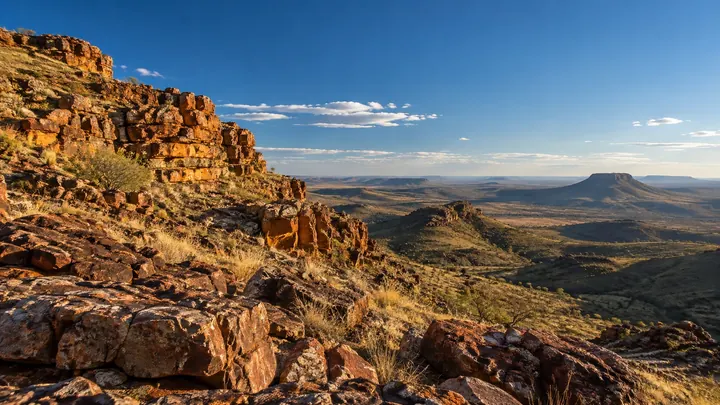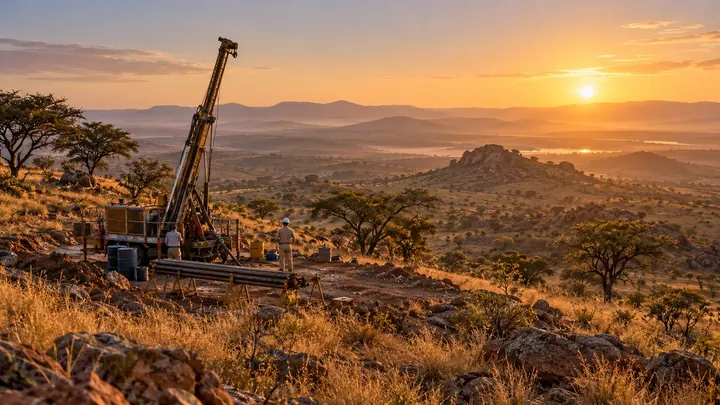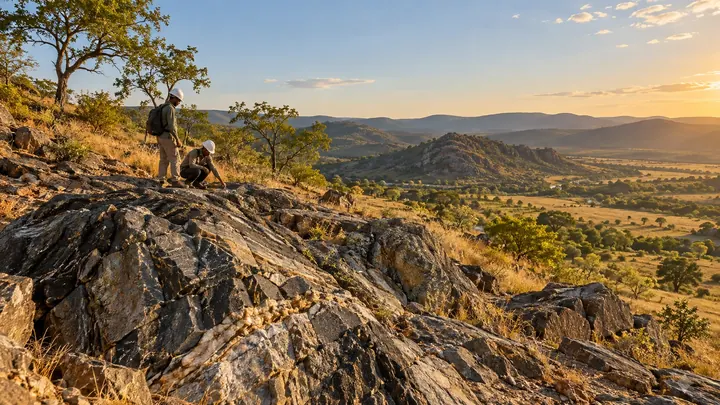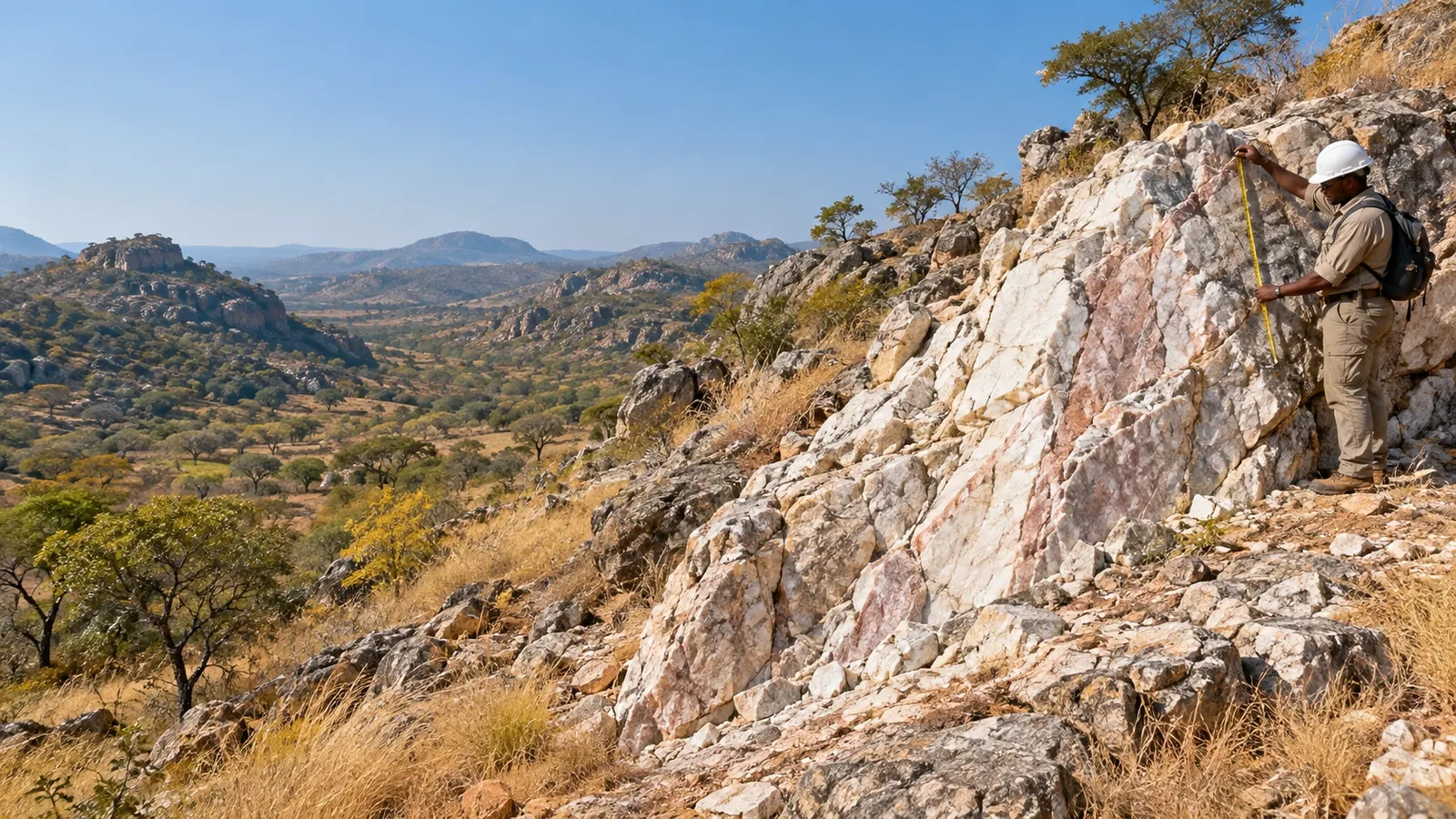
A well-photographed site visit can create an impression of diligence without resolving anything material. Before travelling, an investor or partner should define which uncertainties require physical observation and which could be addressed more effectively through documents or specialist review.
Choose observable questions
The visit should focus on matters that can genuinely be examined on site: access, existing infrastructure, the condition of relevant facilities or the organisation of records. Other questions may require laboratory work, legal review or detailed engineering. Recognising this boundary helps participants avoid treating a positive general impression as evidence for conclusions the visit was never equipped to establish.
Request useful preparation
A clear agenda allows the host to arrange appropriate personnel, access and information. Surprise requests can produce incomplete answers even at a well-organised operation. Preparation should not turn the visit into a staged performance; it should make the time available useful. The visitor needs enough context to distinguish routine conditions from an exceptional demonstration arranged for the occasion.
Record observations separately
Notes should distinguish what was observed, what was explained by the host and what remains to be verified elsewhere. Photographs need context and permission where relevant. This preserves the value of the visit when findings are later discussed with colleagues who were absent and may otherwise read more into a single image than it can support.
Convert travel into decisions
The visit should end with identified follow-up actions and a clearer view of the original questions. An impressive itinerary is not itself a commercial milestone. For ALFA ecosystem readers, the useful standard is whether the visit improves the evidence available for a decision. That is a stronger return on time and expense than simply adding another photograph to a transaction presentation.