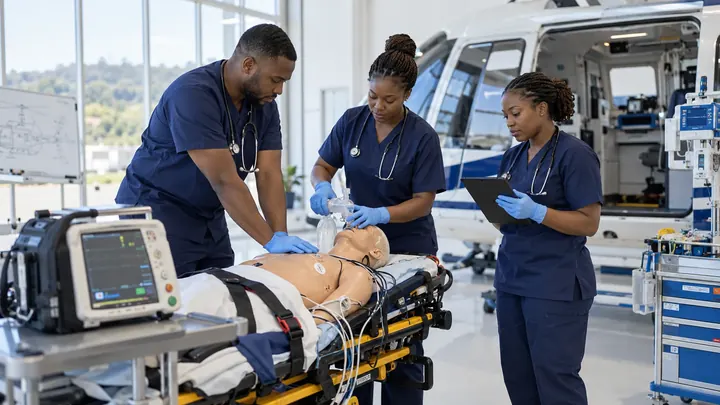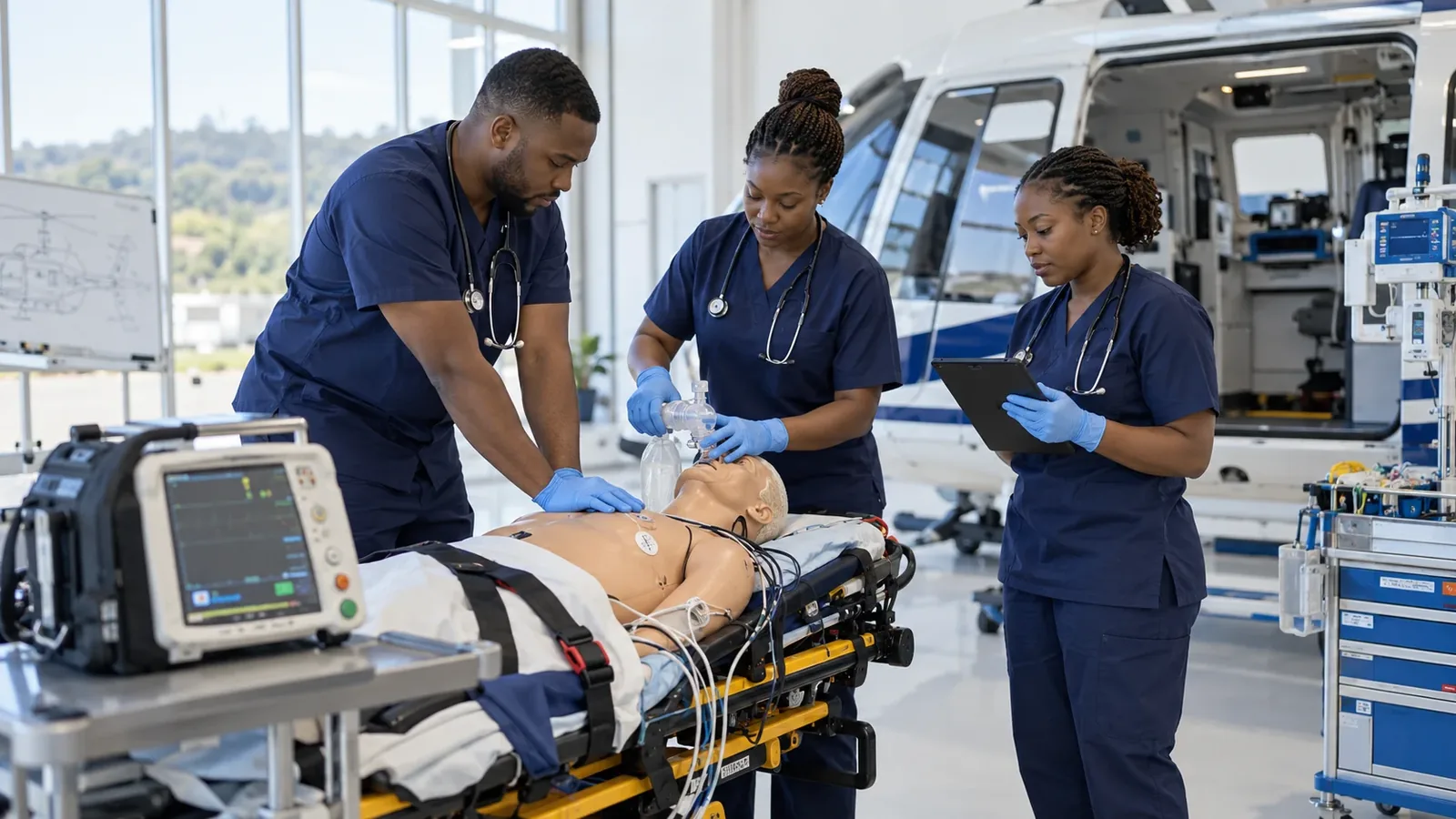
A medical-equipment demonstration often takes place under carefully prepared conditions with knowledgeable supplier staff nearby. That can help a hospital understand the product, but it is only one part of evaluation. The institution still needs an appropriate assessment of how the equipment fits its own requirements, workforce and supporting infrastructure before making a purchasing commitment.
Questions defined in advance
The team should identify what it wants to learn from the demonstration. Different participants may be assessing usability, support or integration, with qualified professionals responsible for clinical and technical judgement. A shared brief keeps attention on the institution's needs and reduces the chance that attractive features dominate the discussion simply because they are easiest to show.
The local operating context
Space, utilities and information systems can influence implementation. The evaluation should recognise those dependencies rather than assume performance in a demonstration setting will transfer without additional work. Supplier claims require appropriate review, and unresolved questions should remain visible until the responsible team has sufficient evidence to assess them for the intended use.
Commercial completeness
Training, maintenance and recurring purchases can change the total commitment. Those elements should be discussed alongside acquisition price. A demonstration may create enthusiasm before the ongoing support model is understood, so procurement needs a disciplined route from initial interest to a complete offer that the institution can compare with relevant alternatives on a consistent basis.
A decision supported by evidence
The outcome can include further assessment or a conclusion that the product is unsuitable. Both are useful. Investors should look for a process that separates product appeal from institutional readiness, allowing the hospital to adopt equipment through a reasoned decision with appropriate professional oversight rather than treat a successful presentation as proof of a complete operating solution.