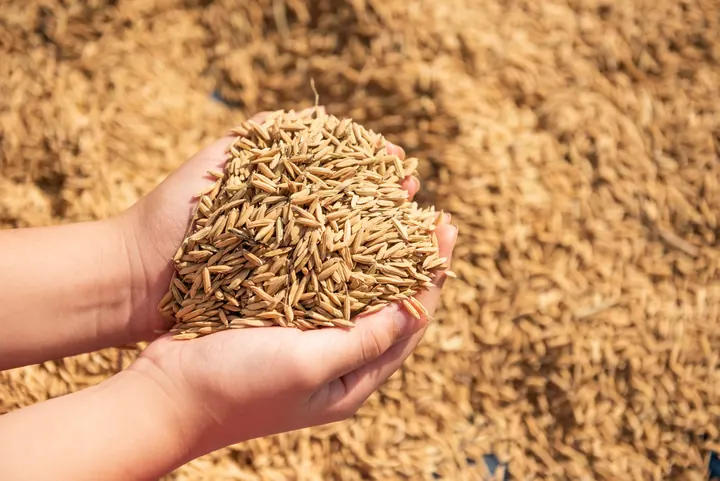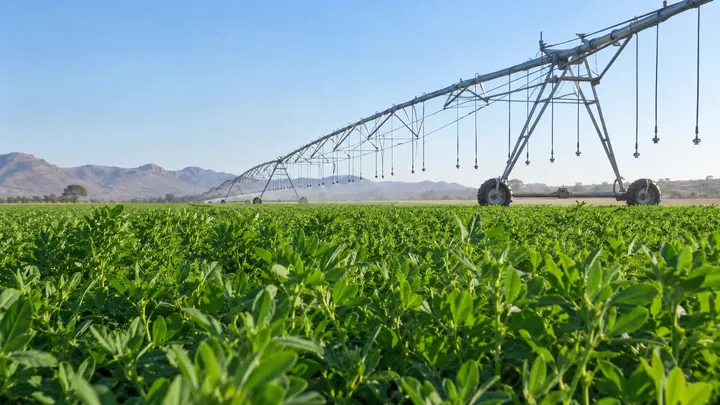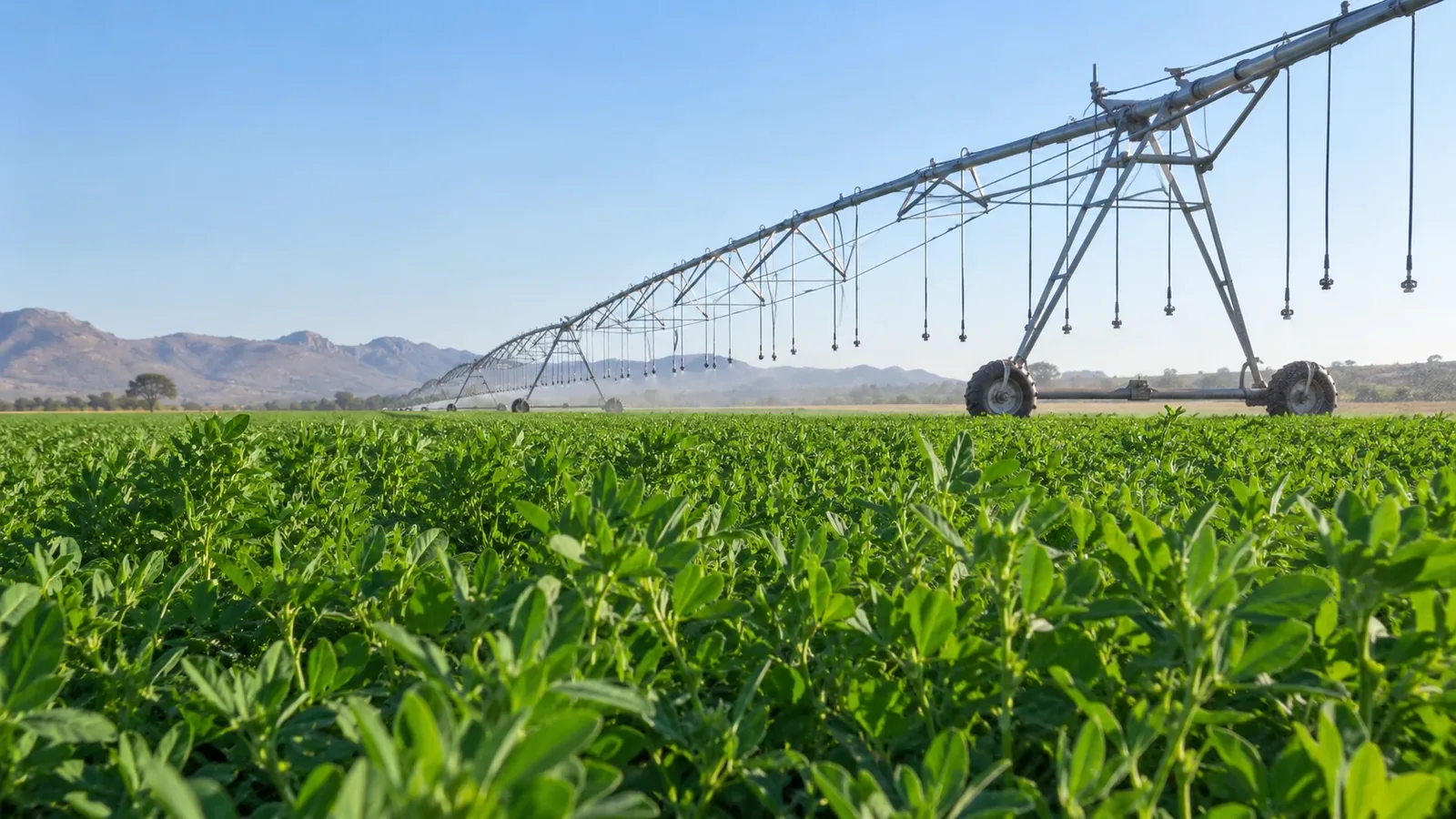
A striking agricultural photograph can explain scale or setting immediately. It cannot, by itself, establish ownership, completion or the commercial status of the activity shown. Pairing the image with a date, location and clear description turns visual material into a more useful part of a project's evidence.
The scene and the claim
A field image may show land condition, while a machinery image may show delivery or installation. Describe what is actually visible and connect any wider claim to supporting records. This keeps the visual story attractive without asking a photograph to prove facts that depend on contracts, inspection results or operating reports outside the frame.
A sequence over time
Repeat views from an identifiable location can make progress easier to understand. The value comes from consistency and context, not simply from publishing more images. A sequence can show how the site changed, while accompanying records explain which activity was completed and which responsibilities remain with contractors or the operating team.
Permission and relevance
Use images the business is entitled to publish and consider the people or commercial information they contain. A useful investor photograph should support the decision being discussed. Filling a project room with unrelated visuals can make the evidence harder to navigate, even when every individual image is attractive or professionally produced.
Visual confidence
For ALFA's agricultural ecosystem, cinematic presentation and careful evidence can work together. The strongest page makes it easy to move from the image to the underlying project information. That gives partners a clear view of place and progress, while preserving a professional distinction between the visual impression of an asset and the documented facts needed to assess its status.