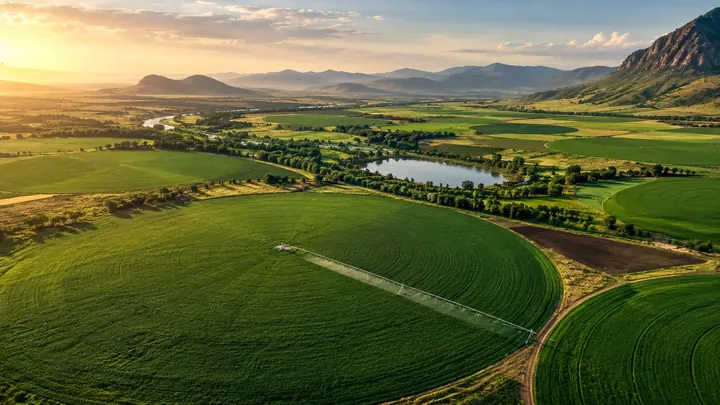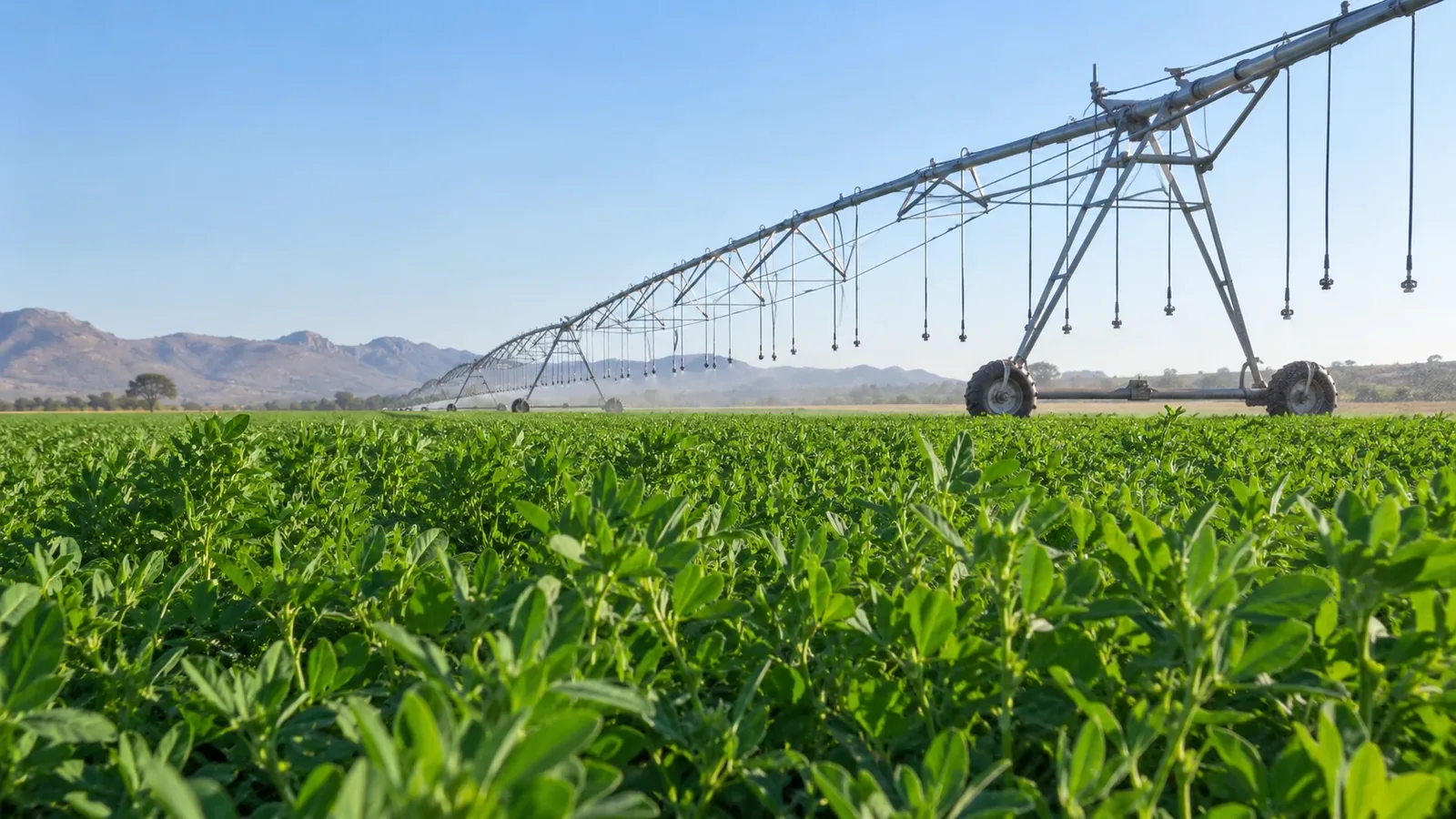
A shared channel connects farms physically before it connects them organisationally. Each user may plan a crop around water arriving, while assuming someone else will clear an obstruction or coordinate maintenance. The weakness becomes visible when one interruption affects several fields and no one has authority to arrange the response.
Map the shared dependency
Identify the users, the sections they depend on and the points where responsibility changes. This is an operational exercise alongside the necessary local rights and permissions. A clear map helps the parties discuss the actual system rather than relying on broad statements that everyone has always used the same route.
Agree the work calendar
Maintenance can conflict with crop needs, so timing requires a conversation before equipment is booked. The parties need notice, a contact for changing conditions and a way to confirm when service resumes. A calendar is useful only if users understand which activities affect them and can raise practical conflicts in time.
Make contributions understandable
Shared work may require money, labour or access. Explain how the contribution relates to the task and how completion will be recorded. The arrangement should not depend entirely on one person's ability to collect informal promises, particularly when farms change managers or a new user joins the system during a busy season.
Preserve the relationship
The value of coordination appears in ordinary reliability, not just in resolving a crisis. A brief review after maintenance can identify what worked and what needs adjustment. For a platform linking productive land with infrastructure, the shared channel illustrates a wider principle: an asset's usefulness depends partly on agreements with people whose operations sit beyond the project boundary.