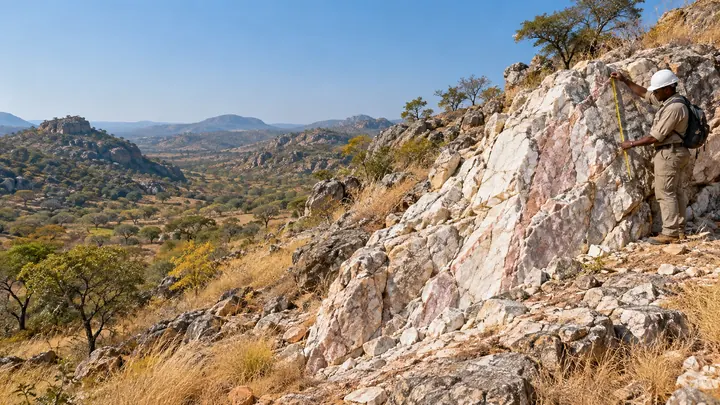
A geological model describes shapes in space. Turning those shapes into tonnes requires a density assumption, and that assumption can materially affect subsequent calculations. An investor assessing a technical estimate should ask how density was measured, where the samples came from and whether the results represent the different materials within the model.
Build the sampling map first
The owner should identify the geological, weathering and physical characteristics that could influence density. Measurements concentrated in strong, easily handled core may leave other material poorly represented. A sample register should connect each result to location, method and condition. CIM's estimation guidance treats bulk-density information as part of the underlying technical database. The practical implication is to plan density work alongside geological logging, rather than wait until a modeller requests a single number. The programme should be capable of identifying meaningful differences, with suitable technical supervision.
Understand what the method measures
Density results depend on the material and on how measurements are performed. Moisture, porosity and sample condition can matter. The laboratory or field procedure should therefore be documented sufficiently for a reviewer to understand its suitability and limitations. A hypothetical project that mixes dry competent rock measurements with assumptions for porous weathered material should explain that distinction. The issue is comparability, rather than which method sounds most sophisticated. Quality checks should examine repeatability and whether handling changes the characteristic the measurement is intended to capture.
Assign values to domains deliberately
A density average may be appropriate in one domain and misleading across several. The geological team should explain how measurements support the values assigned within the model, including areas where evidence is limited. Sensitivity work can show whether unresolved assumptions are material to the estimated quantities. Such analysis should preserve the difference between a measured distribution and a provisional modelling value. JORC's emphasis on transparent assumptions gives investors a reason to request this explanation without pretending that a journal article can validate the estimate or determine an appropriate reporting classification.
Make updates traceable
Later drilling may broaden the evidence or identify a domain with different characteristics. The model team should record what changed in the density inputs and how much of a quantity revision arises from that change. Combining density, geological boundaries and new assays into an unexplained headline movement prevents readers from understanding progress. Owners gain a stronger technical record when these contributions remain separate. Investors gain a clearer view of the uncertainty that further sampling could resolve. A dependable tonnage statement begins with more than a convincing shape: it needs a defensible account of the mass represented inside it.