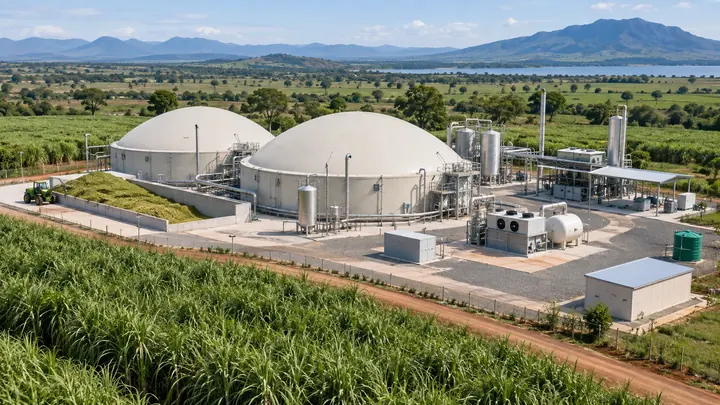
A map covered in agricultural activity can suggest abundant fuel. A biomass processor needs a narrower answer: how much suitable material can be delivered on its schedule, under workable agreements, at a known cost? The IEA identifies collection radius, feedstock quality and local infrastructure among the factors shaping biogas economics. The same delivered-cost discipline is useful when reviewing pellet and other biomass supply proposals.
Start with a location and a requirement
The supply study should define the plant's intended material, acceptable condition and intake calendar. A circular radius around a site is a useful first sketch, but roads, collection points and access conditions determine the practical route. Some areas may contain plenty of gross residue yet little material available to the proposed purchaser. A supplier register should record ownership, current uses and the basis for an estimate. A broad regional resource number should remain visibly separate from the amount that could be contracted and delivered.
Turn a field price into a gate price
The cost model needs collection, preparation, loading, transport, unloading and storage, including the equipment and people who perform each task. Quotes should use a common quantity and moisture basis. Otherwise, a low price per wet tonne can look attractive while buying little useful material. The model also needs a clear point at which responsibility changes. A supplier offering material in the field is making a different promise from one delivering accepted feedstock to the processor on a specified date.
The resulting supply curve should show the incremental cost of additional accepted material. That lets the team see when enlarging the plant would require a more expensive collection zone or different supplier group. Capacity can then be assessed against the cost of the next tonne, rather than the average of an attractive starting area.
Investigate the season of greatest pressure
Transport and collection resources may be needed by several agricultural businesses at once. A supply plan should test the concentrated period when material becomes available and the quieter period when a plant must draw from storage. It should identify whether a road or handling facility can serve the required movements under expected conditions. The team can then compare a larger collection area with alternatives such as different storage, smaller initial capacity or a revised site. Each choice changes capital needs and operating flexibility.
Use contracts to test the resource estimate
A credible supply case moves from mapped potential to identified suppliers, representative material and negotiated commitments. Contracts should specify quality, quantity, timing and the treatment of rejected deliveries. Concentration matters: a large supplier's withdrawal may have a different consequence from several smaller interruptions. For ALFA’s Hola and Tana River programmes, dependable feedstock remains a development requirement. The next useful disclosure is a tested delivered-cost range and the status of supply arrangements, with proposed hectares and theoretical resource potential kept separate from an operating procurement book.