The word residue can make an agricultural material sound unclaimed. A project team still needs to understand who controls it, how it is used today and what changes when it becomes fuel. The IEA's sustainable feedstock assessment considers material without direct competition with food or animal feed and without other adverse sustainability effects. That approach gives an energy development a more demanding starting point than a gross tonnage estimate.
Ask what currently happens to the material
The first supply survey should record whether material stays on the land, feeds animals, supports another business or requires disposal. Those uses may differ across farms and seasons. A new processor should not assume that a current absence of a purchase invoice means the material has no economic value. Suppliers may need compensation for collection work or for replacing an existing use. The project should make those costs visible before deciding that a residue stream is a cheap, dependable input.
Those conversations should be documented by supplier and season. A farmer may consider a material surplus after one harvest and essential for another use later in the year. Keeping that variation visible supports a supply estimate that reflects actual choices and obligations, rather than a permanent availability assumption applied to every field.
Create a physical allocation before a revenue model
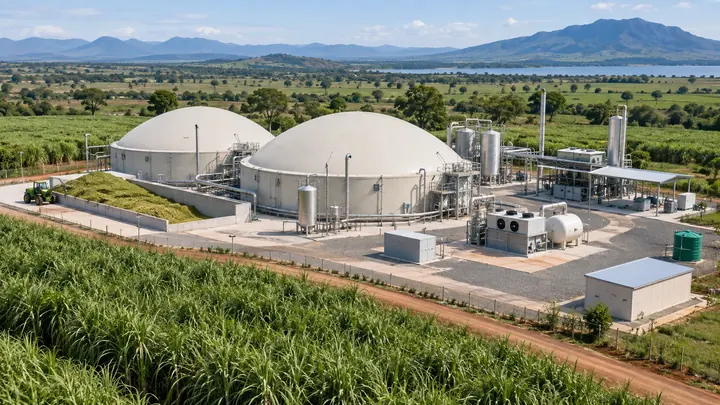
Where several product pathways are proposed, each tonne needs one initial destination in the mass balance. A project cannot simultaneously sell the same material as a pellet feedstock, allocate it to a digester and retain it for another purpose. Associated outputs require their own conversion assumptions and product definitions. For Hola’s pellet and biochar pathways, the published whitepaper already distinguishes those product streams. A working allocation would help engineers and commercial teams determine the infrastructure each stream actually needs.
Investigate the land and quality consequences
An appropriate local assessment should determine what can be collected sustainably and under which conditions. The answer cannot be inferred from a distant project's collection percentage. Material also needs testing for the intended technology and customer requirement; contamination or an unsuitable condition can change its usable value. These are proposed diligence questions, rather than a technical prescription for removing a particular amount from a field. Agronomic and environmental work should inform the available supply before the industrial model treats it as committed capacity.
Keep additional benefits on their own evidence
Digestate, biochar and carbon-related opportunities may each have a role, but they require separate quality, market and verification work. A prospective buyer or carbon methodology should not be presumed from the name of the product. The main energy case should remain understandable without counting the same benefit more than once. Across ALFA's agricultural energy pathways, no issued credits or verified emissions savings are established here. The next responsible step is a documented material allocation and a tested core market, with associated opportunities developed through their own evidence and agreements.