A project may have interested buyers and still lack an executable sales plan. Agricultural output changes with season, variety and handling, while customers purchase against specifications and delivery needs. The useful offtake question is precise: which party will accept which product, at what location, under what pricing and payment terms? Answering it makes the production programme easier to finance and operate.
Begin with the product definition
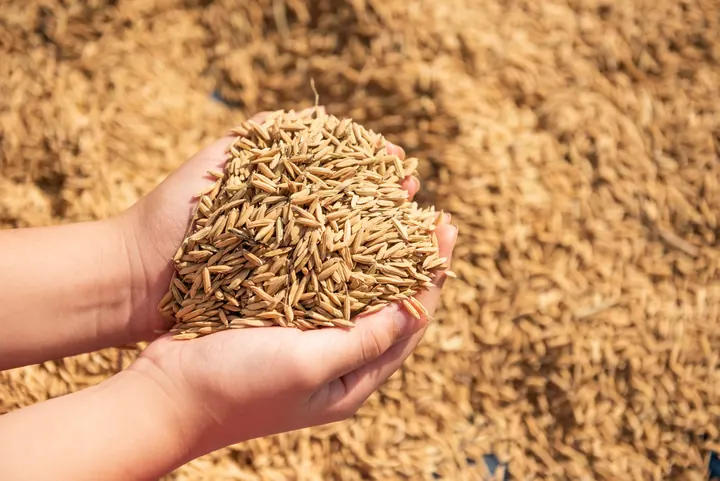
A rice buyer may distinguish grain characteristics, grade, packaging and presentation. A lucerne customer will have its own acceptance requirements. The operating model should use the specification that the proposed customer will actually assess, with an agreed sampling method and clear treatment of borderline lots. A generic commodity description can conceal the cost of sorting, reprocessing or downgrading. The project team should record which attributes are guaranteed, which vary within a tolerance and which require further trials before commitments can be made.
Resolve price and volume together
A volume commitment without a workable price mechanism leaves the margin exposed. A quoted price without an achievable delivery obligation leaves utilisation uncertain. The commercial review should consider both in the same scenario, alongside currency, transport responsibility and the cost of packaging. Where a buyer can change orders or decline material, the model needs an alternative sales route. The editorial test is whether an adverse but plausible crop or price outcome can be handled using terms already contemplated, rather than requiring an entirely new business model.
The sales plan should also identify which costs can be recovered if a customer changes a specification after production has begun. Special packaging or a dedicated grade may have limited alternative outlets. Agreeing order confirmation and change procedures before the season gives both parties a clearer basis for planning their obligations.
Find the point at which responsibility changes
Delivery documents should identify where quantity and quality are assessed and who bears transport loss or delay. A sample accepted at the farm may differ from a consignment inspected after a long journey. The contract needs a method for resolving that disagreement, preserving evidence and dealing with goods while the matter is reviewed. Payment timing should align with those procedures. An operator should know whether a disputed portion holds up the whole invoice and how much cash remains committed while the issue is unresolved.
Turn an expression of interest into a milestone
Across ALFA's agriculture materials, forecast output does not establish a customer or a price. A useful progress sequence moves from market discussions to sampled product, negotiated terms and an executed arrangement with documented conditions. It should also identify concentration: a project depending on one buyer needs a credible response if that buyer reduces demand. Publishing the type and status of commercial commitments would tell readers more than presenting a collection of counterparties. It gives sponsors a practical checklist while leaving commercially sensitive pricing within the appropriate diligence process.