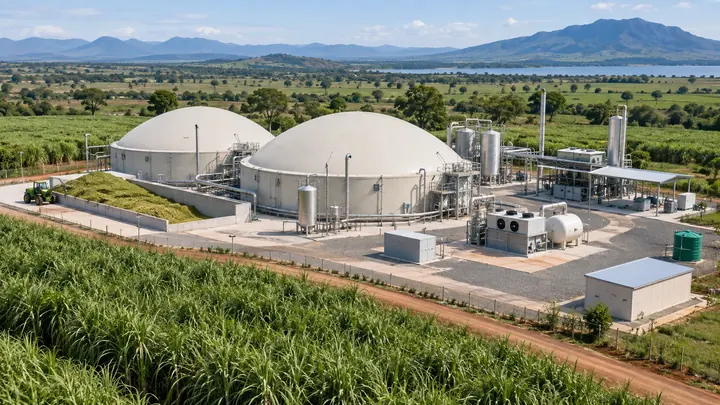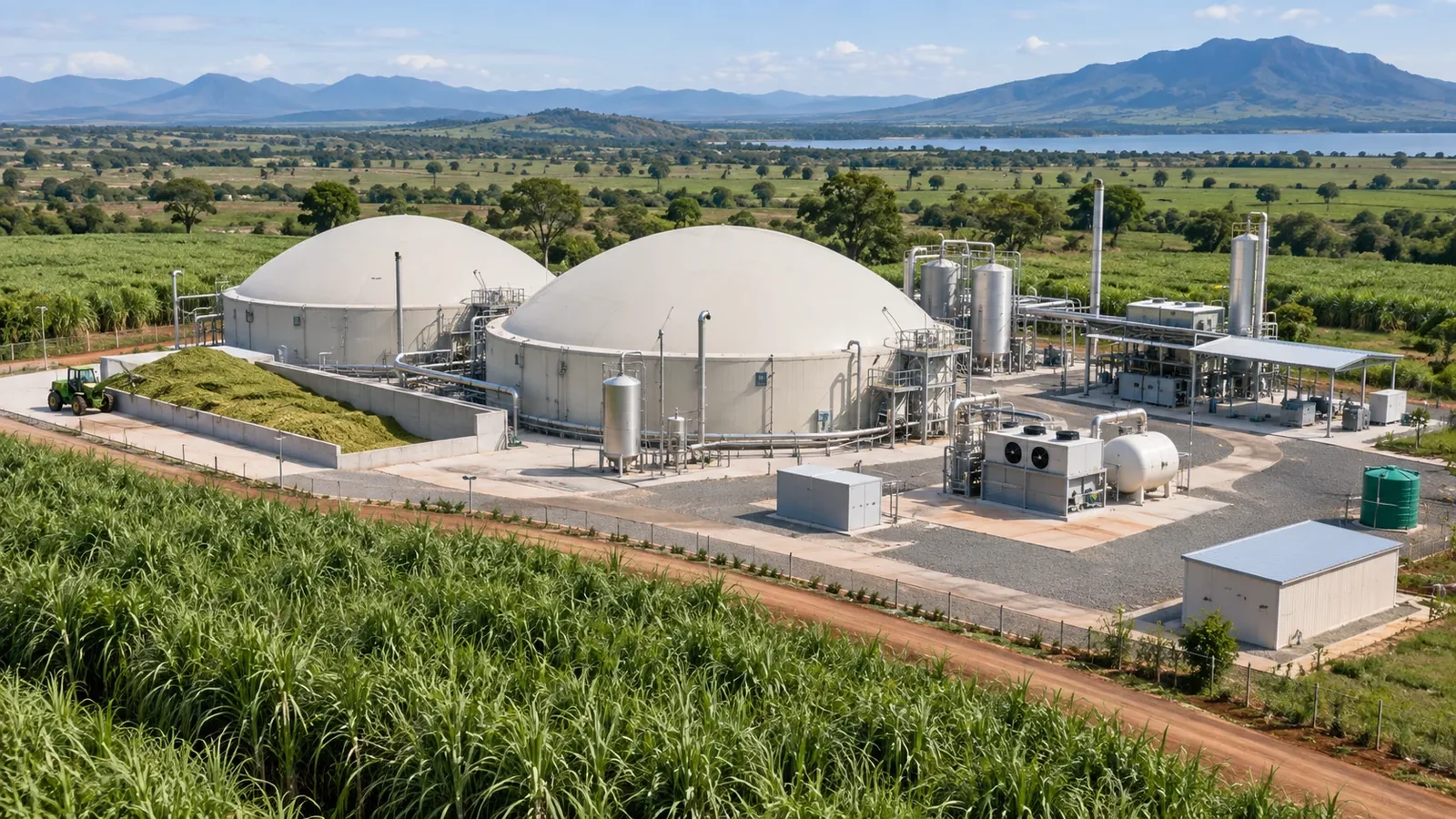
A biomass project can be renewable in its feedstock description while still requiring careful assessment of air emissions. Owners should examine the actual fuel and combustion arrangement, the evidence supporting expected performance and the obligations that apply locally. The commercial decision includes monitoring and control costs, rather than treating environmental performance as automatically established by the word biomass.
Use the actual operating basis
EPA's wood-residue combustion documentation explains why fuel and process assumptions matter when estimating emissions. Its information is a technical reference, not a site-specific approval or a universal emissions limit. In a hypothetical proposal, a supplier estimate based on one fuel condition should not be carried unchanged into a project planning a different material. The technical and environmental teams should use a reconciled basis, with qualified interpretation of the relevant requirements. Investors need to see which claims rely on measured data and which remain assumptions awaiting confirmation.
Procure the complete performance scope
The equipment specification should identify the proposed service and the supporting systems included, with competent design review. If monitoring, control or maintenance sits outside a supplier package, assign it elsewhere in the budget and responsibility schedule. A hypothetical low equipment quote may exclude work necessary for the intended operating arrangement. Compare alternatives against the same requirement instead of accepting the lowest initial price and leaving the environmental interface to be resolved after construction. DOE describes biomass combustion as one route to useful energy; that mechanism does not itself settle the appropriate installation.
Agree the evidence for acceptance
Qualified advisers should establish the suitable assessment, measurement and documentation for the actual site. The owner should know who performs the work, how conditions are represented and how exceptions are addressed. A favourable test under a narrow condition should retain its limits in later reporting. Its investment implication is that acceptance and continuing service require a clear basis, including the costs of maintaining the performance that the project model assumes when forecasting availability and customer deliveries.
Maintain the link after fuel changes
Review material changes in fuel or operation through the appropriate technical and regulatory processes. Retain versions of estimates, relevant tests and the reasoning behind decisions so future managers understand the current basis. Public claims should match substantiated scope and avoid implying that renewable sourcing eliminates every emission concern. Investors gain a more complete account when energy output and air-performance obligations are considered together. It keeps the project commercially reviewable through its actual operating conditions, rather than allowing a general environmental description to replace the evidence needed for a particular plant. The public report should identify the period and operating basis of any stated result, preventing one measured condition from becoming an indefinite performance promise.